
News & Articles
Results per page
25
3240 Articles Found | Selected Filters:


Industry NewsSeparations
Meet the SelectScience Team and Pick Up a Fantastic Gift at Pittcon 2017 Booth 5043
SelectScience is excited to announce that we will be attending Pittcon 2017, in Chicago, Illinois, USA
Editorial ArticleSeparations
Trends and Perspectives in Gas Chromatography
Gas chromatography challenges and solutions: learn from the experts

Editorial ArticleSeparations
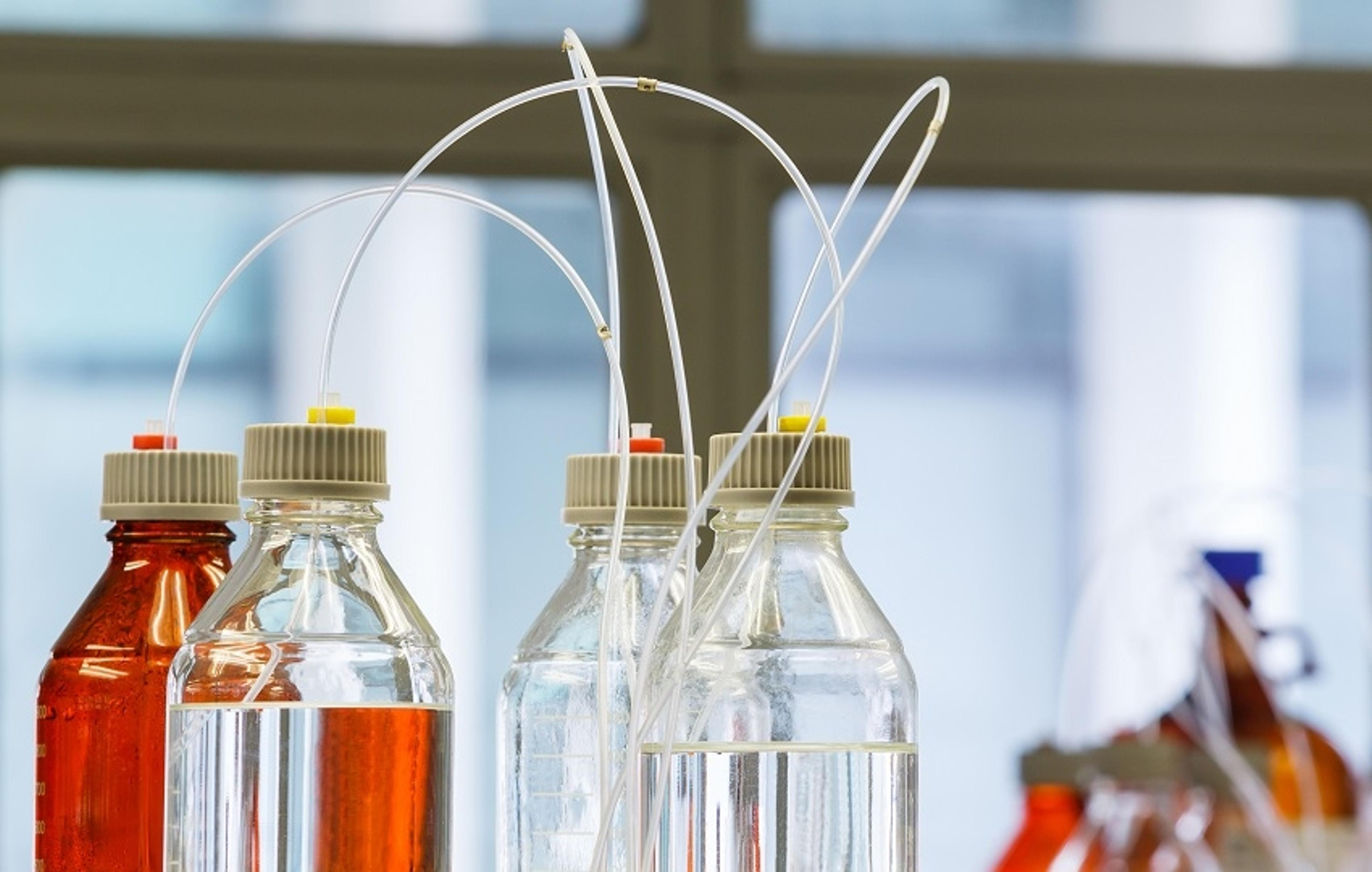
How to Optimize Your Reversed Phase Chromatography
Have you got a separations problem? Perhaps chromatography can solve it. All you need is the right method!
Expert InsightsSeparations
Webinar Highlights: Developing Analytical Chromatographic Methods for Pharmaceutical Storage Stability Investigations
Chromatographic method development factors, parameters and strategies
Product NewsSeparations
New Prep Kit Extracts DNA in 3 Minutes
Editorial ArticleSeparations
Comprehensive Extractables and Leachables Analysis for Drug Development
Find out how the Extractables and Leachables Service at LGC can help identify and solve problems with drug packaging and delivery
Product NewsSeparations
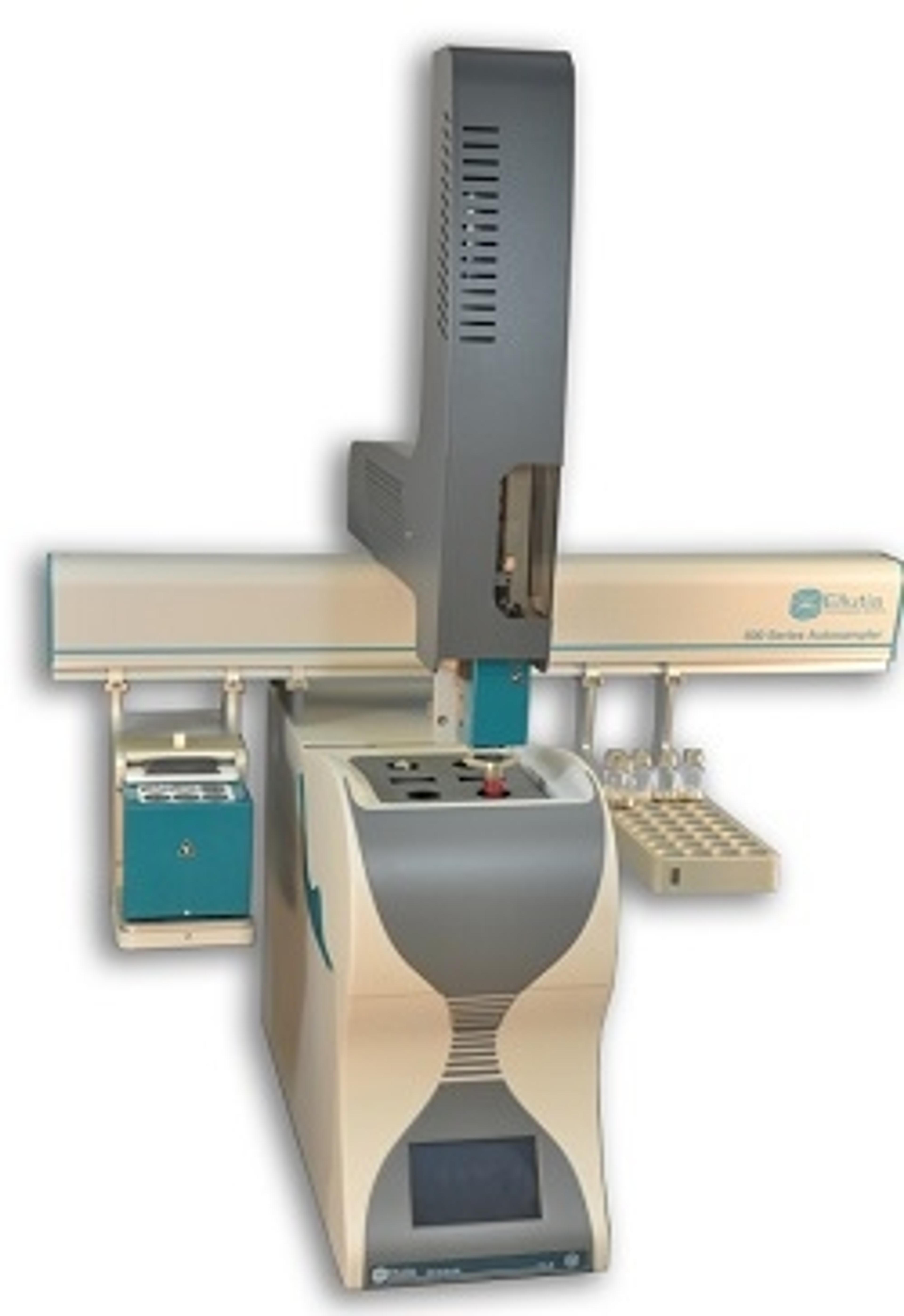
Ellutia Chromatography Solutions Launches 500 Series at Pittcon 2017
First instrument able to perform conventional, fast and ultra fast gas chromatography
Editorial ArticleSeparations
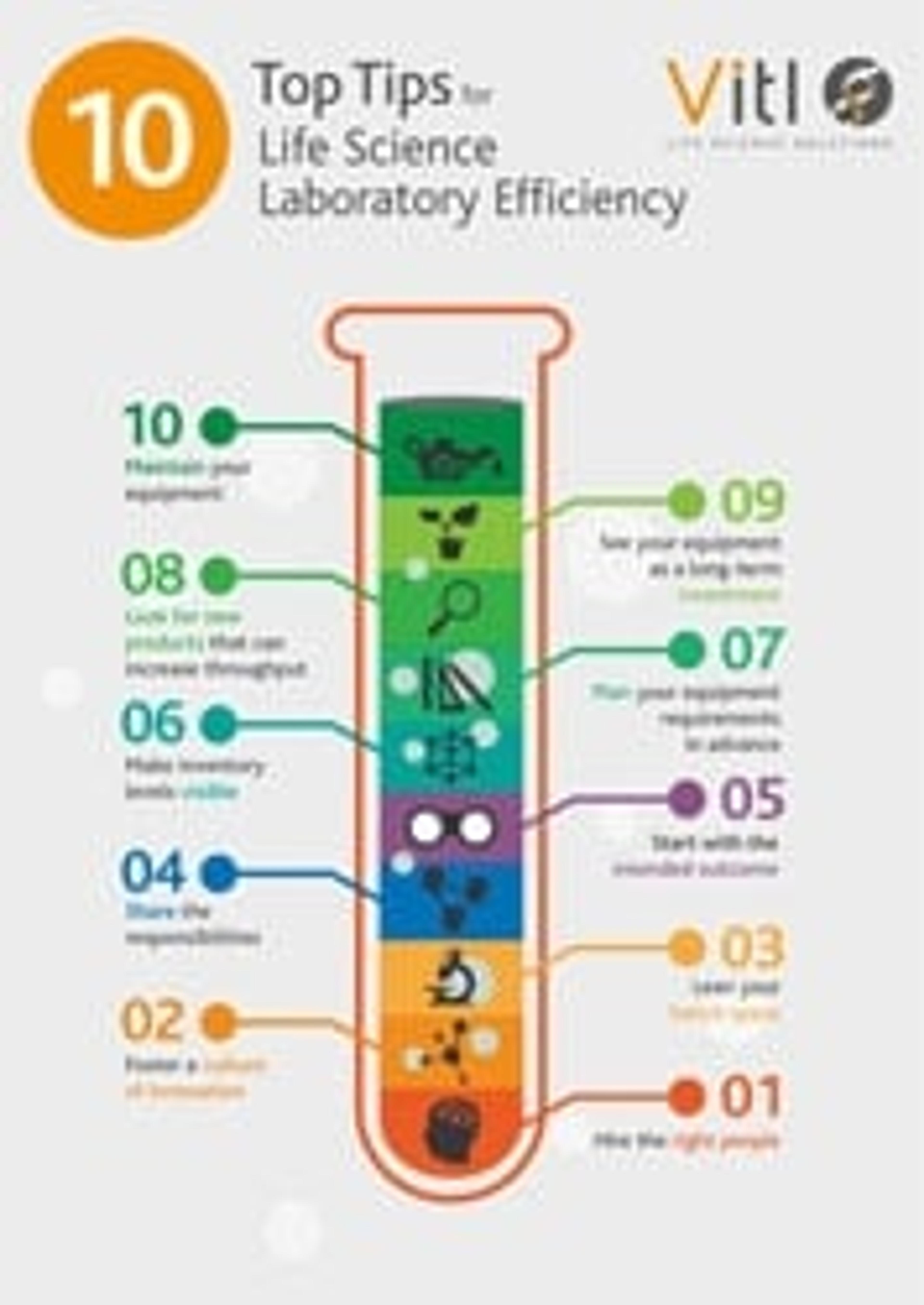
10 Top Tips for Life Science Laboratory Efficiency
Editorial ArticleSeparations
Advances in LC-MS Methods for Quantitation of Drugs and Biomarkers in Biological Matrices
Discover how LGC is overcoming the challenges of analyzing peptides with LC-MS
Editorial ArticleSeparations
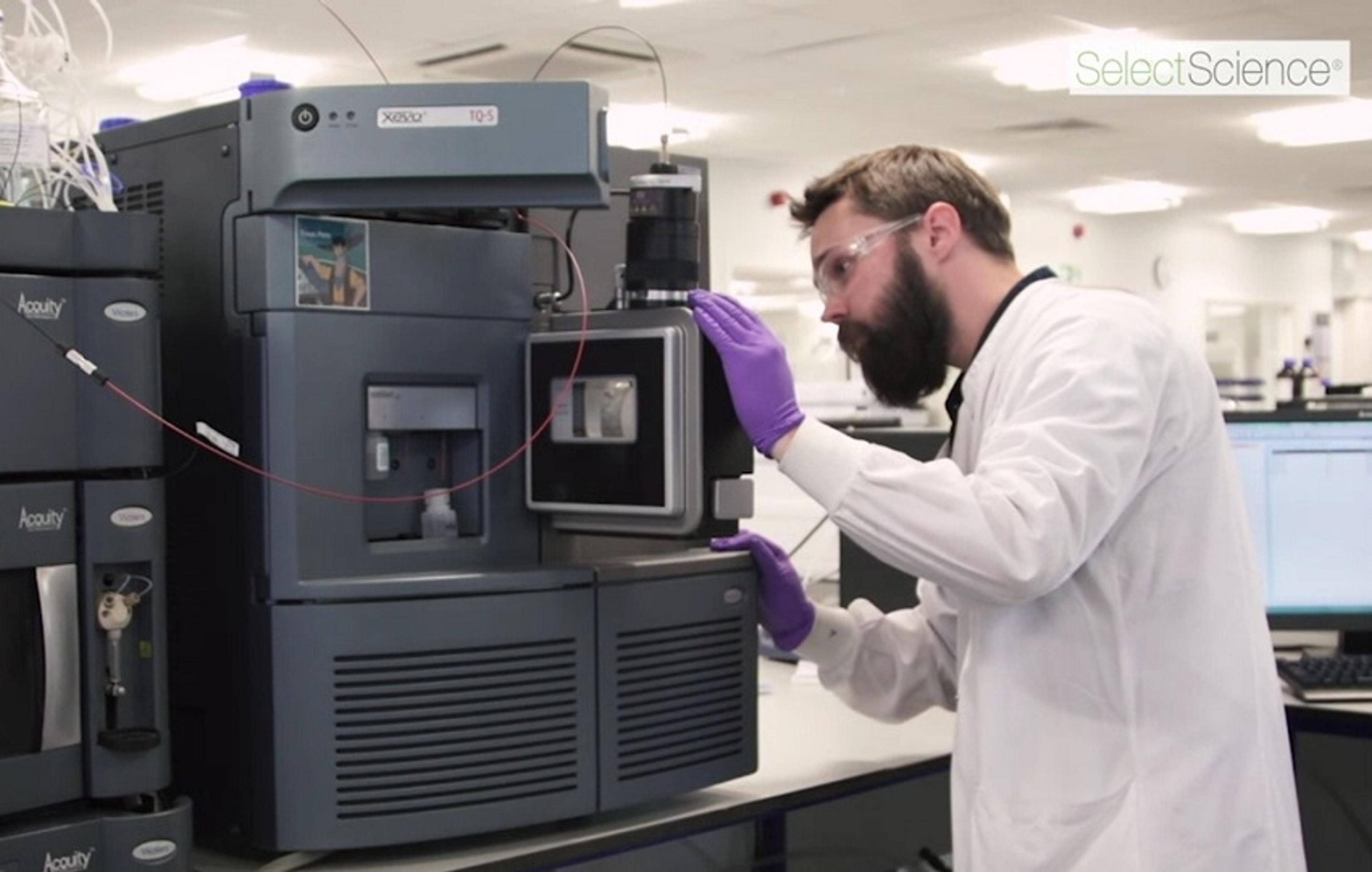
Using LC-MS Approaches to Improve on Traditional Bioanalysis Methods
Learn how the Bioanalysis Department at LGC is implementing LC-MS to improve services
Editorial ArticleSeparations
Top Science Trends for 2017


Editorial ArticleSeparations
Tackling the Threat of Lead Poisoning Posed by Game Meat
SelectScience interviews Senior Researcher, Katrin Löschner, on her recent research into lead nanoparticles
Editorial ArticleSeparations
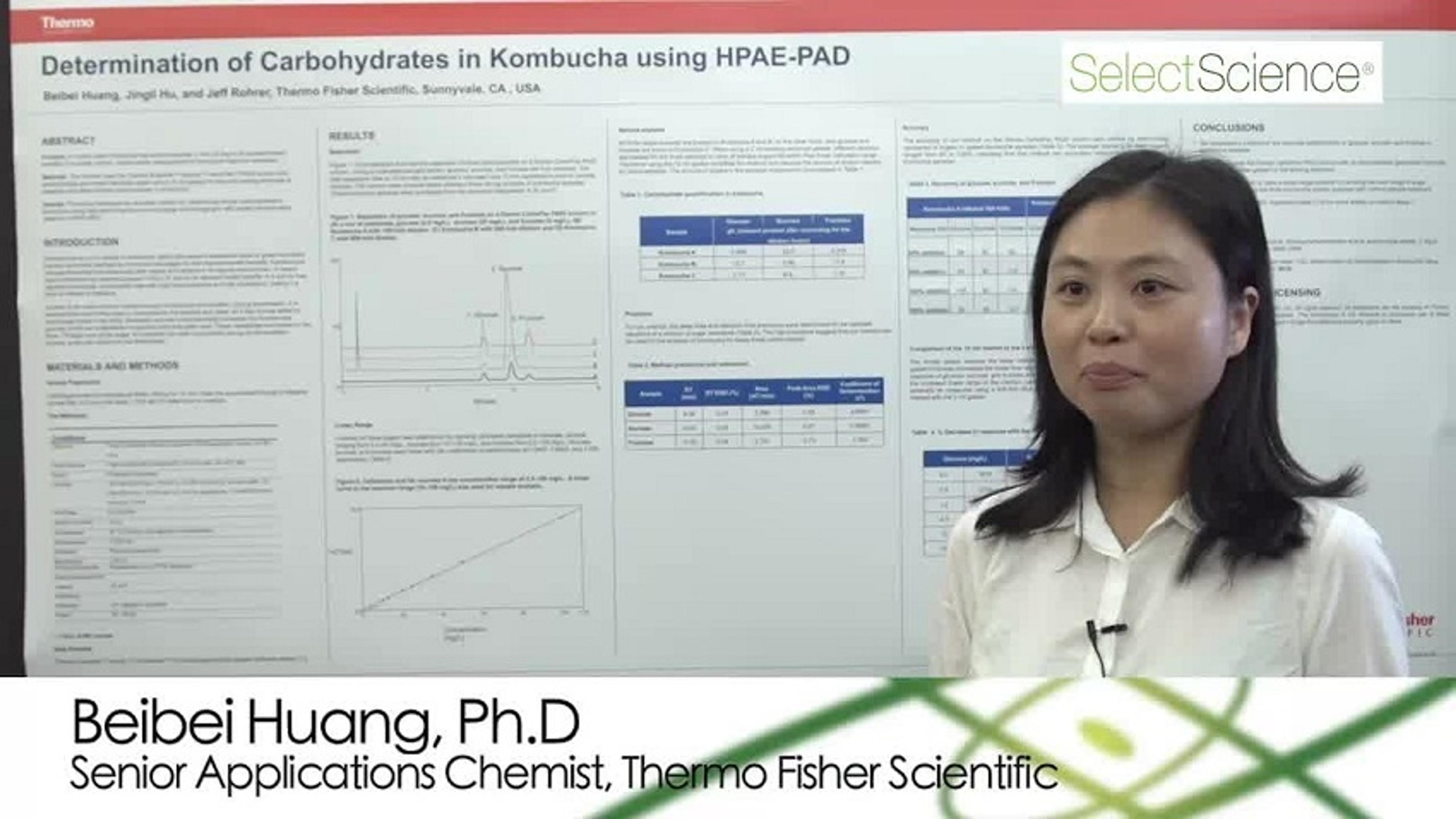
Evaluating the Differences in Kombucha Samples through Sugar Analysis
In a poster presentation from AOAC, discover a simple and accurate method for carbohydrate determination in Kombucha
Editorial ArticleSeparations
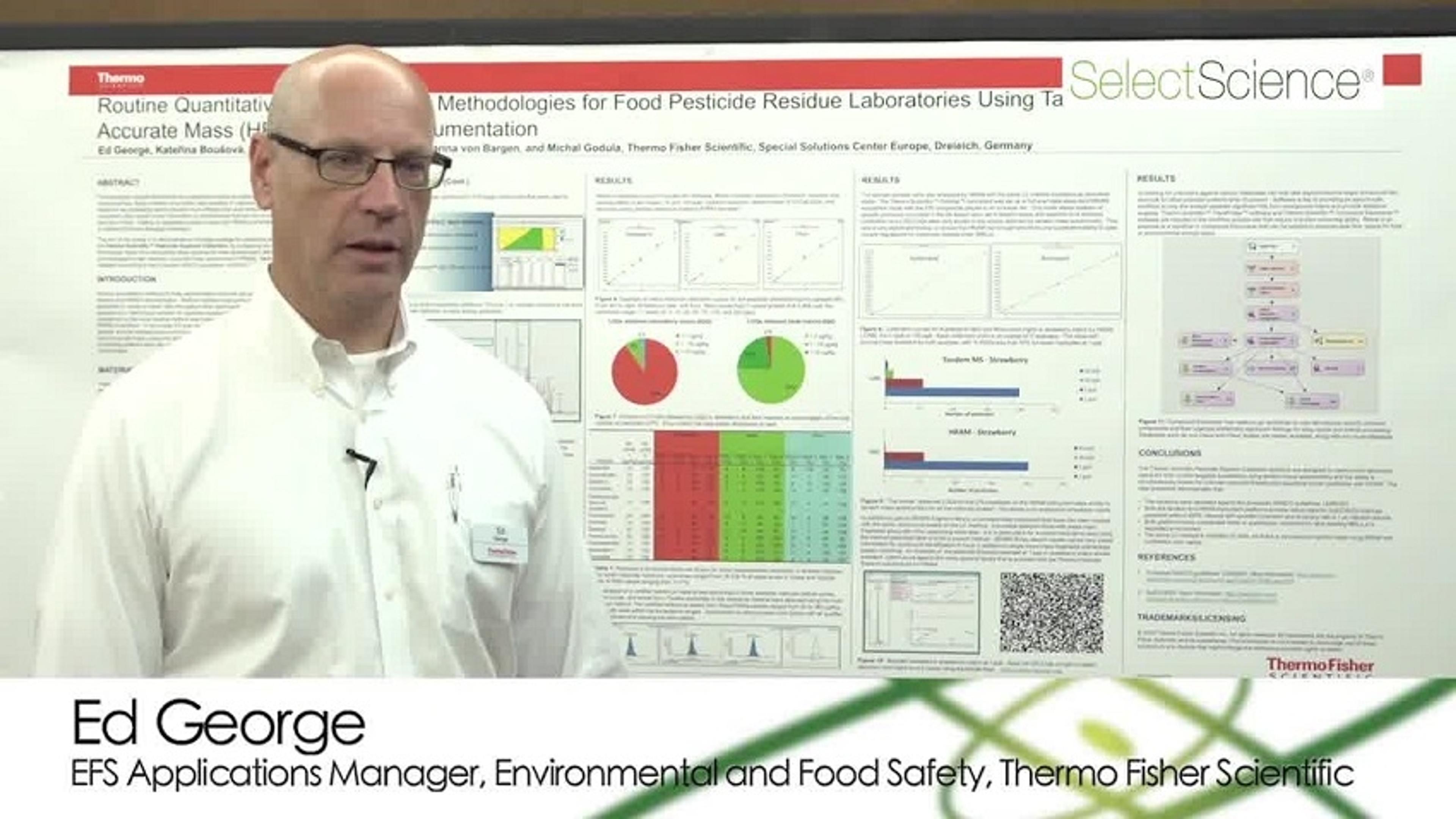
Complete Workflows for Pesticide Analysis
In a poster presentation from AOAC, learn how to obtain qualitative and quantitative pesticide analysis results in two simple workflows
Editorial ArticleSeparations
Scientists’ Choice Awards Nominations Open for Best New General Lab/Separations/Spectroscopy Product of 2016
Calling all scientists: Which new product, instrument or consumable made the most difference to your laboratory?


Expert InsightsSeparations
Webinar Highlights: Faster Aggregation Method Development with Cutting Edge LC Technology
Discover tips and tricks to optimize quantification of aggregates in biotherapeutic samples
Editorial ArticleSeparations
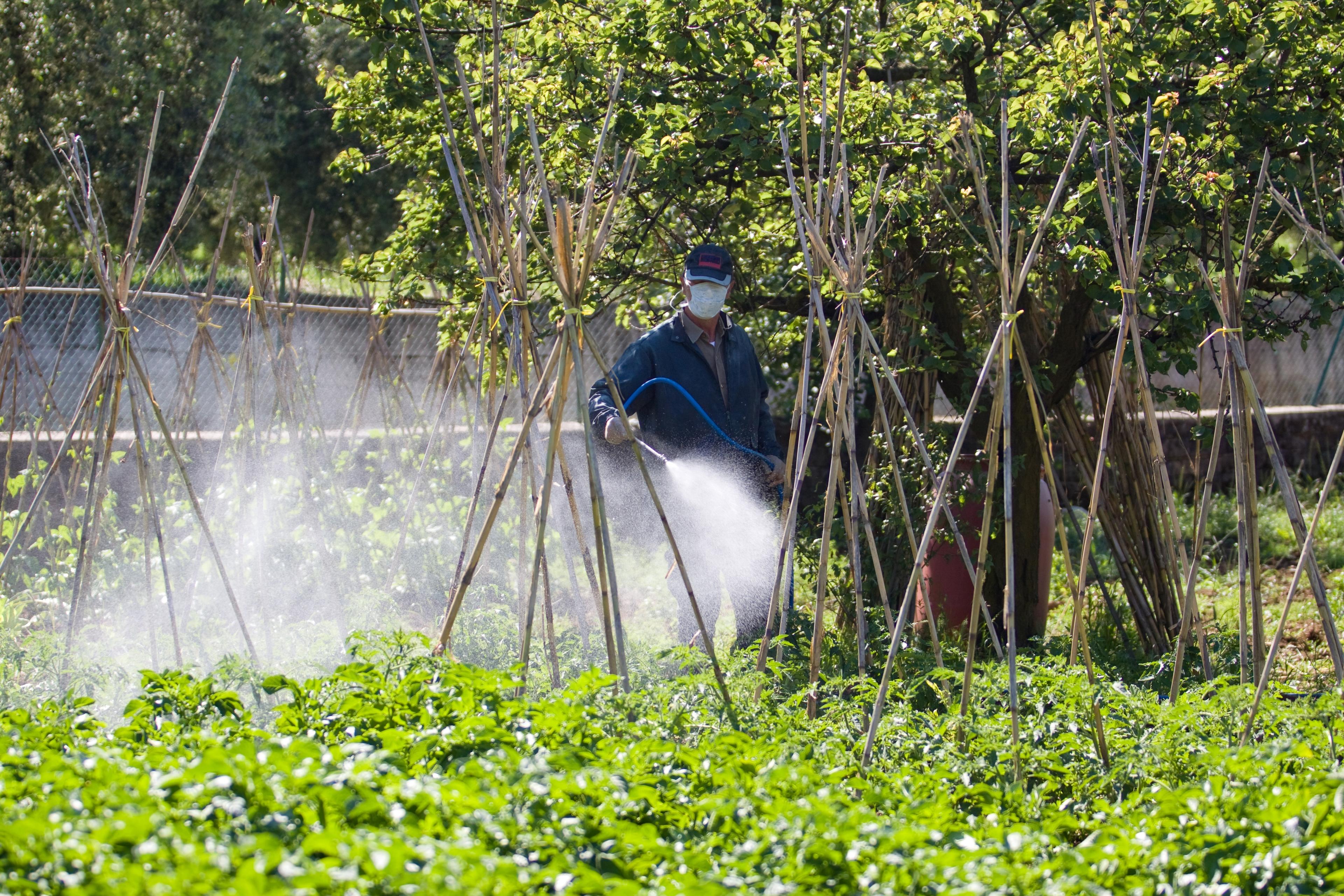
Highlights from the European Pesticide Residue Workshop 2016
Don’t miss our exclusive video presentations and interviews filmed at the EPRW 2016

Editorial ArticleSeparations
Refining Polar Ionic Pesticide Analysis Using the QuPPe Method
Stuart Adams, Fera Science Limited UK, discusses the use of IC to analyze polar pesticides at NACRW 2016.