Product NewsSeparations
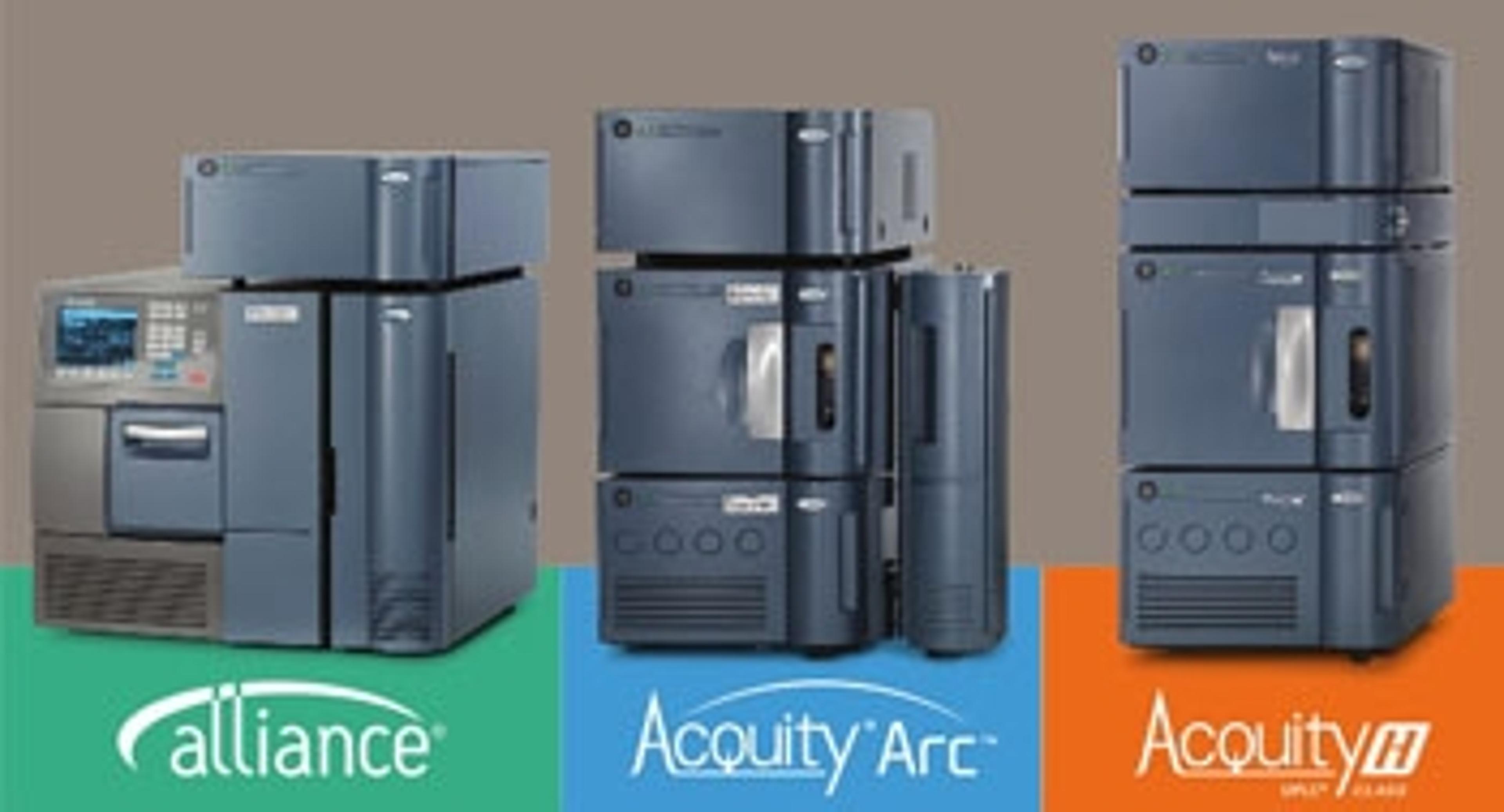
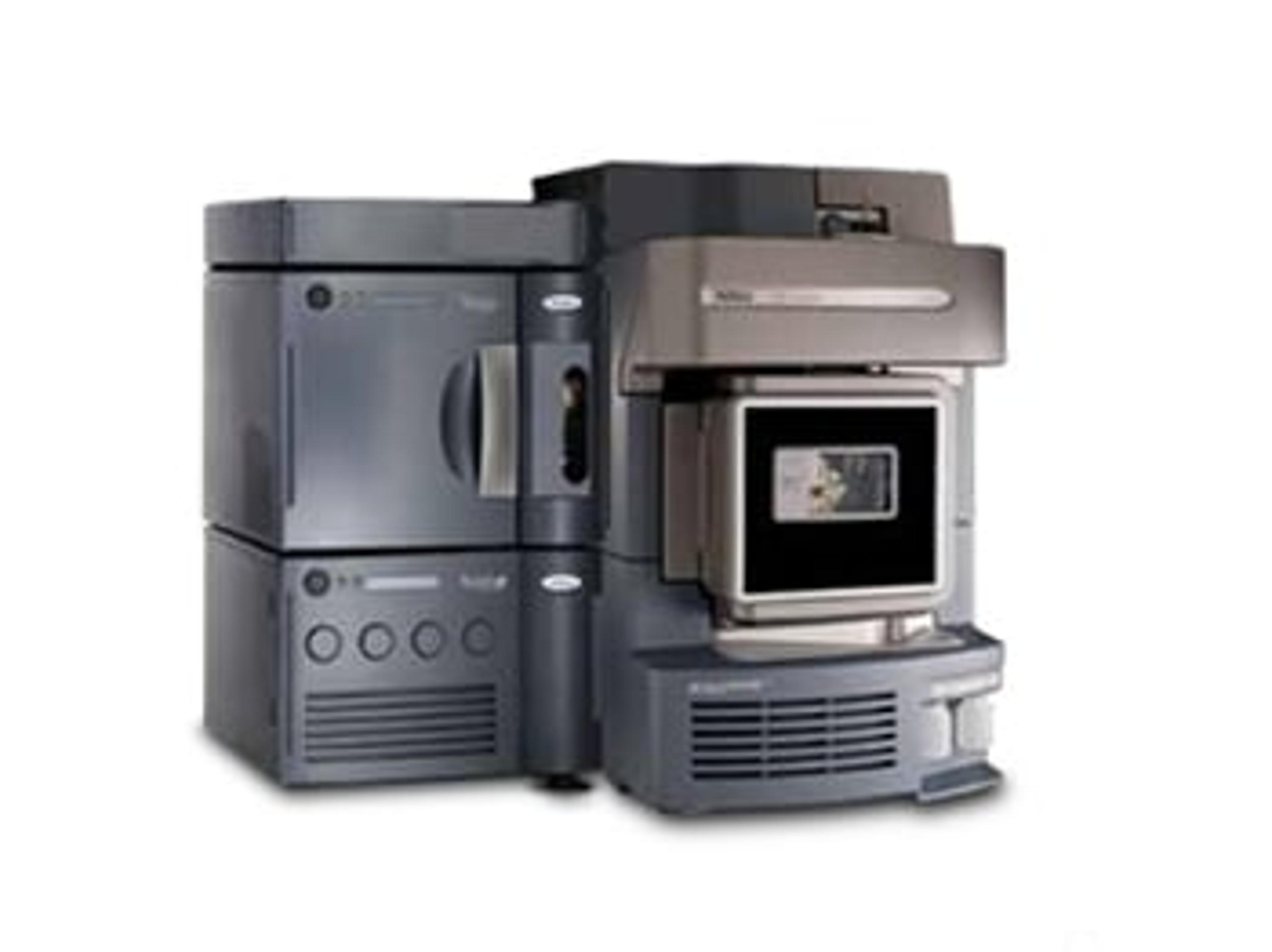
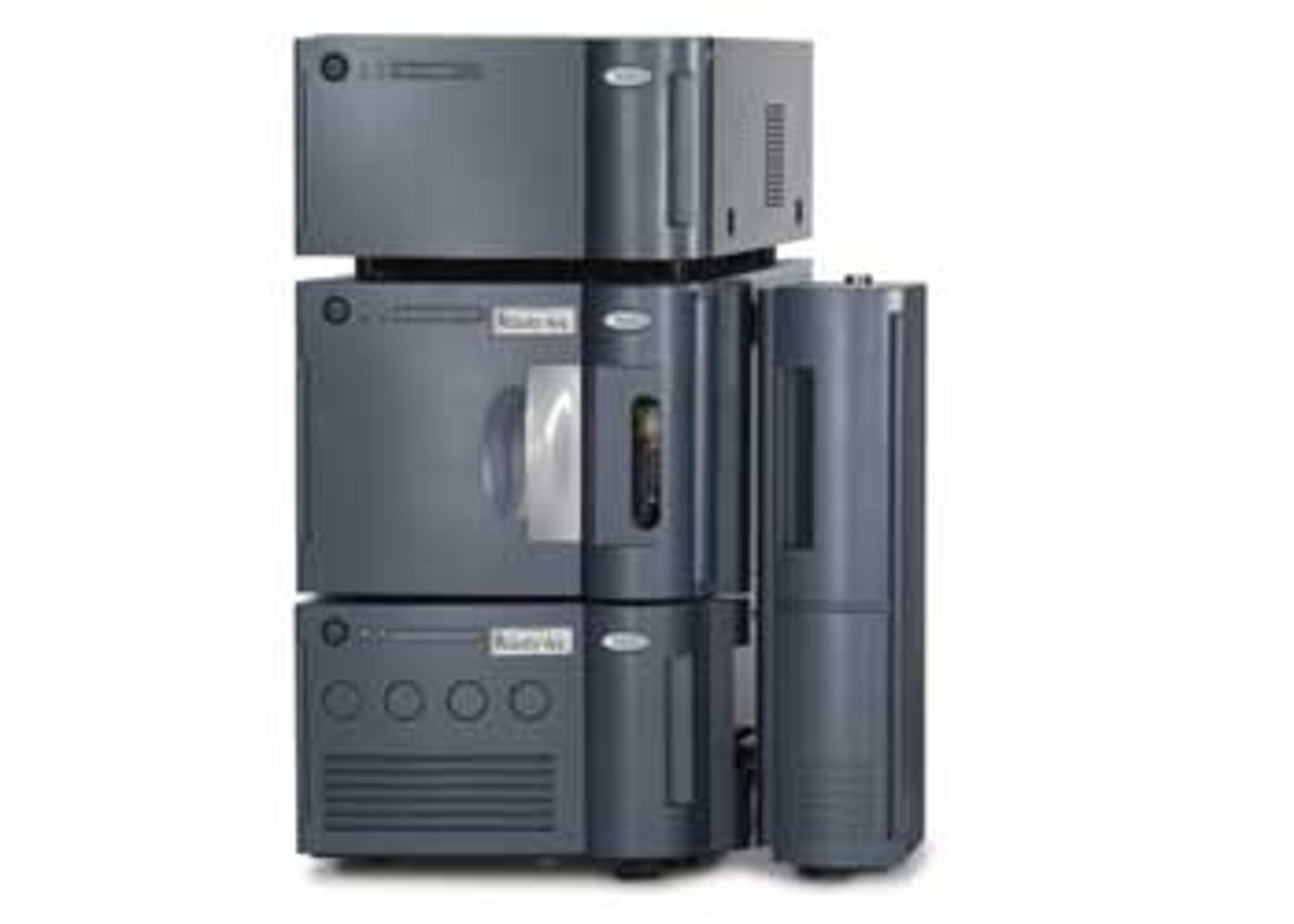
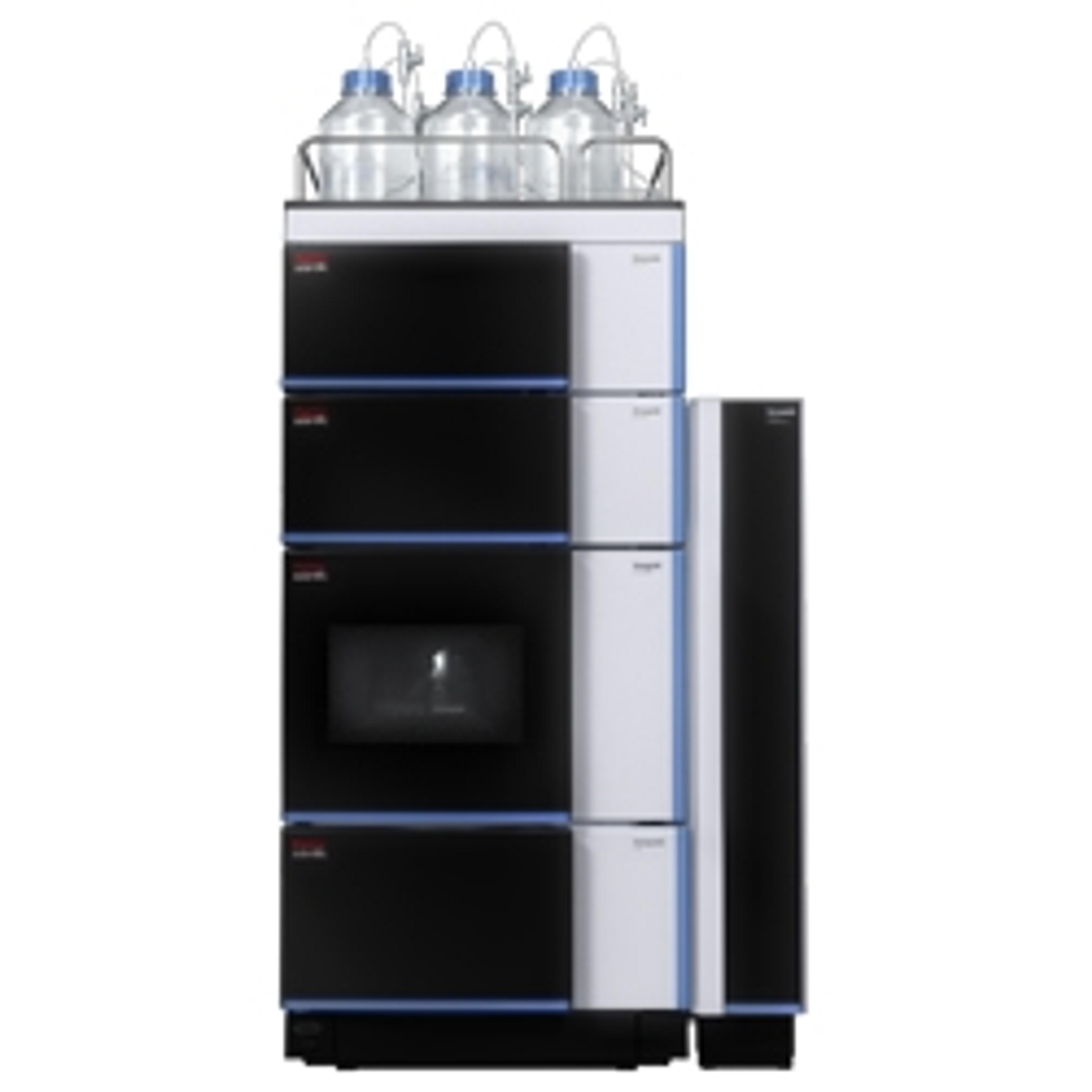
Advanced Ultra-High Performance Liquid Chromatography Systems Enhance Lab Productivity
New, easy-to-use analytical systems provide high-throughput comprehensive characterization and quantitation of small and large molecules

New, easy-to-use analytical systems provide high-throughput comprehensive characterization and quantitation of small and large molecules
In this article, we compare quaternary LC systems to help you choose the best for your analysis needs
Sign up now for this free webinar where you’ll learn an alternative to an otherwise laborious and time-consuming protocol
MilliporeSigma has developed a streamlined system that optimizes the critical steps of preparing cells and media
How research at the AMR Centre, UK, is accelerating the fight against antimicrobial resistance
In this editorial feature, we bring you the latest developments in gene editing and CRISPR technology
Learn from the latest research trends in this gene editing conference
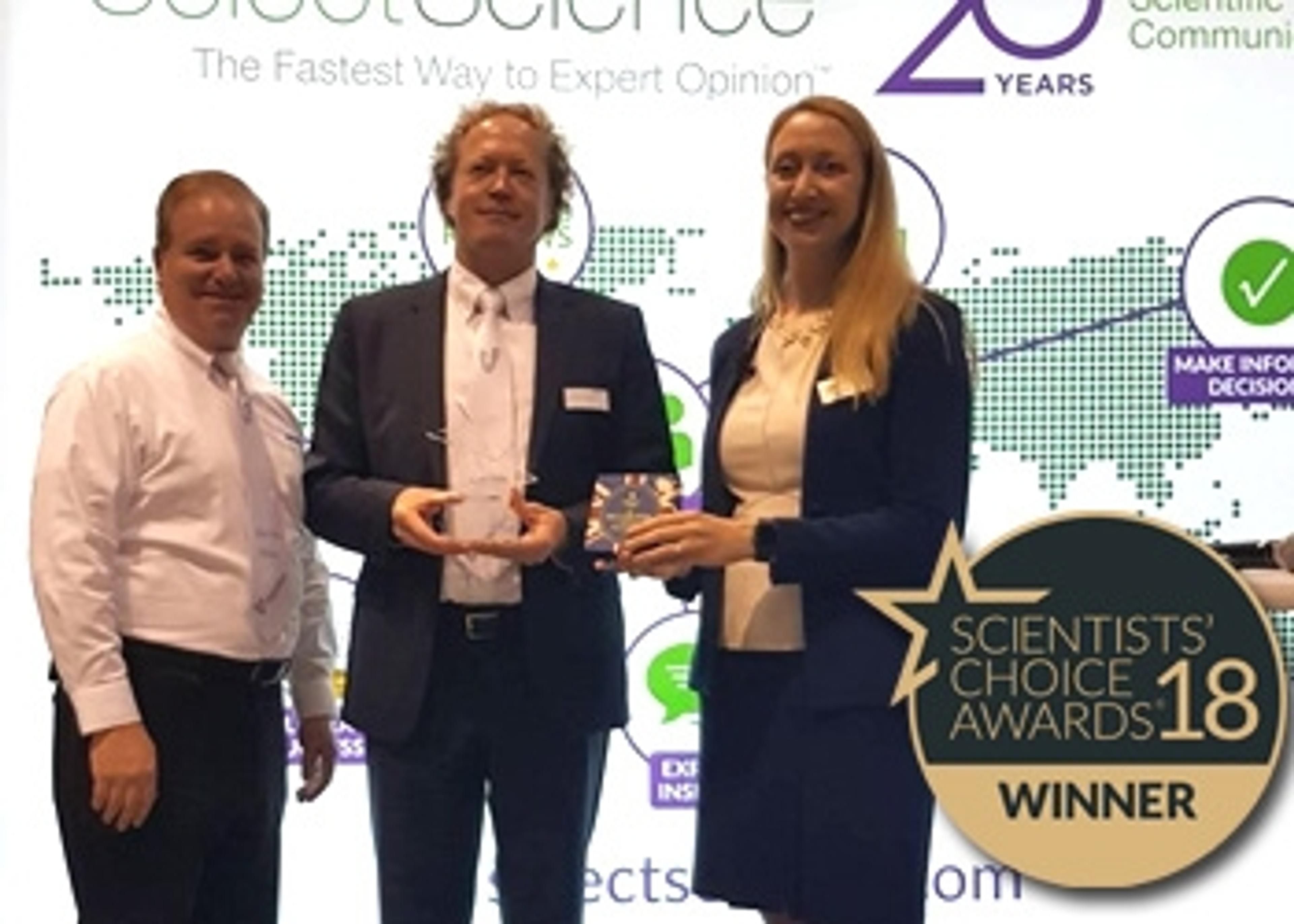
Prof. Josephine Bunch, Agilent, MilliporeSigma and Bruker among those recognized at SelectSciences special 20th Anniversary Party
Dr. Jaroslav Fulneček, CEITEC MU, tells SelectScience about a new high-throughput assay for analysis of DNA-protein interactions
Discover 10 wonderful webinars popular with scientists across the globe in 2017 — and watch them on demand
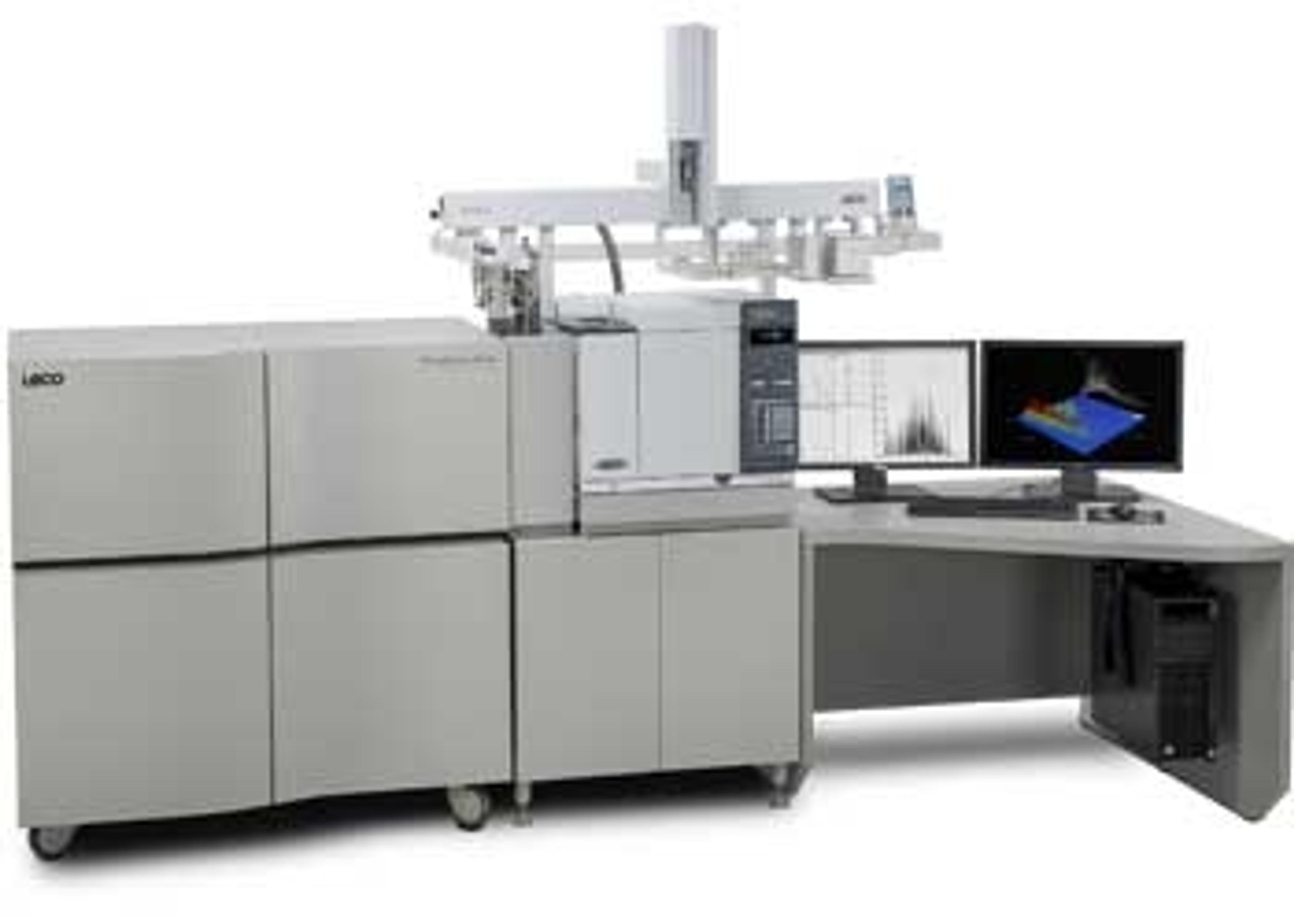
The Pegasus BT 4D to be showcased at Pittcon 2018 in Booth #2753
Read this exclusive interview with Louise Kenny, one of the founding directors of the INFANT Centre, to discover how they are using mass spectrometry to research preeclampsia and pre-term birth
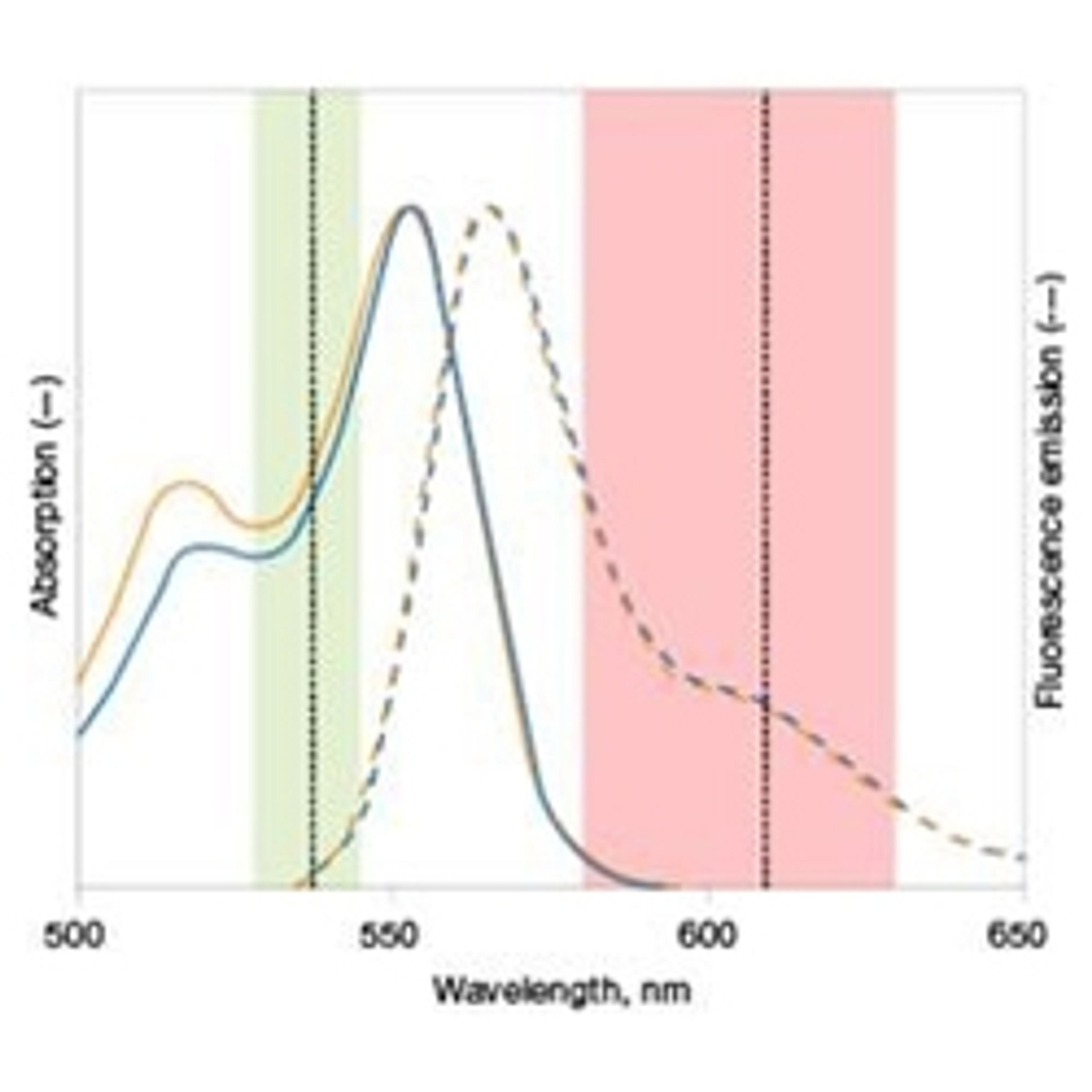
Bio-Rad shares its expertise to help perfect fluorescence-based protein detection and quantitation
Merger to increase access to unique reagents and recombinant antibody technology
CRISPR on-a-chip, digital PCR, and acoustic liquid handling steal the show at SLAS 2018
SelectScience proudly turns 20 this year, but rather than dwell on past glories, we’re looking forward – to the next two decades and all that science will achieve by 2040.
Polymer surface grafting of anti-bacterial copper nanoparticles could reduce spread of infections and viruses
An optimized, automated workflow enables continued growth of the clinical mass spectrometry service at this leading London Trust
Ultrasensitive Simoa technology to advance research into tumor-derived exosomes at the University of Pittsburgh Cancer Institute
Dr. Davy Guillarme, University of Geneva, presents a high throughput, high resolution RPLC method for efficient separations of proteins