
Where science meets sustainability: Driving human progress with greener alternatives
Discover how Merck KGaA, Darmstadt, Germany is helping to combine scientific innovation and environmental stewardship
15 Nov 2021
Efforts to reduce the environmental footprint of scientific research have gained significant momentum in recent years. Sustainability increasingly represents an essential goal for both researchers and manufacturers in the field of life sciences, and here, suppliers play a crucial role in enabling the advancement of scientific research while minimizing the environmental impact.
In this interview, we speak with Manfred Wachsmann, Head of Product Management Classical Reagents at Merck, about some of the measures Merck is taking to promote greener practices across its organization, and how it is positioned to support the environmental goals of its customers as a sustainability-driven supplier. Wachsmann also reveals how the company’s pioneering green chemistry evaluation system, DOZN™, is helping scientists and manufacturers find environmentally friendly and safer product alternatives for even the most demanding applications.
Aligning efforts with the UN Sustainable Development Goals
As a market leader in the field of life sciences, Merck is seeking to create long-term value through its core business practices while balancing environmental, social and governance aspects. “At Merck, our aim is to deliver solutions for our customers to foster human progress,” explains Wachsmann, adding, “To do this responsibly, we decided many years ago to put a focus on sustainability, and it is now an essential component of our Group strategy.” In so doing, the company has set itself three strategic sustainability goals: Achieving human progress for more than one billion people through sustainable science and technology in 2030, integrating sustainability into all of its value chains by 2030, and by 2040, achieving climate neutrality and reducing resource consumption. “Through these initiatives, we are also contributing to the UN Sustainable Development Goals (SDGs),” says Wachsmann. “Our focus is on the five goals on which we have the strongest influence, which include good health and well-being (SDG 3), industry, innovation and infrastructure (SDG 9), and responsible consumption and production (SDG 12).”
Driving sustainable science
Guided by these ambitious goals, Merck is continuously looking for ways to reduce the footprint of its products and processes both for itself and its customers. “For us, it’s not only about introducing greener products, but also ensuring that we are working using greener processes and that we are delivering products in the right way,” says Wachsmann. “For example, we decided many years ago to install a barrel system for our solvents.” These returnable stainless steel barrels are a popular delivery solution among Merck’s big pharma, diagnostic and industrial customers. “The quality is kept from production to end use, and we clean and reuse the barrels using a validated process,” explains Wachsmann. He continues: “Of course, we still ship bottles, which is very important for smaller use. Here, we are reducing the weight of bottles and introducing greener packaging solutions, replacing Styrofoam with recycled molded pulp. These initiatives help reduce our environmental impact in a quantifiable way that makes it easier for customers to meet their own sustainability goals.”
Merck’s approach to sustainability is both company-wide and customer-centric. “It’s about doing everything with sustainability in mind,” asserts Wachsmann. This starts with product design, where the company is using its unique Design for Sustainability (DfS) framework, an initiative that leverages development, consultancy and re-engineering expertise, to decrease the environmental impact of life science products while improving their performance. This is applied to both new and existing products, with re-designed products such as the Stericup® E and Steritop® E filtration systems significantly reducing the amount of plastic and packaging entering the laboratory and waste stream.
These principles are also mirrored in Merck’s manufacturing processes. “We’re committed to reducing our waste, energy use, and carbon footprint in our internal operations,” says Wachsmann. For instance, Merck’s global sites have ISO 14001 certification, an environmental management system that assesses multiple factors including greenhouse gas emission, waste handling and water use. “As we require our own raw materials and components, we are also working with our suppliers to drive this philosophy into our value chain,” adds Wachsmann.
Enabling greener choices
Through its leading approach to product design and manufacturing, more than 1,200 of Merck’s life science products represent greener alternatives to conventional applications. For instance, many chemical products are derived from petrochemicals, and are often highly toxic, posing risks to both personnel safety and the environment. To address this, Merck is incorporating the principles of green chemistry into its products and is already using non-food, renewable resources for some of its solvents. “A very prominent example is Cyrene™,” says Wachsmann. “This is an ideal alternative for hazardous chemicals such as DMF and is made from waste cellulose originating from wood byproducts from the paper industry.”
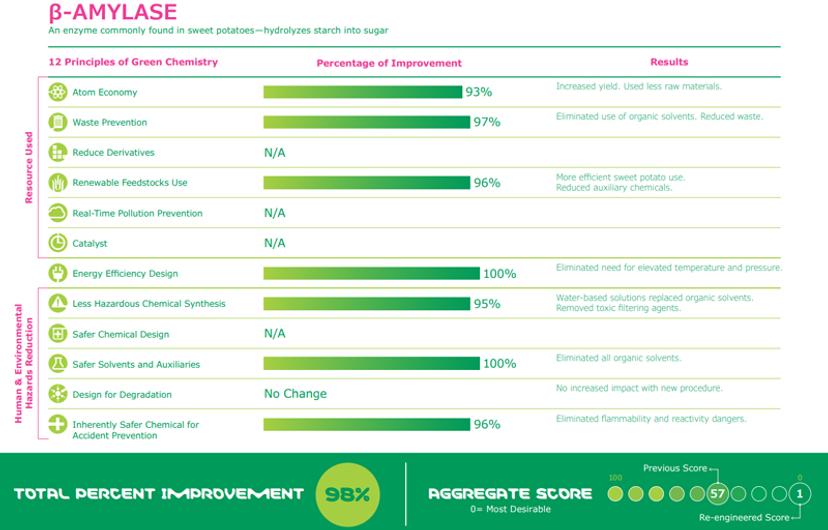
He continues: “Many researchers and manufacturers are seeking these greener alternatives, but it is not always easy to know whether these will be suitable for their needs. This is why we introduced the DOZN™ system.” DOZN™ is an industry-first quantitative green chemistry evaluation tool, based on the 12 Principles of Green Chemistry, that provides a consistent and reliable framework for measuring the ‘greenness’ of chemicals and processes. Products are assessed against criteria including resource use, energy efficiency and human and environmental risk, and receive an aggregate score based on a scale of zero to 100, with zero being the most desired. “There are 12 different aspects that play into this score, and it is very transparent, making it easy for customers to make data-driven decisions on greener products for their specific application,” adds Wachsmann.
Close collaboration between Merck and its customers can further streamline this selection process. “Our goal is to work with customers to understand their needs, and with our chemical expertise and market knowledge, provide materials that have the required properties, but are more sustainable,” says Wachsmann. “We can even provide customers with an array of options, and they can run tests to see if a greener product, for example, one that is biodegradable or produced via renewable energy, will work for their processes.”
Prioritizing corporate citizenship
Merck has taken significant steps to combine the needs of scientific research and environmental stewardship, and Wachsmann believes there is hope for a brighter, greener future in science. “Throughout our 353-year history, we’ve always been at the forefront of any new scientific development, and this applies very much to sustainability,” he says. “All our processes are frequently reviewed, and our green principles will continue to evolve going forwards.” Wachsmann concludes: “We want to be a big contributor to both a healthy society and a healthy environment. This will continue to be the driver for all of our business, not only the economic value, but also a social commitment in all of our activities in the world.”
Do you use Merck technology in your lab? Write a review today for your chance to win a $400 Amazon Gift Card >>
The Life Science business of Merck KGaA, Darmstadt, Germany, operates as MilliporeSigma in the U.S. and Canada
Related products
Request Quote for All Products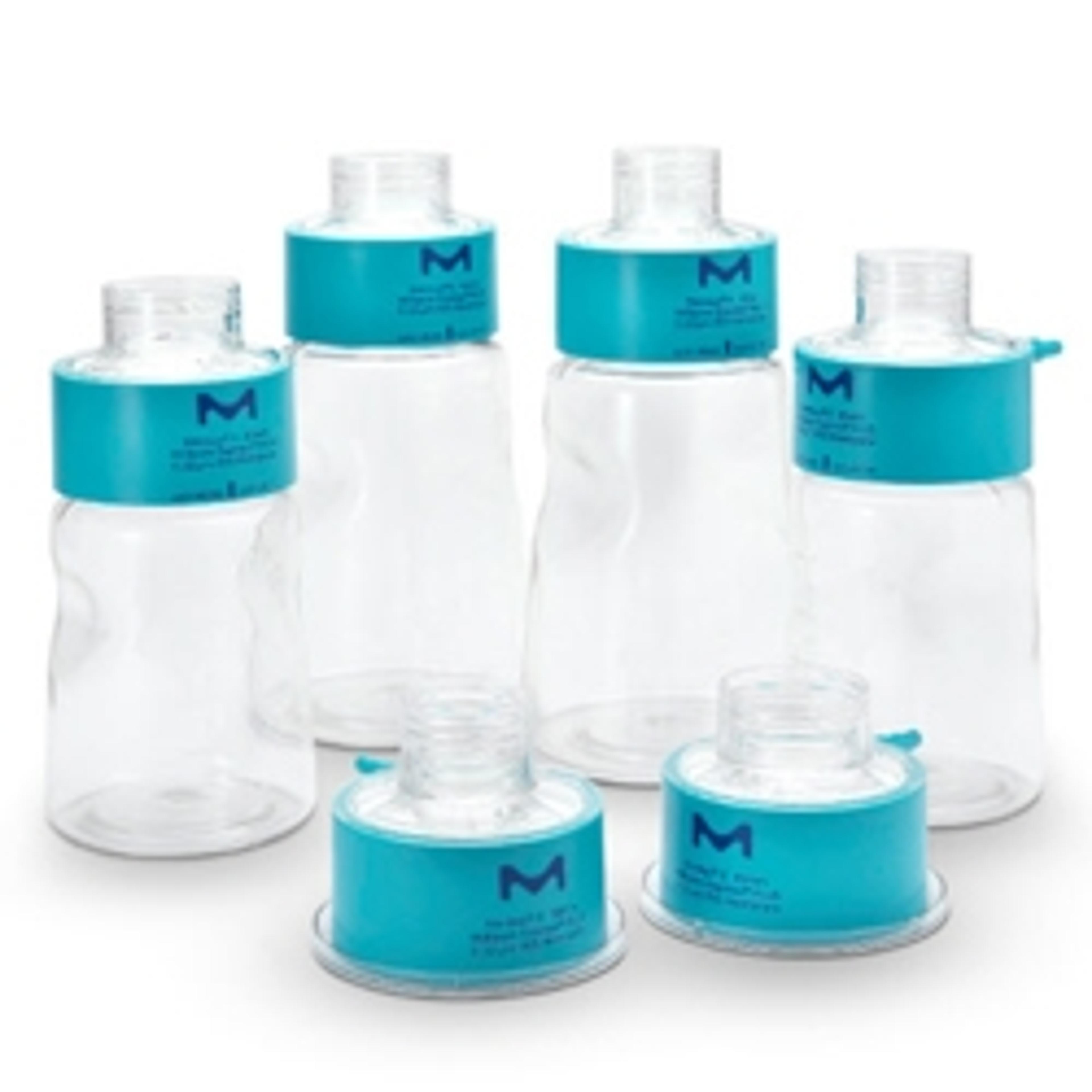
Stericup® E and Steritop® E Filtration Systems
MerckThe Stericup ® E and Steritop ® E sterile filtration devices—evolved with an eco-conscience. This progressive rethinking of filter design helps to reduce your lab’s environmental impact.
Steritop® Filter Units
MerckSteritop bottle top filter units provide a large filter area for rapid sterile filtration of aqueous fluids into narrow-mouth (33 mm) or wide-mouth (45 mm) bottles. A small tab inside the funnel secures an optional prefilter in-place during filtration. For added protection against contamination, the threads for bottle attachment have been slightly recessed in case the funnel accidentally touches a work surface
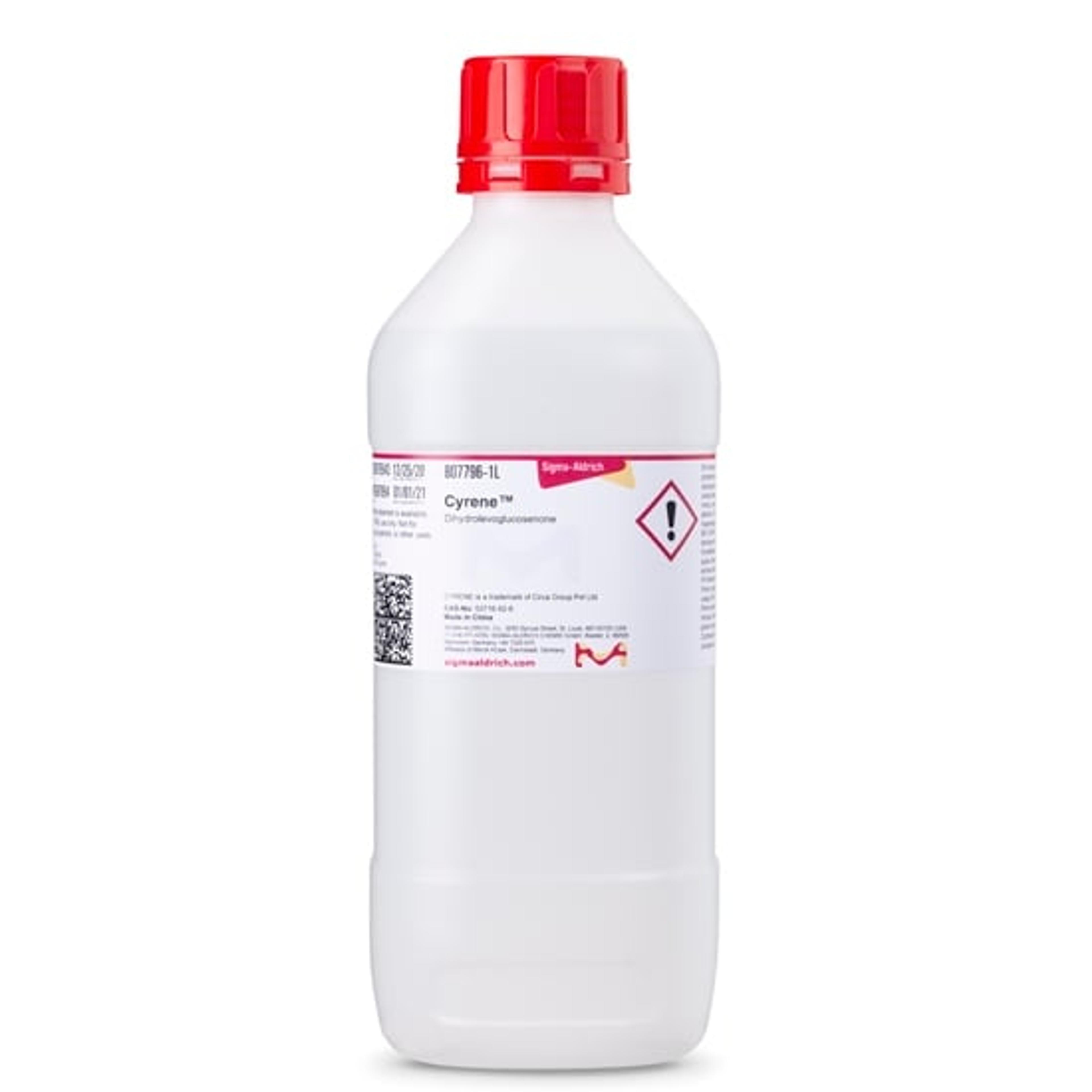
Cyrene™ Bio-Renewable Dipolar Aprotic Solvent
Merck KGaA, Darmstadt, GermanyLooking to Replace REACH-Restricted NMP? Go Green!