
Using peptide-based T cell activation assays to identify COVID-19 epitopes

Read this application note to discover how T cell activation assays can help accelerate COVID-19 vaccine development

6 Sept 2020

Edward Carter
Publishing / Media

Product news

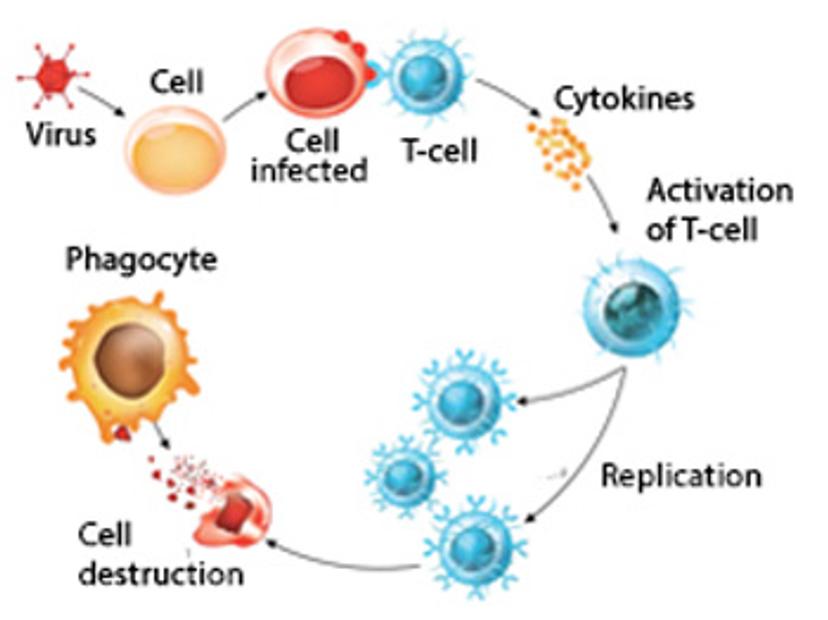
T-cell activation

As a global pandemic, COVID-19 has completely uprooted our way of life due to the devastating effects of its infection. The race to find an efficacious vaccine has become the top priority for leading pharmaceutical companies worldwide. With these daunting studies, it is important that researchers can find reliable peptides for their T-cell activation assays.

The fast-moving efforts of better understanding immune response to COVID-19 and vaccine development is needed to combat the current crisis. In particular, peptide production is a roadblock that can be overcome by a range of different methods including outsourcing and better bioinformatics tools.

This application note by GenScript covers:

  • How the structure of coronaviruses of the past could lead to the treatment of the future
  • The use of T cell activation assays to confirm immunity in COVID-19 patients
  • Using T-cell activation assays to determine epitopes for vaccine development against COVID-19

Download this application note to learn about the role of T cell activation assays for both confirming immunity in COVID-19 patients and determining top epitope candidates for vaccine development>>

Links

Tags

ImmunologyImmunological techniques measure and characterize immune responses. Immunology kits and analysis systems often use techniques such as ELISA, radioimmunoassay (RIA) and immunodiffusion assays, Immunohistochemistry, and flow cytometry. Immunologists use equipment such as flow Cytometers, plate readers, plate washers and fluorescent microscopes.Cellular PathologyCellular Pathology deals with the microscopic analysis of tissue samples and cells. Sample preparation and processing includes fixation, staining, sectioning and slide mounting, using equipment such microtomes and cryostats. In choosing immunohistochemistry and immunocytochemistry kits, consider chromogens, staining method, antibodies, microscopes and imaging.Cell-Based AssaysCell-based assays are used to monitor the presence, quantity and activities of a desired cellular analyte including drug molecules or biomarkers. This can reveal information on cell health (apoptosis, cytotoxicity, viability and proliferation assays), cell metabolism, cell migration and cell signaling mechanisms. Find the best cell-based assay products, kits and equipment with our peer reviewed product directory: compare products, check customer reviews and receiving pricing direct from manufacturers.ImmunoassayImmunoassays are laboratory tests that utilize antibody-antigen interactions to detect specific substances. They are widely used in diagnostics for detecting diseases, drug testing, and environmental monitoring. These assays offer rapid, sensitive, and precise detection of biomarkers, making them invaluable in clinical and research labs. Browse our peer-reviewed product directory to compare immunoassay systems, read user reviews, and get pricing directly from manufacturers.EpitopeVaccine DevelopmentVaccine development focuses on creating immunizations to protect against infectious diseases. The process involves identifying antigens, developing and testing vaccine efficacy, and ensuring safety through preclinical testing and multiple clinical trial phases. Scientists use various approaches, including weakened or inactivated viruses, protein subunits, or mRNA. Advanced platforms and rapid diagnostic tools aid in vaccine research and testing. Explore vaccine development solutions in our peer-reviewed product directory; compare products, read reviews, and get pricing directly from manufacturers. T Cells