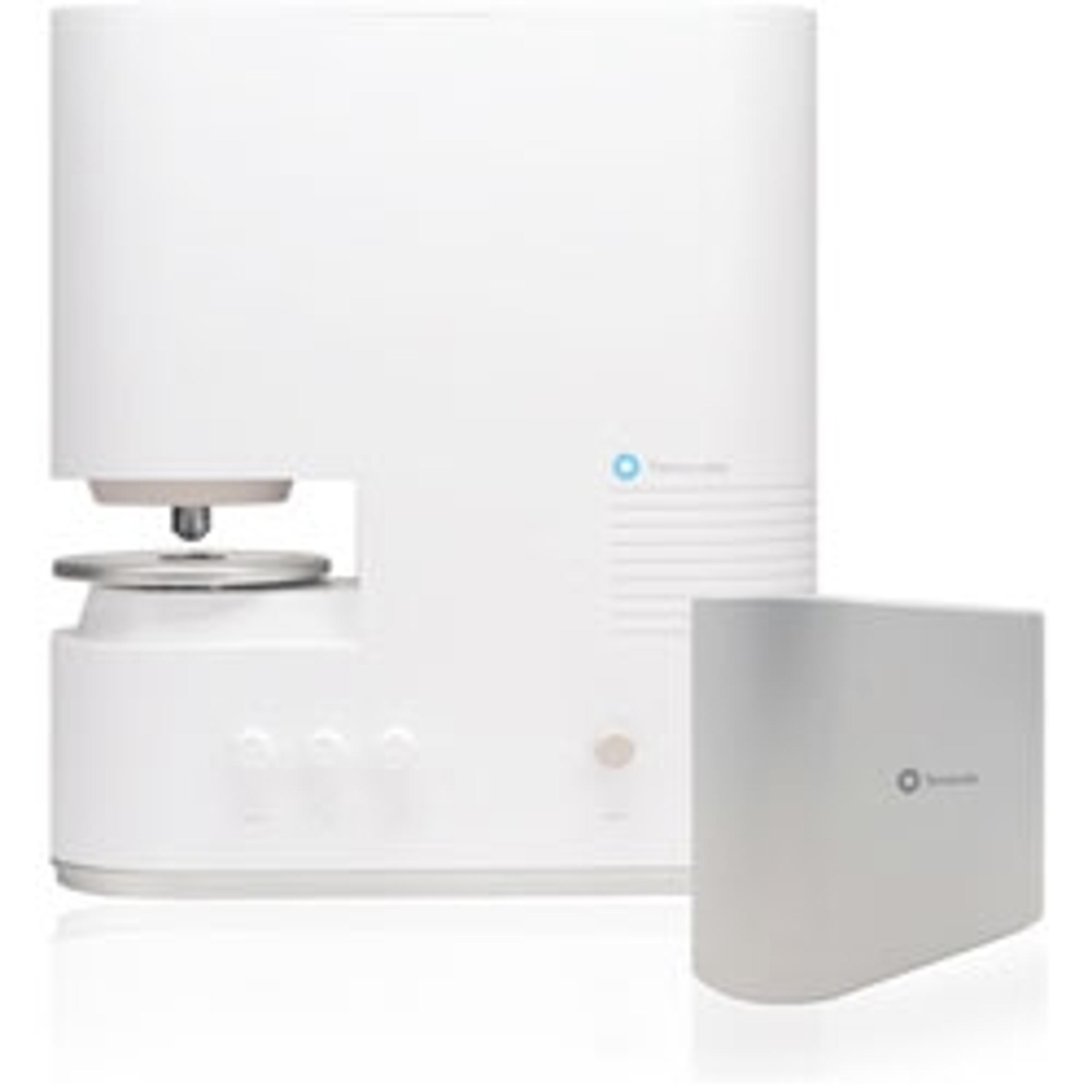
Tomocube microscope quantifies effectiveness of experimental nanodrugs against biggest killer in westernised societies
11 Nov 2020
Treatment of atherosclerosis, the disease responsible for approximately half of all deaths in westernized societies, is a step closer following correlative studies using Tomocube’s HT-2 microscope. A Korean research team utilized the HT-2’s 3-D refractive index (RI) tomography and high-resolution fluorescence imaging to measure the accumulation of lipid droplets (LD) in foam cells. They also exploited machine-learning-based image analysis to quantify the therapeutic effects of a targeted nanodrug upon individual living cells.
According to Aubrey Lambert, Tomocube’s Chief Marketing Officer, “Although lipid droplet accumulation in foam cells is widely acknowledged as an attractive target for therapeutic intervention in atherosclerosis, current non-invasive cellular imaging techniques are unable to quantify the build-up. This study demonstrates that label-free optical diffraction tomography (ODT) enables quantitative morphological and biophysical analysis of living foam cells and the precise measurement of the effectiveness of experimental drug treatments, down to the single-cell level.
“Other metabolic disorders, including cancer, obesity, and diabetes mellitus, are also closely related to inflammatory responses via lipid and cholesterol storage. “These findings suggest that rapid, label-free, refractive index measurement is a highly promising tool to explore the effectiveness of drugs against LD-related metabolic diseases and discover new drugs for the treatment of these disorders.
Atherosclerosis is the build-up of fats, cholesterol, and other substances in and on artery walls in plaques. These plaques can restrict blood flow and may burst, triggering a blood clot. Often looked on as a heart problem even though it can affect arteries anywhere in the body, the world’s aging population is constantly boosting atherosclerosis’ position as the world’s top killer in westernized society. Coronary heart disease is the most common cause of lethal atherosclerotic disease responsible for two-thirds of all deaths resulting from heart disease and 70% of all deaths in those aged 75 and over.
The Tomocube holotomography microscope delivers quantitative, nanoscale, real-time, label-free 3-D images of individual living cells quickly and simply without any sample preparation. The holotomography images also deliver vital information on unique cell properties, including cell volume, shapes of sub-cellular organelles, cytoplasmic density, surface area, and deformability. The latest HT-2 model combines the quantitative phase imaging (QPI) approach of label-free, 3-D refractive index (RI) tomography with 3-D fluorescence imaging. Winner of the Microscopy Today 2019 Innovation Award, this microscope enables long-term tracking of specific targets in live cells while minimizing stress. The capability to easily deliver holotomography and fluorescence correlative analysis in 2D, 3D and 4D will enable researchers and clinicians to open new frontiers in bioscience and better understand, diagnose, and treat disease.
Want the latest science news straight to your inbox? Become a SelectScience member for free today>>