Thermo Fisher Scientific develops COVID-19 antibody assay targeting transplant community

This powerful new solution aims to provide more accurate COVID-19 antibody detection

9 Aug 2020

Diane Li
Assistant Editor

Product news

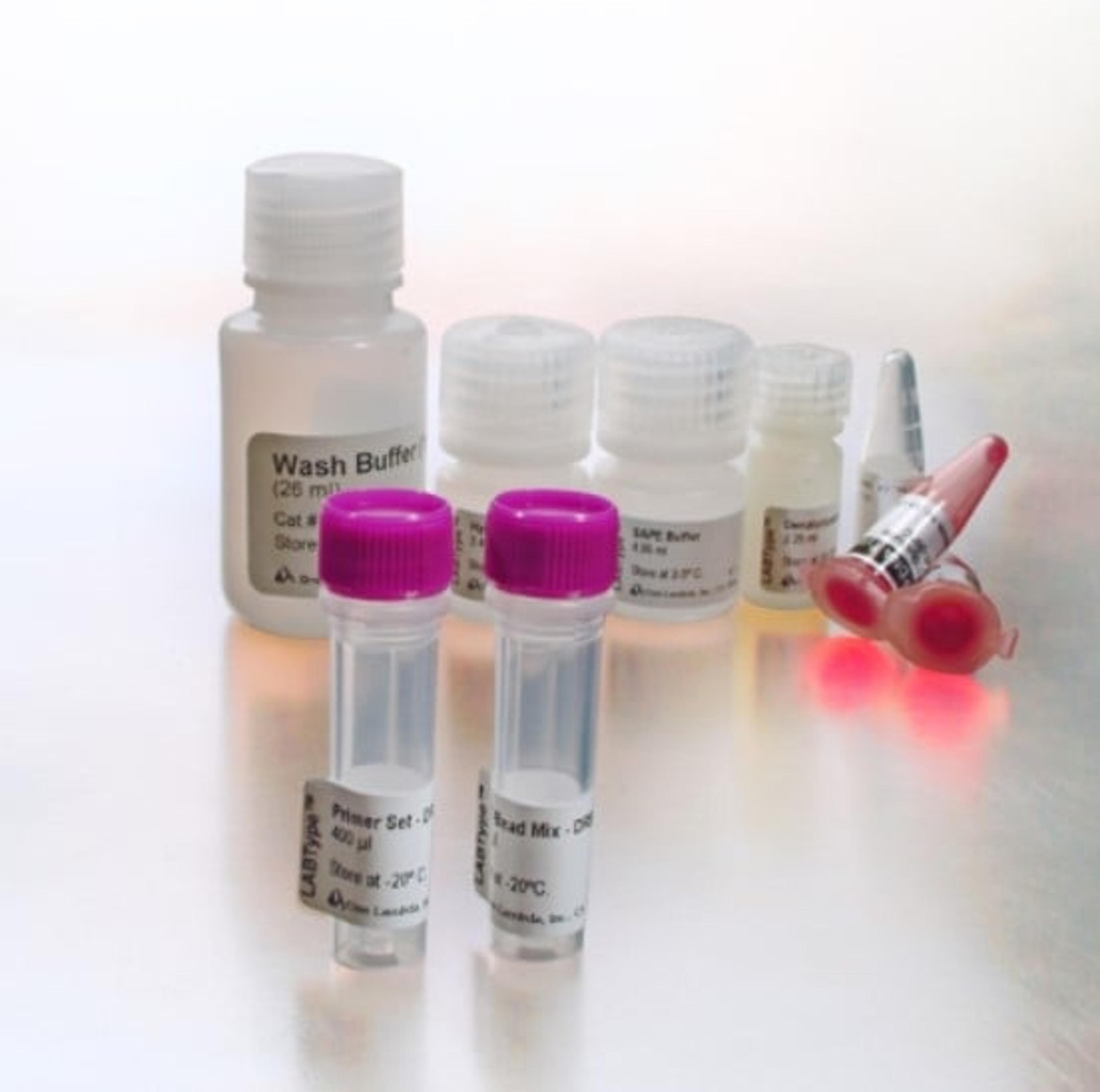
Thermo Fisher Scientific continues to expand its response to the COVID-19 pandemic, developing a new serological assay targeted towards transplant candidates and recipients that can detect antibodies directed against COVID-19 (SARS-CoV-2). The assay will be provided under the company's One Lambda brand representing leading in vitro diagnostic products for the transplant community. This novel antibody detection panel is part of Thermo Fisher's continued efforts to support transplant patients during the pandemic.

In collaboration with histocompatibility, infectious disease and nephrology laboratories at Emory University, Stanford University, University of Cincinnati and the University Health Network in Toronto, Thermo Fisher's transplant diagnostic business has developed the LABScreen COVID Plus Assay. The assay leverages the Luminex xMAP technology to detect multiple distinct antibodies and fragments, making it more specific than current assays and able to reduce false positives caused by infections with common coronavirus. In combination with HLA antibody detection, the LABScreen COVID Plus reagents can help provide a more complete picture of a patient's antibody profile.

The LABScreen COVID Plus Assay will be available for research use only by August 2020. Additionally, the assay will be submitted for Emergency Use Authorization (EUA).

"We approached Thermo Fisher's transplant diagnostic business because we believe their expertise with antibody assay development and commitment to the transplant community is critical to develop an assay for transplant patients that could both detect neutralizing antibodies and rule out false positives," said Dr. Howard Gebel, co-director of the Emory University Hospital HLA laboratory.

"A semi-quantitative multiplex assay that can simultaneously detect the response to spike, receptor-binding domain, nucleocapsid and other SARS-CoV-2 proteins will be a huge step forward towards fully characterizing the immune response to COVID-19," said Dr. Robert Bray, co-director of the Emory University Hospital HLA laboratory.

"We're proud of the role we play in responding to the pandemic, and this is one of many examples that demonstrate our ability and our commitment to fight COVID-19," said Nicole Brockway, president of the transplant diagnostic business for Thermo Fisher. "Transplant patients have unique needs compared to other COVID-19 patients, and with the support of Luminex and our research partners, we're delivering an innovative solution that's tailored to meet those needs."

As the global leader in transplant diagnostics for more than thirty-five years, Thermo Fisher's transplant diagnostics business is committed to improving the lives of patients worldwide by driving innovation and delivering quality products. The company's comprehensive product portfolio includes a broad range of antibody detection assays, post-transplant monitoring solutions including the novel Molecular Microscope Diagnostic System, HLA typing products, laboratory instrumentation and software, and industry-leading customer support.

Do you use Thermo Fisher Scientific products in your lab? Write a review today for your chance to win a $400 Amazon gift card>>

One Lambda LABType® SSO

Thermo Fisher Scientific

With LABType SSO you get superior resolution and a cost-effective solution for HLA A, B, C DRB1, DRB3, 4, 5, and DQA1,DQB1, DPA1,DPB1 HLA typing. Our cost effective kits do not require handling of strips or membranes, colormetric reactions, nor visual analysis of colored bands or dots. FEATURES & BENEFITS Efficient — "all-in-one" reaction dramatically reduces labor and processing time Robust assay — Allows resolution of ambiguities without additional assay Easy acquisition and analysis — Automated data acquisition using flow analysis; Software-aided data analysis and HLA allele assignment Post hybridization stability — allows batch processing Ideal solution — for both low volume and high throughput laboratories  

(1)

Links

Tags

AntibodiesAntibodies are used in techniques such as confocal and fluorescence microscopy, flow cytometry, ELISA, ELISPOT, immunohistochemistry, western blotting and immunopreciptation. Select specific antigen reactivity, high specific affinity, low non-specific binding, monoclonal or polyclonal, primary or secondary antibodies and associated conjugates such as an enzyme or dye for visualization.Cell Adhesion AssaysCell adhesion assays are used to quantitate attachment and analyze the molecular mechanisms for extracellular matrix adhesion, cell migration and sensitivity to inhibitors. Find the best cell adhesion assay equipment in our peer-reviewed product directory: compare products, check customer reviews and receive pricing direct from manufacturers.Combinatorial ChemistryCombinatorial chemistry, also known as combichem, is a technique used in drug discovery to create libraries of structurally related compounds. A library is generated by synthesis with a chemical reactor system or by computer-based modeling of compound combinations. When undertaking combinatorial chemistry consider reagents, buffers, resins and standards.Data AnalysisData analysis hardware and software is available to make data processing straight-forward yet powerful. Data software can be used for math and stats, technical graphing and image analysis. In addition, software is available for specific data analysis of electrophoresis, densitometry, ELISA and DNA sequencing.ImmunologyImmunological techniques measure and characterize immune responses. Immunology kits and analysis systems often use techniques such as ELISA, radioimmunoassay (RIA) and immunodiffusion assays, Immunohistochemistry, and flow cytometry. Immunologists use equipment such as flow Cytometers, plate readers, plate washers and fluorescent microscopes.Cellular PathologyCellular Pathology deals with the microscopic analysis of tissue samples and cells. Sample preparation and processing includes fixation, staining, sectioning and slide mounting, using equipment such microtomes and cryostats. In choosing immunohistochemistry and immunocytochemistry kits, consider chromogens, staining method, antibodies, microscopes and imaging.Cell-Based AssaysCell-based assays are used to monitor the presence, quantity and activities of a desired cellular analyte including drug molecules or biomarkers. This can reveal information on cell health (apoptosis, cytotoxicity, viability and proliferation assays), cell metabolism, cell migration and cell signaling mechanisms. Find the best cell-based assay products, kits and equipment with our peer reviewed product directory: compare products, check customer reviews and receiving pricing direct from manufacturers.Biopharmaceutical AdvancesBiopharmaceutical advances follow the development of pharmaceuticals derived from biotechnology, also known as biotechnology medicines. Biopharmaceuticals may be produced from cell lines, plants, or microbial cells. Important considerations of biopharmaceutical use include application, cost, production process and purification.Clinical ChemistryBiochemistry (or clinical chemistry) involves the analysis of bodily fluids using chemical tests. Techniques used include HPLC, chromatography, spectroscopy, mass spectrometry, immunochemical, electrophoresis, turbidometric / spectrophotometric assay, MRI and ISE analysis. Tests are often carried out on plasma or serum but urine (urinalysis) and fecal specimens are also processed.Clinical GeneticsMolecular Genetics covers the analysis of hereditary genetic disease and chromosomal abnormalities. Genetics can be analysed using DNA, RNA, and protein microarrays, PCR, RT PCR and DNA sequencing. Genetic equipment includes genetic workstations, thermal cyclers, cooling blocks and electrophoresis products. Diagnostic kits are used for DNA / RNA extraction and purification.Clinical MicrobiologyMicrobiology is the study of microorganisms including protists, prokaryotes, fungi, and, often, viruses. Microorganisms are a useful research tool as genetic vectors and, in immunology, for antibiotic susceptibility testing, cellular biology and genetics. Microorganisms commonly grow readily in incubators with microbial culture media; this can contain chromogenic supplements to differentiate between cell lines. Estimate your culture’s density of microorganisms with colony counters, or screen and select colonies for desirable clones with automated colony pickers. Additionally, equipment is available to monitor environments for the presence of microbes and identify with microbial identification instruments. Find the best microbiology products in our peer-reviewed product directory: compare products, check customer reviews and receive pricing direct from manufacturers.Drug DeliveryDrug Delivery refers to dosage form, route of administration, formulations, technologies, and systems for transporting a pharmaceutical compound in the body as needed to safely achieve its desired therapeutic effect. Drug delivery is often approached via the biopharmaceutical or small molecule drug's formulation, but it may also involve medical devices or drug-device combination products. Considerations include instrumentation, software and services. RegulatoryPharmaceutical regulations impact on all areas of drug development, manufacture and control and supply. Services are provided from the early stages of drug development and clinical trials through to dossier submission, approval and marketing. Regulatory also includes submission of analytical studies from the pharmaceutical product and safety. Assay DevelopmentThe process of proving an assay to be sensitive with respect to the target is known as assay development. The assay should be able to characterize novel compounds and measure the potency of these compounds against a validated biological target.Therapeutic AntibodiesTherapeutic antibodies are antibodies engineered for use in treating diseases. They can be designed to target specific antigens, blocking harmful interactions or modulating immune responses. Therapeutic antibodies are critical in treating conditions like cancer, autoimmune disorders, and infectious diseases. Explore the best therapeutic antibody products in our peer-reviewed product directory; compare options, check reviews, and get pricing directly from manufacturers.