Thermo Fisher Scientific continues collaboration to support biopharmaceutical discovery and development

Thermo Fisher and Symphogen extend their collaboration using innovative and efficient workflows to improve data confidence, aiding the creation of new cancer treatments

10 Mar 2022

Blake Forman
Content Creator

Industry news

Thermo Fisher Scientific, a world leader in serving science, and Symphogen, an affiliate of and the antibody center of excellence within the international pharmaceutical company Servier, has announced the continuation of their collaboration to provide biopharmaceutical discovery and development laboratories with innovative tools and streamlined workflows for efficient characterization of complex therapeutic proteins.

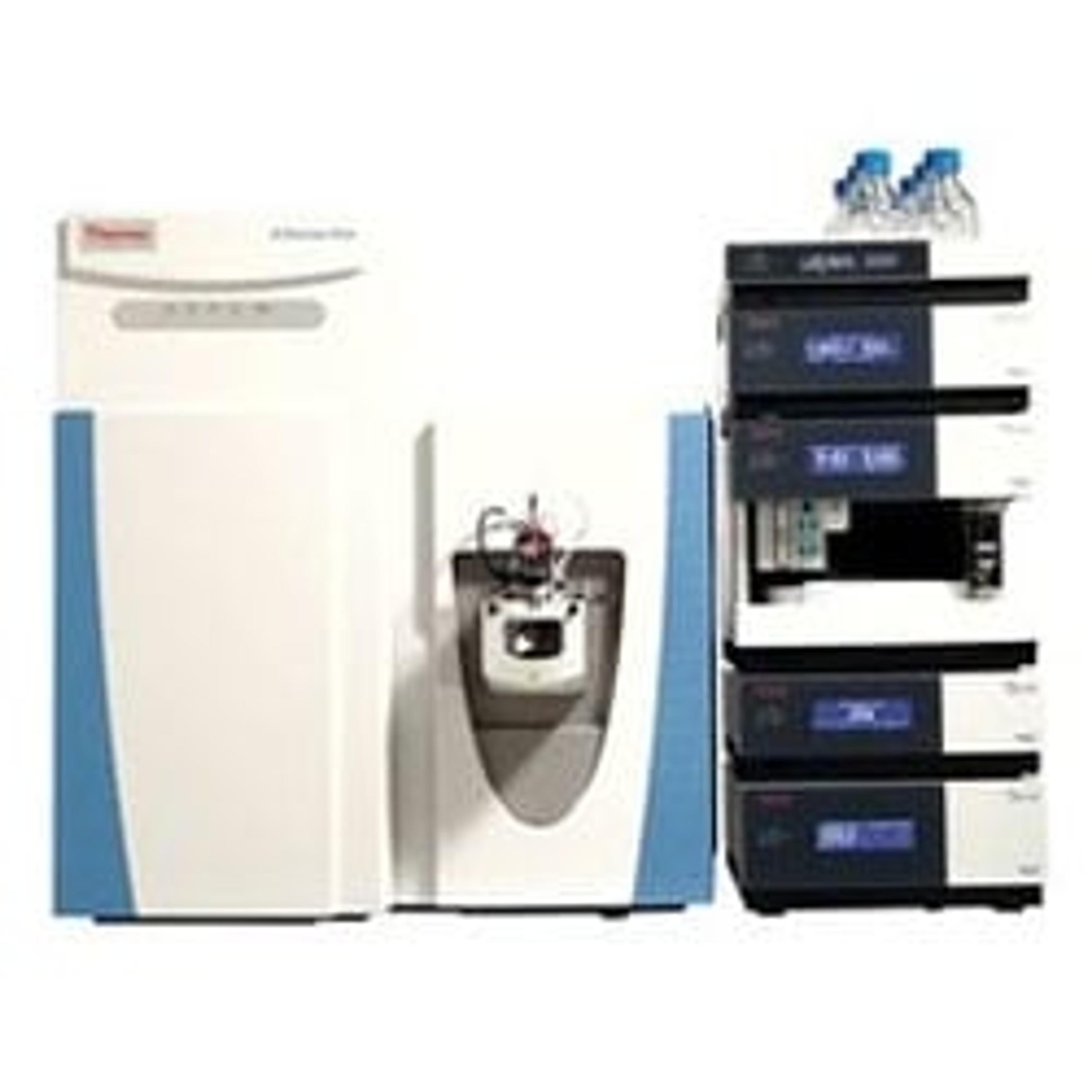
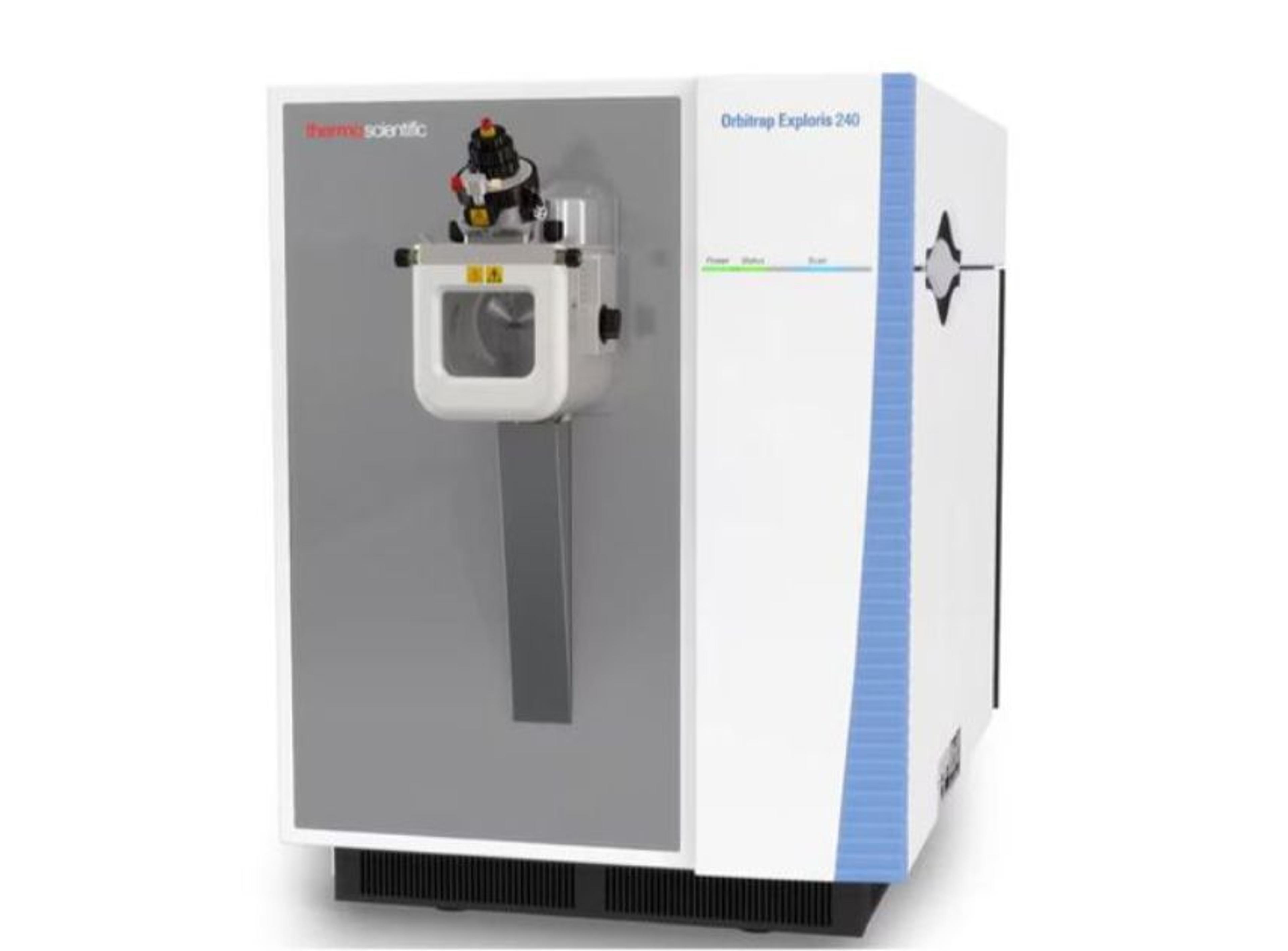
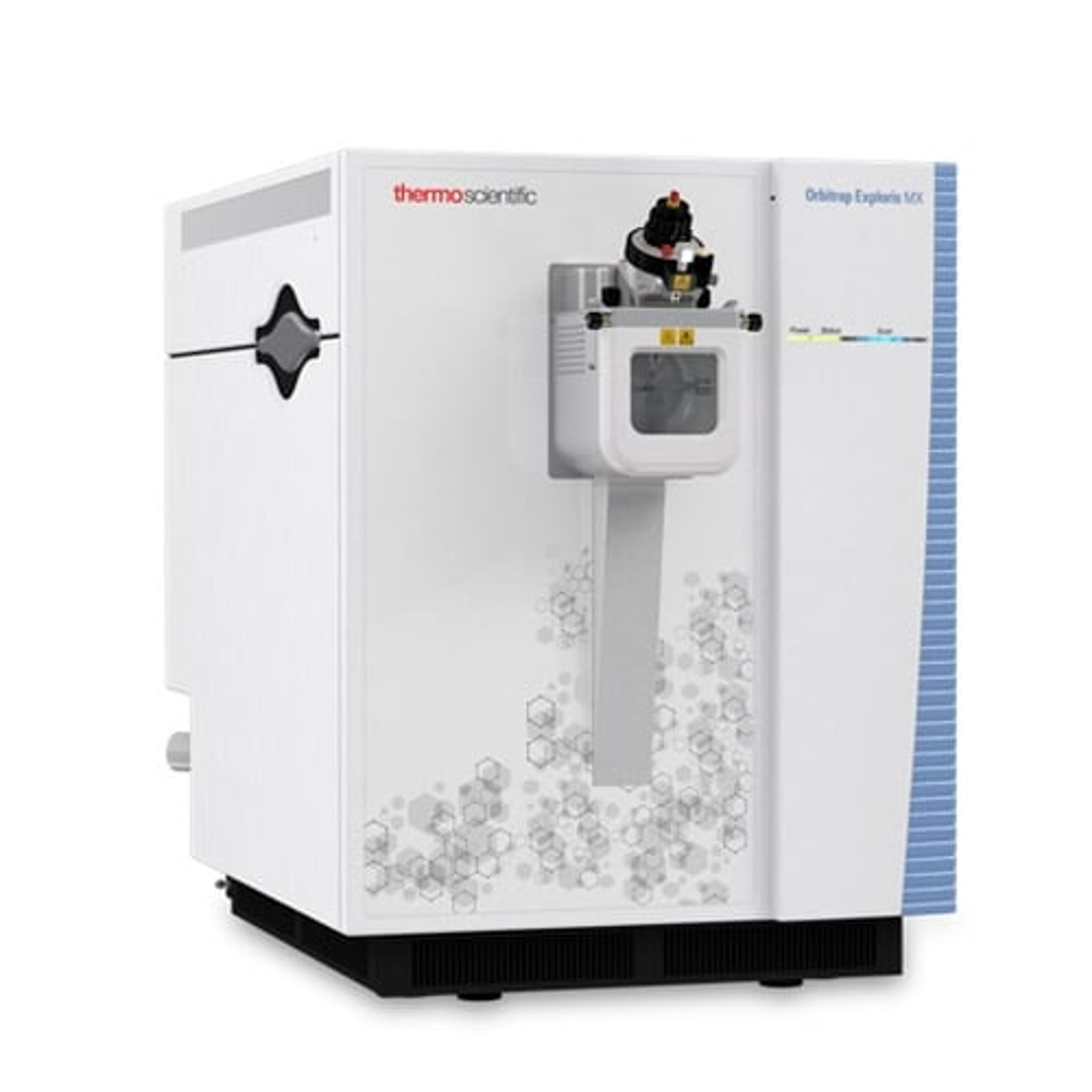
Since the collaboration began in 2018, Symphogen has adopted new and innovative instruments and software to improve data quality and processes to develop, test, and routinely implement platform workflows for intact and native mass analysis of therapeutic monoclonal antibody (mAb) mixtures. Most recently, the implementation of the Thermo Scientific Orbitrap Exploris MX Mass Detector allows for the highest level of data confidence and an efficient workflow, with seamless method transfer from development instruments. This new system adds to Symphogen’s range of High-Resolution Accurate Mass (HRAM) mass spectrometry technologies, including the Thermo Scientific Q Exactive Plus Orbitrap Liquid Chromatography-Tandem Mass Spectrometry (LC-MS/MS) system and the Thermo Scientific Orbitrap Exploris 240 and 480 Mass Spectrometers. These systems will be controlled using the Thermo Scientific Chromeleon Chromatography Data System (CDS) software, allowing secure, remote operations and data processing from anywhere in the world, providing working flexibility and improved data protection.

“The extension of our collaborative relationship with Symphogen demonstrates our continued commitment to solve tangible scientific challenges within the biopharmaceutical industry,” said Eric Grumbach, director biopharma, pharma business, chromatography, and mass spectrometry, Thermo Fisher. “Further investment in this collaboration enables critical insights that feed directly into the development of new analytical tools, providing meaningful impact to the characterization of complex biotherapeutics.”

Dan Bach Kristensen, principal investigator, Symphogen, said, “Mass spectrometry is playing an increasingly important role in biopharmaceutical development at Symphogen, as exemplified in 2021 when we analyzed over 10,000 biopharmaceutical samples by intact mass analysis on our Orbitrap mass spectrometers. A multitude of separation techniques are now routinely hyphenated to our mass spectrometers, providing unrivaled insight into product quality, from early discovery to late-stage clinical development.”
Want the latest science news straight to your inbox? Become a SelectScience member for free today>>

Links

Tags

LC-MSLC-MS (liquid chromatography-mass spectrometry) systems and equipment are used for separation and quantitative analysis of complex mixtures, combining liquid chromatography and mass spectrometry. Quantify proteins, contaminants, pesticides or screen for drug metabolites with a high level of sensitivity. LC-MS systems and equipment include reverse phase, normal phase and specialized columns integrated with various MS detectors such as time-of-flight (TOF), quadrupole, orbitrap or ion trap mass analyzers. LC-MS/MS instruments equipped with a qTOF or triple quadrupole analyzer give greater sensitivity and resolving power to your analysis. Find the best LC-MS equipment in our peer-reviewed product directory: compare products, check customer reviews and receive pricing direct from manufacturers.Mass SpectrometryMass spectrometry (MS) is a powerful analytical technique used to identify and quantify molecules based on the mass-to-charge ratio of gas-phase ions. It provides detailed information about the structure, composition, and properties of compounds and is widely used across fields such as environmental monitoring, materials science, drug discovery and development, food and beverage testing, and wider chemical research. Key MS techniques include tandem mass spectrometry (MS/MS), liquid chromatography–mass spectrometry (LS-MS) and inductively coupled plasma (ICP-MS). Choosing from these wide range of techniques and technologies can be a daunting task, so keep up to date with scientific applications, performance expectations, and customer reviews here all in one place. Visit our product directory to receive quotes direct from the manufacturer. Combinatorial ChemistryCombinatorial chemistry, also known as combichem, is a technique used in drug discovery to create libraries of structurally related compounds. A library is generated by synthesis with a chemical reactor system or by computer-based modeling of compound combinations. When undertaking combinatorial chemistry consider reagents, buffers, resins and standards.ProteomicsProteomics is the systemic bioinformatics study of proteins and amino acids, including their structure, size, function and identification. Tools used in proteomics include chromatography, blotting and gels, protein arrays, mass spectrometry and ELISA and associated analysis software. Analyzers and proteomic systems should be sensitive, high resolution, fast and may be automated for high-throughput.Biopharmaceutical AdvancesBiopharmaceutical advances follow the development of pharmaceuticals derived from biotechnology, also known as biotechnology medicines. Biopharmaceuticals may be produced from cell lines, plants, or microbial cells. Important considerations of biopharmaceutical use include application, cost, production process and purification.GC-MS GC-MS (gas chromatography-mass spectrometry) instruments and equipment are used to separate, quantify and identify mixtures of small and volatile compounds, such as polycyclic aromatics, fatty acids and alcohols. Often used in drug detection, forensic investigation and environmental analysis for pesticides and contaminants, GC-MS is a powerful addition to your lab’s analytical capabilities. GC-MS/MS instruments equipped with a qTOF or triple quadrupole analyzers can give greater sensitivity and resolution to your analysis. Find the best GC-MS instruments and equipment in our peer-reviewed product directory: compare products, check customer reviews and receive pricing direct from manufacturers.Protein QuantificationThe detection and quantification of proteins in a sample is vital across life sciences, pharmaceutical research and clinical diagnostics, and a variety of equipment is available to scientists to simplify the workflow. Proteins of interest can be easily labeled and detected on light-based detection instruments. Immunoassay kits allow you to identify a specific protein of interest and protein detection beads or antibody microarrays allow you to identify multiple specific proteins at once. Protein interactions and enzyme activity can also be monitored with protein-protein interaction assays. Additionally, the biophysical characterization of proteins is made easy with biokinetic analyzers. Find the best protein detection and quantification products in our peer-reviewed product directory: compare products, check customer reviews and receive pricing direct from manufacturers.BiopharmaceuticalsBiopharmaceuticals are proteins and other compounds (such as nucleic acids) produced by living organisms that have uses as therapeutics or for in vivo diagnostics. The most well known example of a biopharmaceutical product, and the first to be approved for therapeutic use, was recombinant human insulin.Therapeutic AntibodiesTherapeutic antibodies are antibodies engineered for use in treating diseases. They can be designed to target specific antigens, blocking harmful interactions or modulating immune responses. Therapeutic antibodies are critical in treating conditions like cancer, autoimmune disorders, and infectious diseases. Explore the best therapeutic antibody products in our peer-reviewed product directory; compare options, check reviews, and get pricing directly from manufacturers.BiotherapeuticsBiotherapeutics are proteins and other compounds (such as nucleic acids) produced by living organisms that have uses as therapeutics or in <i>in vivo</i> diagnostics. The most well-known example of a biotherapeutic product, and the first to be approved for therapeutic use, was recombinant human insulin.Protein BiologyLC-MSLiquid Chromatography-Mass Spectrometry (LCMS) is a powerful analytical technique that combines the separation power of liquid chromatography with the detection capabilities of mass spectrometry. It is widely used for qualitative and quantitative analysis of complex mixtures in pharmaceuticals, proteomics, and environmental studies. Browse our peer-reviewed product directory to find the best LCMS systems, compare products, check reviews, and get pricing directly from manufacturers.