
Siemens Healthineers launches Innovance D-Dimer 2.0 Assay
D-dimer testing helps clinicians quickly assess patients during time-sensitive, emergent situations
6 Oct 2026
Siemens Healthineers has launched its Innovance D-Dimer 2.0 assay1, which is CE-marked and has received FDA 510(k) clearance. The blood test helps clinicians assess patients with suspected venous thromboembolism (VTE), including deep vein thrombosis (DVT) and pulmonary embolism (PE).
Blood clots can become dangerous when they block normal blood flow. Rapid intervention is critical to facilitate optimal patient outcomes.
“Minutes matter when clinicians are evaluating a patient for a serious blood clot,” said Martin Fuhrer, head of Specialty Laboratory Solutions for Diagnostics, Siemens Healthineers. “Our new D-dimer assay is designed to help laboratories deliver timely, high-quality results that underpin quicker, confident clinical decisions.”
What is the purpose of a D-dimer test?
D-dimer testing helps assess patients with conditions and/or complications that increase clotting activity. People face a higher risk of VTE during or shortly after immobilization, during cancer treatment, and during pregnancy or postpartum2.
During time-sensitive, potentially life-threatening situations, exclusion of DVT and PE helps clinicians confidently determine the next steps for their patients’ care. The Innovance D-Dimer 2.0 assay is intended for DVT and PE exclusion in conjunction with a clinical pretest probability (PTP) assessment model in outpatients suspected of DVT or PE.
It also is used to aid in the diagnosis and monitoring of hypercoagulable conditions, including disseminated intravascular coagulation (DIC)3 – a serious condition that may occur in patients suffering, for example, from sepsis, malignancy, or toxic snake bites.
How does the Innovance D-Dimer 2.0 assay support more efficient D-dimer testing?
Clinical laboratories are often asked to process urgent ‘STAT’ orders while managing increasing test volumes and staffing constraints. The Innovance D-Dimer 2.0 assay helps laboratories achieve optimal operational efficiency through ready-to-use reagents and controls and short time to results while a high level of clinical safety supports confident patient management.
Workflow-oriented features enable fast emergency department triage and timely treatment decisions. Analytical robustness and high specificity can help clinicians safely rule out patients from unnecessary imaging and follow-up procedures.
The Innovance D-Dimer 2.0 assay is part of Siemens Healthineers comprehensive coagulation portfolio for thrombotic conditions and disorders available for a variety of hemostasis systems including the CN-3000/CN-6000 systems.
References
1. K253985. Product availability varies by country.
2. CDC: https://www.cdc.gov/blood-clots/data-research/facts-stats/index.html
3. The products/features/applications mentioned here are not commercially available in all countries and are subject to local regulations. Their future availability cannot be guaranteed. This claim is not applicable in the U.S.
Want the latest science news straight to your inbox? Become a SelectScience member for free today>>
Related products
Request Quote for All Products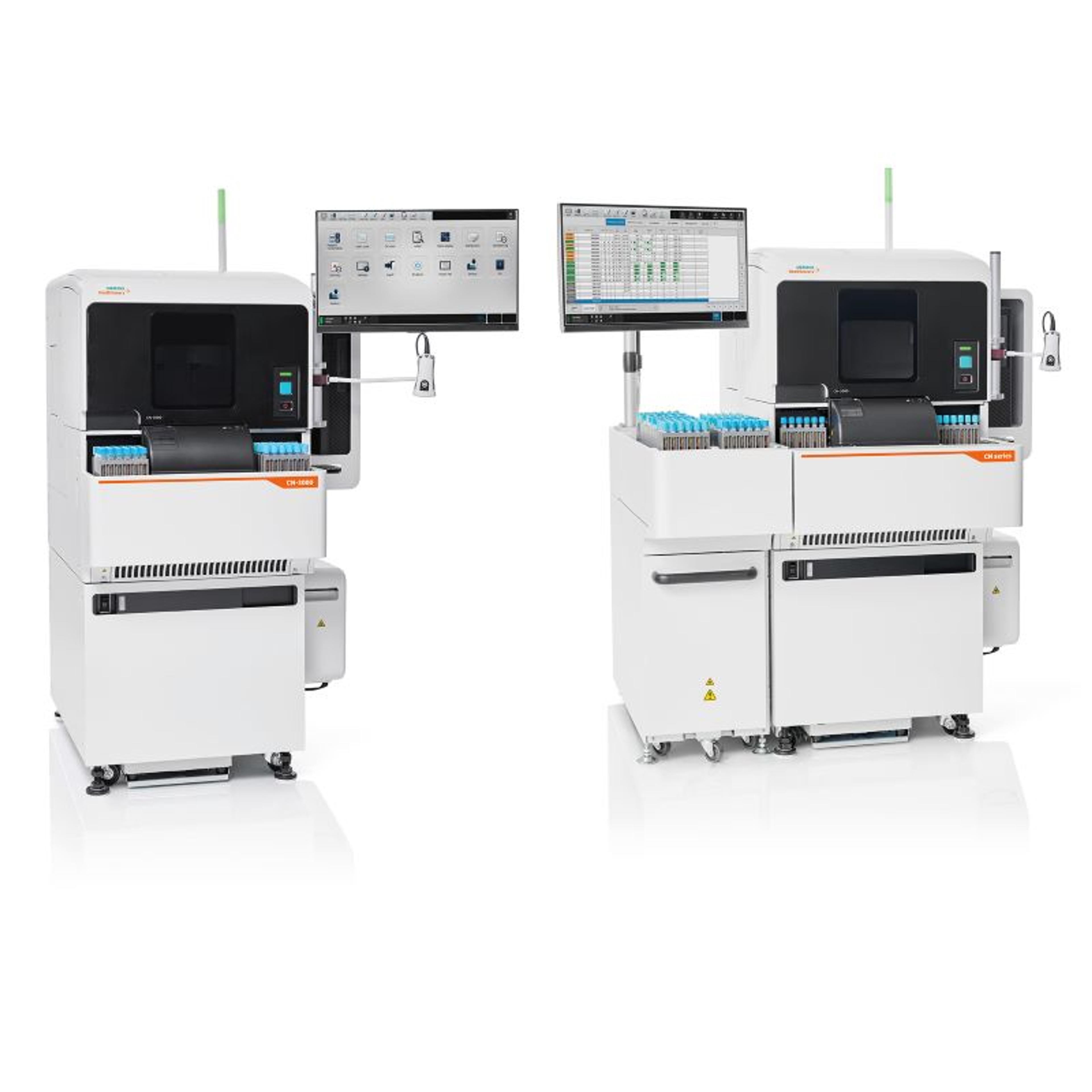
CN-3000/6000 Systems
Siemens HealthineersSmall-sized, mid- and high-volume hemostasis testing solutions to tackle big lab challenges.
Links
Tags
Frequently asked questions
Show frequently asked questions
What is the Siemens Healthineers Innovance D-Dimer 2.0 assay used for?
The CE-marked and FDA 510(k)-cleared blood test helps clinicians assess suspected venous thromboembolism (VTE). With a clinical pretest probability assessment, it is intended to exclude deep vein thrombosis (DVT) and pulmonary embolism (PE) in outpatients.
How does the Innovance D-Dimer 2.0 assay improve laboratory efficiency?
The assay offers ready-to-use reagents and controls, a short time to results, analytical robustness, and high specificity. These workflow-focused features support urgent STAT testing, fast emergency department triage, timely treatment decisions, and the safe avoidance of unnecessary imaging and follow-up procedures.
Can the Innovance D-Dimer 2.0 assay help assess hypercoagulable conditions?
Yes. The assay can aid the diagnosis and monitoring of hypercoagulable conditions, including disseminated intravascular coagulation (DIC), which may occur with sepsis, malignancy, or toxic snake bites. This claim is not applicable in the United States, and availability varies by country.