Sartorius partners with RoosterBio to advance cell and gene therapy manufacturing

The collaboration aims to advance the scale-up of hMSC manufacturing for regenerative medicine

22 Jan 2021

Diane Li
Assistant Editor

Industry news

The life science company Sartorius signed a strategic collaboration with RoosterBio Inc., a leading supplier of human mesenchymal stem/stromal cell (hMSC) working cell banks, highly engineered media, and hMSC bioprocess systems. The collaboration aims to advance the scale-up of hMSC manufacturing for regenerative medicine by leveraging the best-in-class solutions of both companies to significantly reduce process development efforts, industrialize the supply chain and accelerate the development and commercialization of groundbreaking cell-based regenerative cures.

RoosterBio and Sartorius will create a set of GMP-compatible, customer-centric protocols using RoosterBio’s hMSC and media systems, alongside Sartorius’s single use manufacturing technologies, process control software and cell analysis tools of hMSC final product manufacturing. Cell expansion will be rapidly optimized using Sartorius’s benchtop Ambr® system and MODDE® design of experiment software allowing the technical team to compare cultures in identically sized, multi-parallel bioreactors to gain process information and optimized conditions in a short timeline. Sartorius’s scalable Biostat STR® production bioreactors will then be used to scale up to 50L as part of this collaboration, with the system benefitting from scalability to 2000L. Sartorius equipment will also be leveraged to develop post-harvest processing methods with the kSep® system as well as process and quality analytics. This joint effort will simplify multiple steps in therapeutic development by providing robust, streamlined, end-to-end platform technologies and protocols that can be implemented for rapid scale up of manufacturing processes, allowing product developers to significantly speed up their development timelines.

“Taking hMSC manufacturing to the thousand-liter scale is critical in meeting product dose requirements in commercial manufacturing,” said RoosterBio CEO Margot Connor. “For truly robust and standardized production in the field, a highly controlled manufacturing strategy is needed, with the implementation of automation, process monitoring and control to increase batch scale, consistency and efficiency. This collaboration is well-positioned to accomplish the clinical scale requirements of regenerative medicine product developers while laying foundation for true commercial scale manufacturing.”

“With the combination of technologies and tools of RoosterBio and Sartorius we support our customers to develop stem cells and therapies faster, better and more cost- efficient. Scalability is key in commercial manufacturing and this cooperation will help to meet the requirements of our customers even better”, said Hugo de Wit, Head of Advanced Therapies at Sartorius.

Both companies aim to use the data from this collaboration to provide co-learning and development opportunities to support the growing cell and gene therapy industry.

Do you use Sartorius products in your lab? Write a review today for your chance to win a $400 Amazon gift card>>

BIOSTAT® CultiBag STR Plus

Sartorius Group

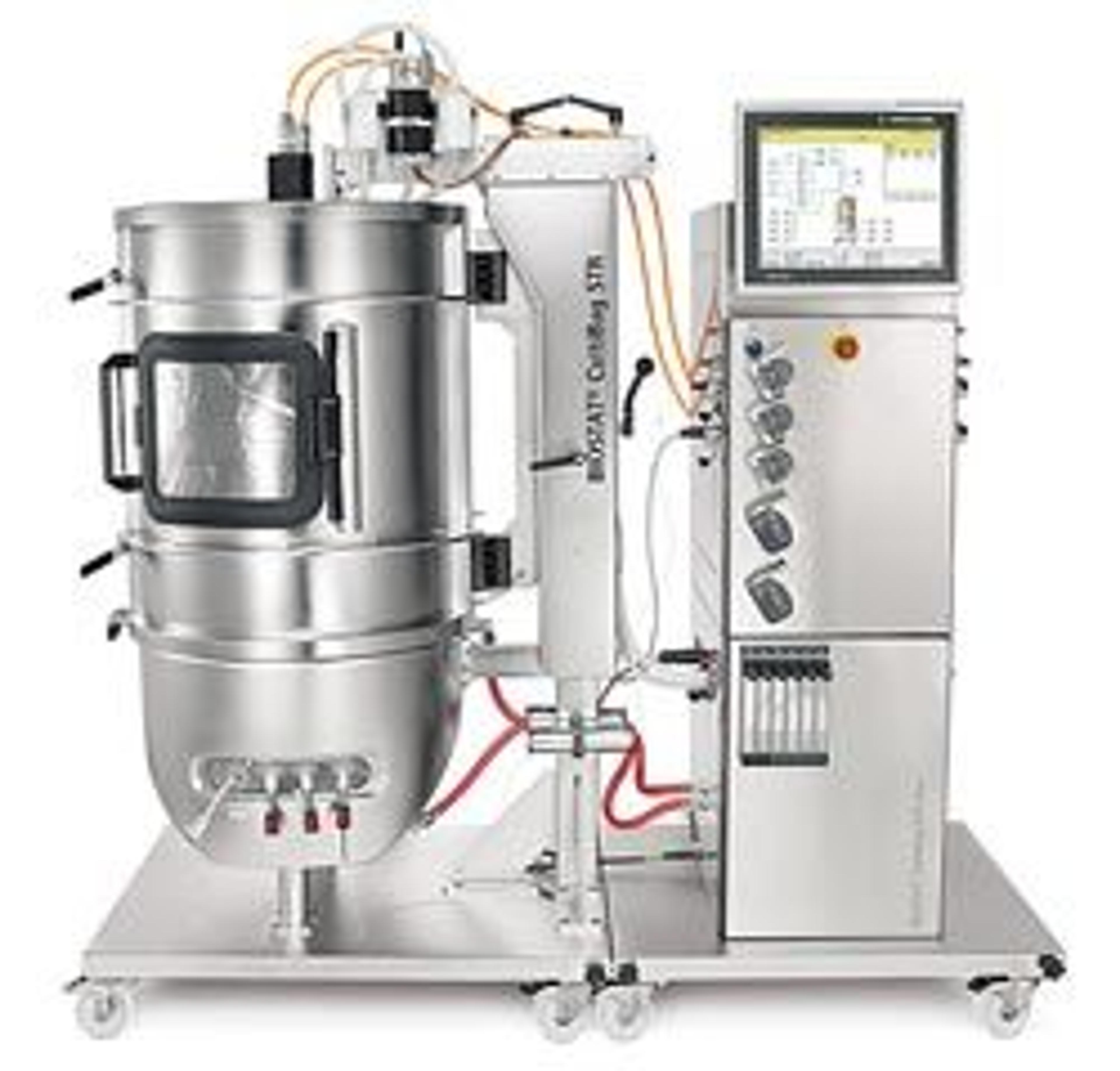
Innovative Bioreactor, Sensor and Stirrer Technology The BIOSTAT® CultiBag STR Plus is a stirred single use bioreactor available from small scale to large scale cultivation up to 1000L. Its design is entirely based on the conventional gold standards coming from the stainless steel systems, allowing for easy scale-up and transfer from stainless steel solutions. The BIOSTAT® CultiBag STR Plus consists of one BIOSTAT® STR Plus Control Tower, one bag holder, a single-use CultiBag STR and superior BioPAT® MFCS/DA data logging software. Single as well as twin versions are available.It is ideal for: Cell Culture applications Industrial and academic research Process development Process optimization Pilot scale production Seed cultivation for large scale bioreactors Production scale Features: Completely single use bioreactor in traditional design Top driven stirrer with magnetic coupling Application driven fully flexible gassing system Available as single and twin version User-friendly touch screen interface for easy operation Single use optical DO & pH sensors for measurement Single use bags available with working volumes of 50L, 200L, 500L and 1000L Validation & Extractible guide available
(2)

ambr® 250

Sartorius Group

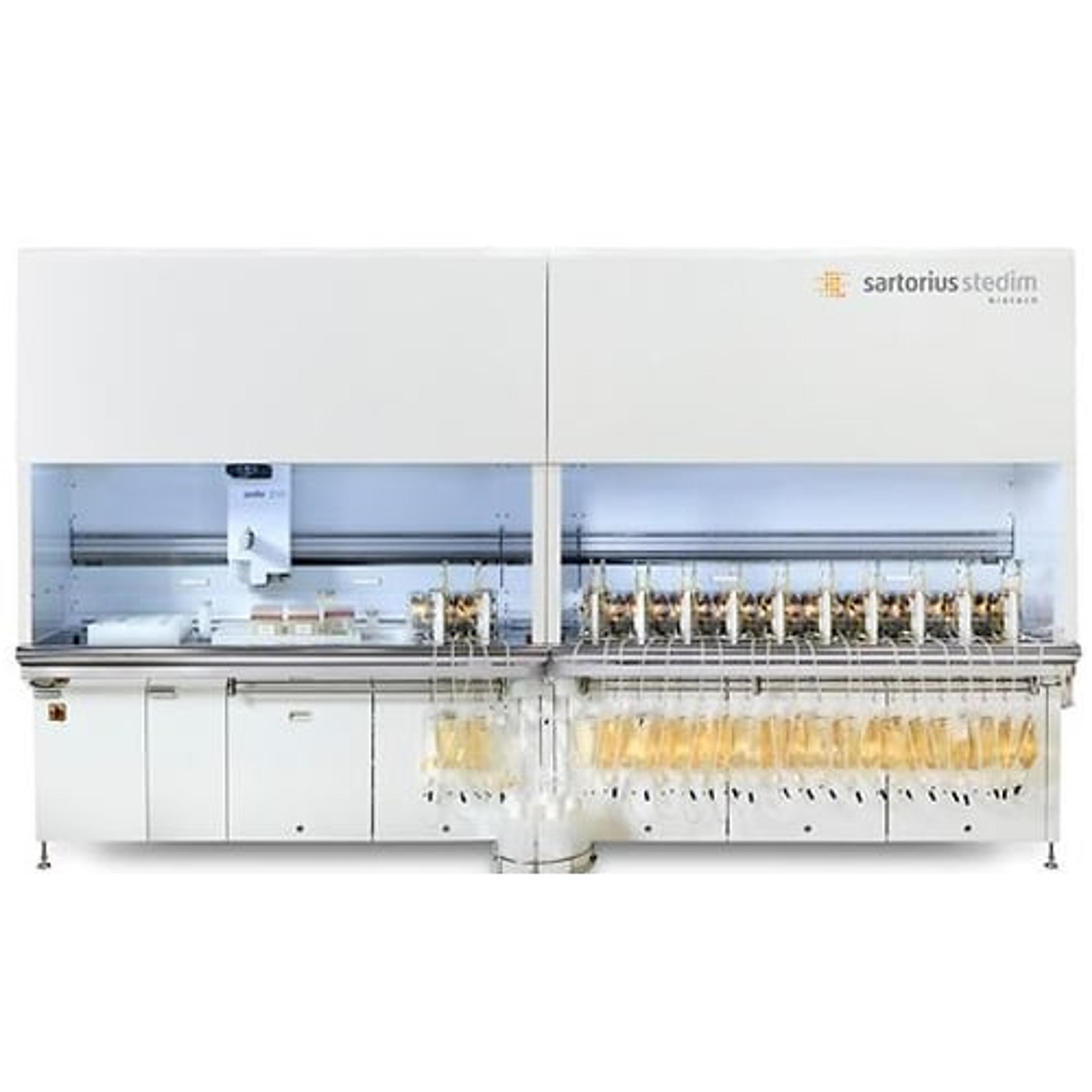
ambr® 250 is a new bioreactor system for parallel fermentation or cell culture using 100-250mL single-use bioreactors controlled by an automated liquid handling platform.The new system, developed with two major industrial partners, builds on the original ambr® microscale technology developed by TAP Biosystems (now part of Sartorius Stedim Biotech).

(3)

Links

Tags

Cell Adhesion AssaysCell adhesion assays are used to quantitate attachment and analyze the molecular mechanisms for extracellular matrix adhesion, cell migration and sensitivity to inhibitors. Find the best cell adhesion assay equipment in our peer-reviewed product directory: compare products, check customer reviews and receive pricing direct from manufacturers.Cell / Tissue CultureCell culture or tissue culture is used to study the biology of cells or tissues and to isolate cellular products in an environment which can be manipulated and well defined. Accurately control your culture environment with bioreactors or culture incubators, bind your cells to a surface or together with an extracellular matrix. Distinguish cell types with differential media or proliferate cells with certain characteristics using selective media. Enrich your media with supplements such as growth factors, sera and vitamins. Find the best cell and tissue culture products, kits and equipment in our peer-reviewed product directory: compare products, check customer reviews and receive pricing direct from manufacturers.Genome AnalysisGenomics, the study of genomes, includes functional genomics, evolutionary genomics and comparative genomics. There are many genomic technologies such as DNA sequencing of whole genomes, computational biology and bioinformatics. DNA and nucleic acids must be isolated and concentrated from cells for analysis with kits, automated analyzers and software. Other useful technologies for studying genomics include PCR, microarrays and electrophoresis.Cell Lines Stem Cells and Primary CellsPrimary cell cultures, established cell lines and stem cells are vital for <i>in vitro</i> and <i>ex vivo</i> experimentation. High-quality cells, optimized for your applications, alongside optimized cell substrates, growth medium and supplements, are critical for experimental success. Explore a range of cells suitable for your applications, including isogenic cell lines, competent cells, induced pluripotent stem cell (iPSC)-derived cell lines, fungal/bacterial/mammalian cell lines, stem cells and cancer cell lines. Find the best cells for your research in our peer-reviewed product directory: compare products, check customer reviews and receive pricing direct from manufacturers.Cellular PathologyCellular Pathology deals with the microscopic analysis of tissue samples and cells. Sample preparation and processing includes fixation, staining, sectioning and slide mounting, using equipment such microtomes and cryostats. In choosing immunohistochemistry and immunocytochemistry kits, consider chromogens, staining method, antibodies, microscopes and imaging.Cell-Based AssaysCell-based assays are used to monitor the presence, quantity and activities of a desired cellular analyte including drug molecules or biomarkers. This can reveal information on cell health (apoptosis, cytotoxicity, viability and proliferation assays), cell metabolism, cell migration and cell signaling mechanisms. Find the best cell-based assay products, kits and equipment with our peer reviewed product directory: compare products, check customer reviews and receiving pricing direct from manufacturers.Gene Expression and Molecular CloningMolecular cloning is a set of techniques that utilizes vectors to transfer recombinant DNA into host cells and is an essential tool for investigating the expression of genes and proteins in bacterial or mammalian cells. A variety of vectors optimized for gene cloning and expression in a range of host organisms are available, alongside competent cells for genetic replication. Here, you can explore a range of molecular tools, high-quality genomic and cDNA libraries, premade clones, transformation and transfection reagents and mutagenesis or gene expression detection assays and expression arrays. Find the best gene expression and molecular cloning products in our peer-reviewed product directory: compare products, check customer reviews and receive pricing direct from manufacturers.Clinical ChemistryBiochemistry (or clinical chemistry) involves the analysis of bodily fluids using chemical tests. Techniques used include HPLC, chromatography, spectroscopy, mass spectrometry, immunochemical, electrophoresis, turbidometric / spectrophotometric assay, MRI and ISE analysis. Tests are often carried out on plasma or serum but urine (urinalysis) and fecal specimens are also processed.Clinical GeneticsMolecular Genetics covers the analysis of hereditary genetic disease and chromosomal abnormalities. Genetics can be analysed using DNA, RNA, and protein microarrays, PCR, RT PCR and DNA sequencing. Genetic equipment includes genetic workstations, thermal cyclers, cooling blocks and electrophoresis products. Diagnostic kits are used for DNA / RNA extraction and purification.Clinical MicrobiologyMicrobiology is the study of microorganisms including protists, prokaryotes, fungi, and, often, viruses. Microorganisms are a useful research tool as genetic vectors and, in immunology, for antibiotic susceptibility testing, cellular biology and genetics. Microorganisms commonly grow readily in incubators with microbial culture media; this can contain chromogenic supplements to differentiate between cell lines. Estimate your culture’s density of microorganisms with colony counters, or screen and select colonies for desirable clones with automated colony pickers. Additionally, equipment is available to monitor environments for the presence of microbes and identify with microbial identification instruments. Find the best microbiology products in our peer-reviewed product directory: compare products, check customer reviews and receive pricing direct from manufacturers.hMSCCell AnalysisThe analysis of cells allows researchers to understand the factors which contribute to cell health and function. These influencing processes can then be predicted and altered, leading to the development of medication and disease treatments.Stem Cell ResearchStem cells have the ability to produce identical daughter cells as well as progeny, which commit and differentiate. Stem cell research has exciting prospects of biomedical applications in cellular disease modeling, pharmaceutical screening, and regenerative medicine. Regenerative MedicineCollaboration