
Sapio Sciences makes AI-native drug discovery seamless with NVIDIA BioNeMo
Integration of the NVIDIA BioNeMo platform enhances AI capabilities across the drug discovery lifecycle
21 Mar 2025
Sapio Sciences has integrated the NVIDIA BioNeMo platform into the Sapio Lab Informatics Platform, embedding AI-driven computational drug discovery directly within the Sapio ELN (Electronic Lab Notebook). This collaboration enables researchers in pharmaceutical and biotechnology organizations to access advanced generative AI models for molecular modeling and protein structure prediction in one unified environment, helping streamline drug discovery workflows, improve decision-making, and accelerate the transition from discovery to development.
AI-powered drug discovery with NVIDIA BioNeMo
By incorporating the NVIDIA BioNeMo platform, the Sapio Lab Informatics Platform gives scientists access to science-specific AI frameworks, pre-trained models, and generative AI tools that support faster and more accurate identification of potential drug candidates. NVIDIA BioNeMo provides a framework for training and deploying large biomolecular language models at supercomputing scale, enabling researchers to enhance target selection and optimize molecules using AI-driven insights.
Embedded in silico tools within Sapio ELN
The integration of BioNeMo into the Sapio Platform delivers embedded in silico capabilities directly inside Sapio ELN. Researchers can generate novel candidate molecules early in the research process and test their docking with a target protein without leaving their primary lab informatics environment. With AI-driven molecular simulations available in a single, unified workflow, teams can streamline processes, enhance innovation, and reduce the time required to move from discovery to development.
Access to BioNeMo NIM microservices and generative AI models
Within Sapio ELN, scientists can access BioNeMo NIM microservices to rapidly identify and optimize drug candidates using AI-driven molecular modeling. Available models include AlphaFold2 NIM for predicting accurate 3D protein structures, MoIMIM NIM for the design and optimization of small molecules, and DiffDock NIM, an AI-powered docking model developed by MIT. These models provide researchers with powerful AI tools without extensive setup, supporting faster, more efficient research workflows.
Advancing pharmaceutical research with AI
Anthony Costa, Director, Digital Biology at NVIDIA, said, “Integrating BioNeMo into Sapio’s AI-driven research platform gives scientists access to advanced generative AI models for drug discovery. With AlphaFold2, MoIMIM, and DiffDock NIMs, researchers can predict, optimize, and validate drug candidates with greater speed and accuracy. This work underscores AI’s growing role in transforming pharmaceutical research and accelerating the path to breakthrough treatments.”
Want the latest science news straight to your inbox? Become a SelectScience member for free today>>
Related products
Request Quote for All Products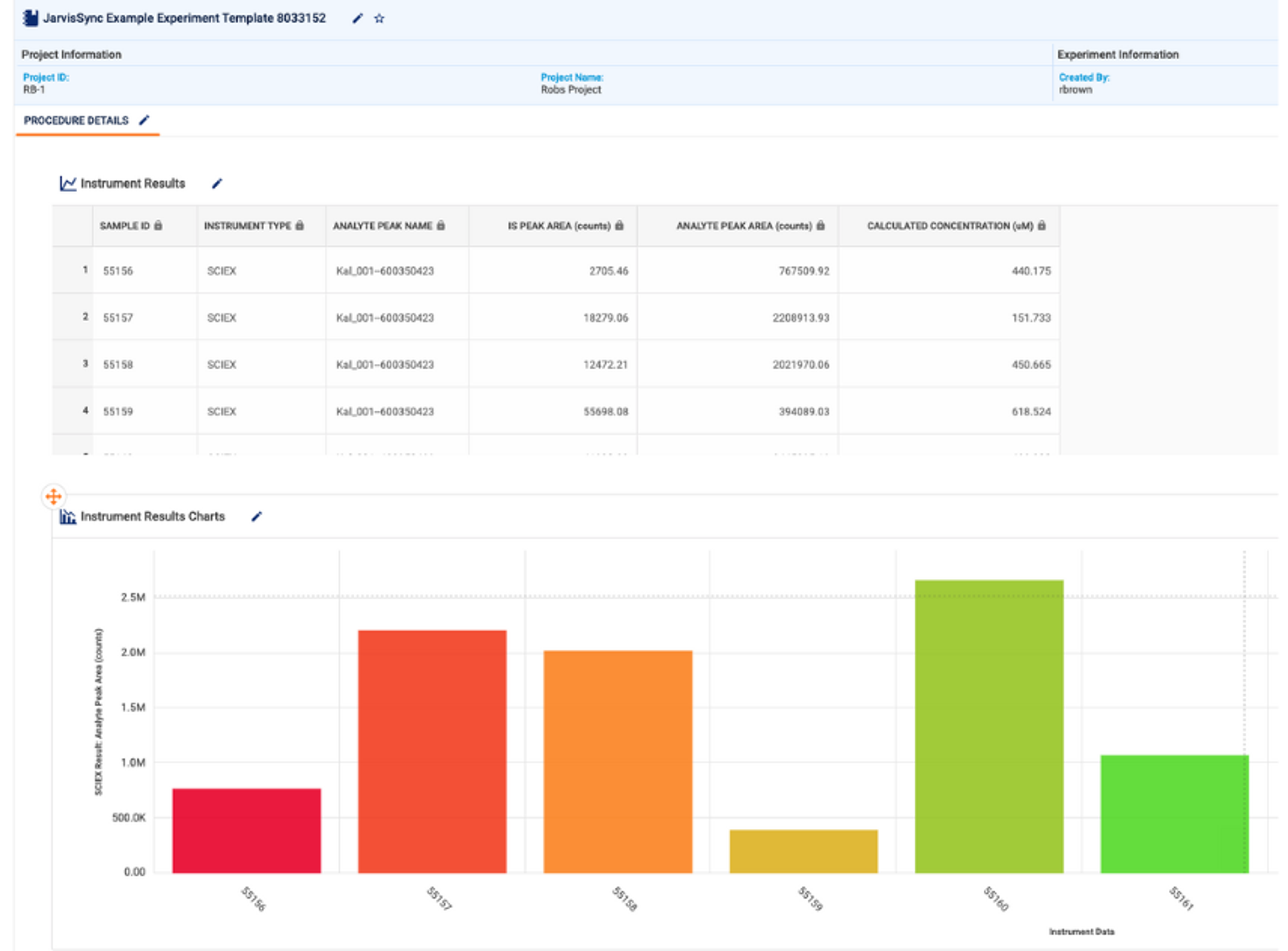
Sapio LIMS
Sapio SciencesSapio LIMS is a configurable, open, and easy-to-use LIMS platform. It supports the entire laboratory workflow, from request to sample preparation to analysis and reporting. Sapio LIMS has powerful no-code configuration, making it easy to set up to support your laboratory’s unique requirements. And with a range of out-of-the-box applications, such as NGS and in vivo, you can quickly start making the most of Sapio LIMS.
Links
Tags
Frequently asked questions
Show frequently asked questions
How does the integration of NVIDIA BioNeMo with the Sapio Lab Informatics Platform enhance AI-powered drug discovery?
The integration of NVIDIA BioNeMo into the Sapio Lab Informatics Platform embeds AI-driven computational drug discovery directly within the Sapio ELN (Electronic Lab Notebook). This gives researchers in pharmaceutical and biotechnology organizations access to science-specific AI frameworks, pre-trained models, and generative AI tools for molecular modeling and protein structure prediction in a single, unified environment. By supporting faster and more accurate identification of potential drug candidates, the collaboration helps streamline drug discovery workflows, improve decision-making, and accelerate the transition from discovery to development.
What in silico capabilities are embedded in Sapio ELN through NVIDIA BioNeMo, and how do they streamline drug discovery workflows?
The integration of BioNeMo into the Sapio Platform delivers embedded in silico tools directly inside Sapio ELN, including AI-driven molecular simulations, molecular modeling, and protein–ligand docking capabilities. Researchers can generate novel candidate molecules early in the research process and test their docking with a target protein without leaving their primary lab informatics environment. Having these AI-powered in silico tools available in a single, unified workflow enables teams to streamline processes, enhance innovation, and reduce the time required to move from discovery to development.
Which NVIDIA BioNeMo NIM microservices and generative AI models are available in Sapio ELN, and what roles do they play in pharmaceutical research?
Within Sapio ELN, scientists can access BioNeMo NIM microservices to rapidly identify and optimize drug candidates using AI-driven molecular modeling. Available models include AlphaFold2 NIM for predicting accurate 3D protein structures, MoIMIM NIM for the design and optimization of small molecules, and DiffDock NIM, an AI-powered docking model developed by MIT. According to Anthony Costa, Director, Digital Biology at NVIDIA, integrating these BioNeMo NIMs into Sapio’s AI-driven research platform allows researchers to predict, optimize, and validate drug candidates with greater speed and accuracy, underscoring AI’s growing role in transforming pharmaceutical research and accelerating the path to breakthrough treatments.