
Roche 454 Sequencing Systems Used to Resolve Genetic Mutations in Blood Cancer
11 Dec 2012International study presented at American Society of Hematology Meeting demonstrates the potential of 454 Sequencing Systems to comprehensively characterize an individual’s blood cancer type to guide personalized therapy decisions.
At the American Society of Hematology Meeting (ASH) Roche announced the presentation of results from the large scale study IRON-II through an international research consortium. Based on next generation 454 Sequencing Systems from Roche, the study aims to characterize selected genes in individuals with a wide range of hematological malignancies. The consortium of 26 laboratories from 13 countries in Europe and Asia performed comprehensive analysis of 74 genes in individuals with acute myeloid leukemia (AML), acute lymphoblastic leukemia (ALL), chronic lymphatic leukemia (CLL), chronic myelogenous leukemia (CML), myelodysplastic syndromes (MDS), and myeloproliferative neoplasms (MPN).
The results from over 4,000 cases demonstrate that the highly advanced technology supports the comprehensive molecular characterization of hematological malignancies with high sensitivity and specificity, with the future prospect of guiding more personalized treatment decisions. The study is one of dozens of abstracts and talks using 454 Sequencing Systems presented at the ASH meeting this week.
Researchers from the MLL Munich Leukemia Laboratory, pioneering the adoption of next-generation sequencing to profile blood cancers, are leading the international consortium. Earlier this year, Roche launched a set of sequence-based primer sets co-developed with the MLL for deep genetic variation detection in the TET2, CBL, KRAS, and RUNX1 genes using the GS FLX and GS Junior Systems. The current study is an extension of the previous IRON study which demonstrated the robustness, precision and reproducibility of next generation sequencing with 454 Sequencing Systems for characterization of key genes associated with leukemia (1). It broadens the set of genes from 3 to 74 with a new expanded set of investigative primer plates.
“We are particularly pleased with the performance of the Roche assays in combination with the high quality long read length of the 454 Sequencing Systems. This is the only technology that allows us to resolve complex variations in genes such as RUNX1 or CEBPA and enables us to address questions such as landmark analyses in various mutated genes in hematological malignancies and the development of future prognostic models,” said Dr. Alexander Kohlmann, Head of the Next Generation Sequencing Group at the MLL and coauthor of 28 studies presented at this year’s conference. “One key aspect of the IRON-II study is that we now achieved to standardize gene content via amplicon-based deep-sequencing assays across hematological expert laboratories, including the bioinformatic analysis approaches.”
In addition to the consortium results, the MLL Munich Leukemia Laboratory presented novel sequencing data on various disease types including the role of TP53 and CEBPA mutations in AML, or SF3B1 and NOTCH1 mutations in CLL.
“By applying this novel technology we are now in a position to challenge existing schemes for classification and scoring," said Prof. Torsten Haferlach, cofounder and CEO of the MLL. “We can begin to integrate molecular information into more biologically driven models. Ultimately, this could allow us to individualize our approach to treat our patients.”
“We are pleased with the results of the international study, which continues to evaluate the unique value of 454 Sequencing Systems in blood cancer research,” said Thomas Schinecker, President of 454 Life Sciences, a Roche Company. “We are strongly supporting the community with the development of standardized gene panels for molecular characterization of hematological malignancies, which is an important step towards future routine clinical use.”
(1) Kohlmann A et al. 2011. The Interlaboratory RObustness of Next-generation sequencing (IRON) study: a deep sequencing investigation of TET2, CBL and KRAS mutations by an international consortium involving 10 laboratories. Leukemia. 25(12):1840-8
Related products
Request Quote for All Products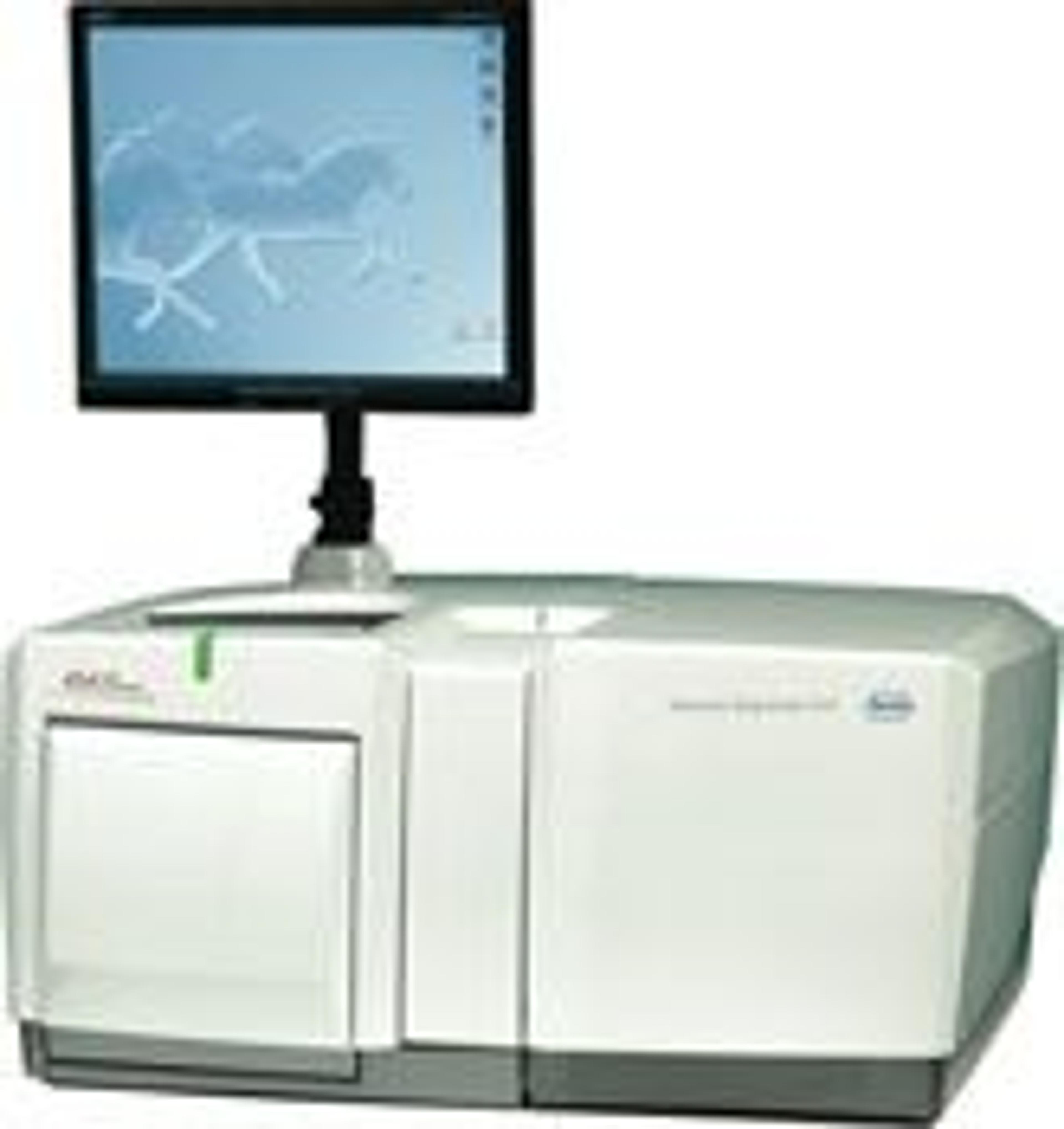
GS FLX+ System
RocheNow delivering sequencing reads up to 1,000 bp in length! The GS FLX+ System features the unique combination of long reads, exceptional accuracy and high-throughput, making the system well suited for larger genomic projects. The GS FLX System has been at the heart of key breakthrough genomic discoveries and over 1,000 peer-reviewed publications to date.Advancements in sequencing chemistry, instrumentation and software offer the latest improvements in GS FLX System performance, with read lengths up to 1 kb. Available as an on-site instrument upgrade or new instrument, the GS FLX+ System is designed for use with both the new long-read Sequencing Kit XL+ and existing Sequencing Kit XLR70.GS FLX+ System Features: True capillary sequencing-like read lengths: Continuous development of the GS FLX Titanium chemistry now offers read lengths up to 1 kb Flexible sequencing formats: Broad selection of gaskets and Multiplex Identifiers (MIDs) enables efficient use of sequencing runs Point-and-click data analysis: Included GS Data Analysis Software for de novo assembly, reference mapping and amplicon variant analysis. Applications: Whole Genome Sequencing: De novo sequencing of large, complex organisms or multiple bacterial genomes in a single run Transcriptome Sequencing: Full-length de novo sequencing and assembly of complex organisms Amplicon Sequencing: High-throughput sequencing of 100s to 1,000s of samples and loci Sequence Capture: Targeted resequencing of whole exomes or large capture regions Metagenomics: Characterization of complex environmental samples; pathogen discovery
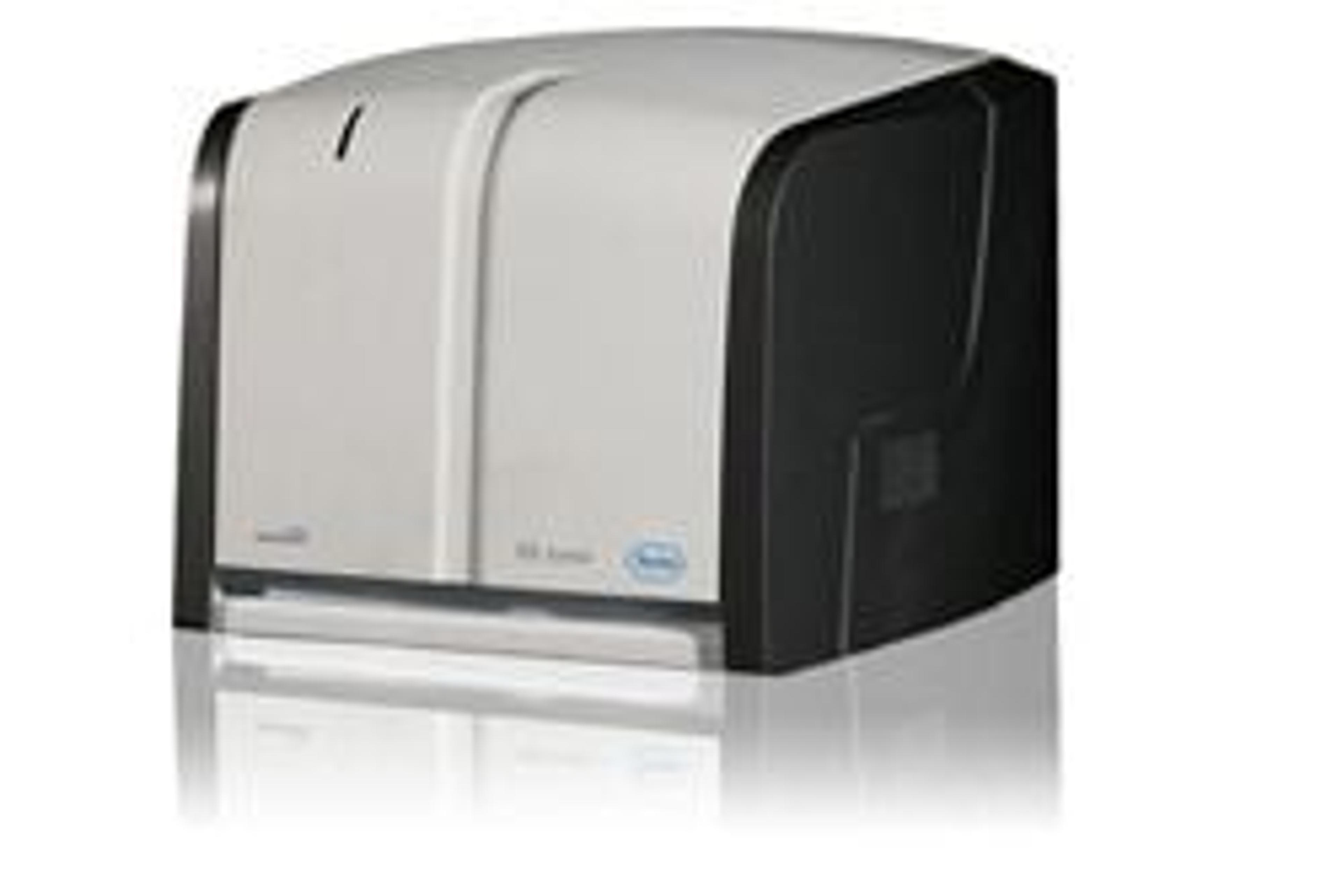
GS Junior System
The power of next-gen sequencing in your hands. The GS Junior System brings the power of 454 Sequencing Systems directly to the laboratory benchtop. Get comprehensive genome coverage with long 400 bp sequencing reads and quickly proceed from DNA to discovery with fast sequencing runs and straightforward data analysis on the attendant computer.GS Junior System Features: Powered by proven technology: Uses GS Junior Titanium chemistry to deliver high-quality, bioinformatics-friendly, long read data Fits in your lab: Small instrument size, along with low entry and operating costs, enables labs with limited budget and infrastructure to take advantage of next gen sequencing Easy to use: Manageable data size allows processing and analysis right on the attendant computer without the need for specialized computing or network infrastructures Point-and-click data analysis: Includes the GS Data Analysis Software for de novo assembly, reference mapping and amplicon variant analysis Applications: Amplicon Sequencing: Targeted sequencing of 10's - 100's of samples and loci Sequence Capture: Targeted sequencing of custom array regions Whole Genome Sequencing: De novo sequencing and resequencing of microbial organisms (bacteria, fungi, viruses) Metagenomics: Characterization of complex environmental samples; pathogen discovery Transcriptome Sequencing: Full-length sequencing and de novo assembly of transcripts