
Redefining bioseparations science with MaxPeak Premier Solutions
Watch this free on-demand webinar to uncover the benefits of a bioinert LC system for biopharmaceutical-based separations
2 Dec 2021

Due to the increased pressure requirements of running UHPLC, most systems are comprised of a combination of metals including stainless steel, MP35N (a nickel-cobalt alloy), and titanium. While there are benefits to using these materials, it is well known that many biopharmaceutical compounds, such as oligonucleotides and phosphopeptides, can have undesirable interactions with metal-containing chromatographic surfaces.
In this SelectScience webinar, now available on demand, Jennifer Simeone and Jacob Kellett, from Waters Corporation, describes how MaxPeak™ Premier Solutions reduce metal-analyte interactions to improve the reproducibility, recovery, and overall peak shape in biopharmaceutical-based assays. Simeone and Kellett discuss techniques to assess system inertness before analysis and will differentiate biocompatible versus bioinert LC systems.
Watch on demandThink you’d benefit, but missed the live event? Register now to watch the webinar at a time that suits you or read on for highlights from the Q&A session.
How do I identify analyte adsorption in my separations?
JK: You must have information about your analyte because these metal interactions tend to happen with certain functional groups, in particular, acidic groups. Some of the symptoms of adsorption include peak tailings and peak shape issues. A decreased recovery from what is anticipated or an increase in peak areas over subsequent injections are also clues that perhaps some of your analyte is being absorbed into your system. Waters has developed a test that utilizes both a metal-sensitive compound, adenosine 5’-(α,β-methylene)diphosphate (AMPcP), and caffeine so that you can differentiate any mechanical issues of the system from analyte interactions.
What is the difference between the ACQUITY™ Premier System and other bioinert systems?
JK: Other biocompatible systems use bioinert materials in their fluidics path. These are typically metals, such as stainless steel, MP35N (a nickel-cobalt alloy), and titanium, or the system will use peak fittings. Both MP35N and titanium can still form metal-ion bonds that cause adsorption issues with the analyte and peak fluidic paths can't withstand the high pressure associated with UPLC™ separations. Anything above 9,000 PSI isn't recommended with peak fittings. The ACQUITY Premier system is fully bioinert and optimized for UPLC separations.
As well as improvements in peak recovery and peak shape. Are there any other benefits of using the ACQUITY Premier System?
JK: Aside from peak recovery and peak shape, we also see improvements in reproducibility between replicate injections and across multiple ACQUITY Premier Systems. We have also noticed, as a side effect of having the hybrid surface barrier layer, a reduction in iron oxide in our mass spectrum data which comes from reducing the exposed metal surfaces in the LC system.
To learn more about the benefits of a bioinert LC system, watch the full webinar here>>
SelectScience runs 10+ webinars a month across various scientific topics, discover more of our upcoming webinars>>
Related products
Request Quote for All Products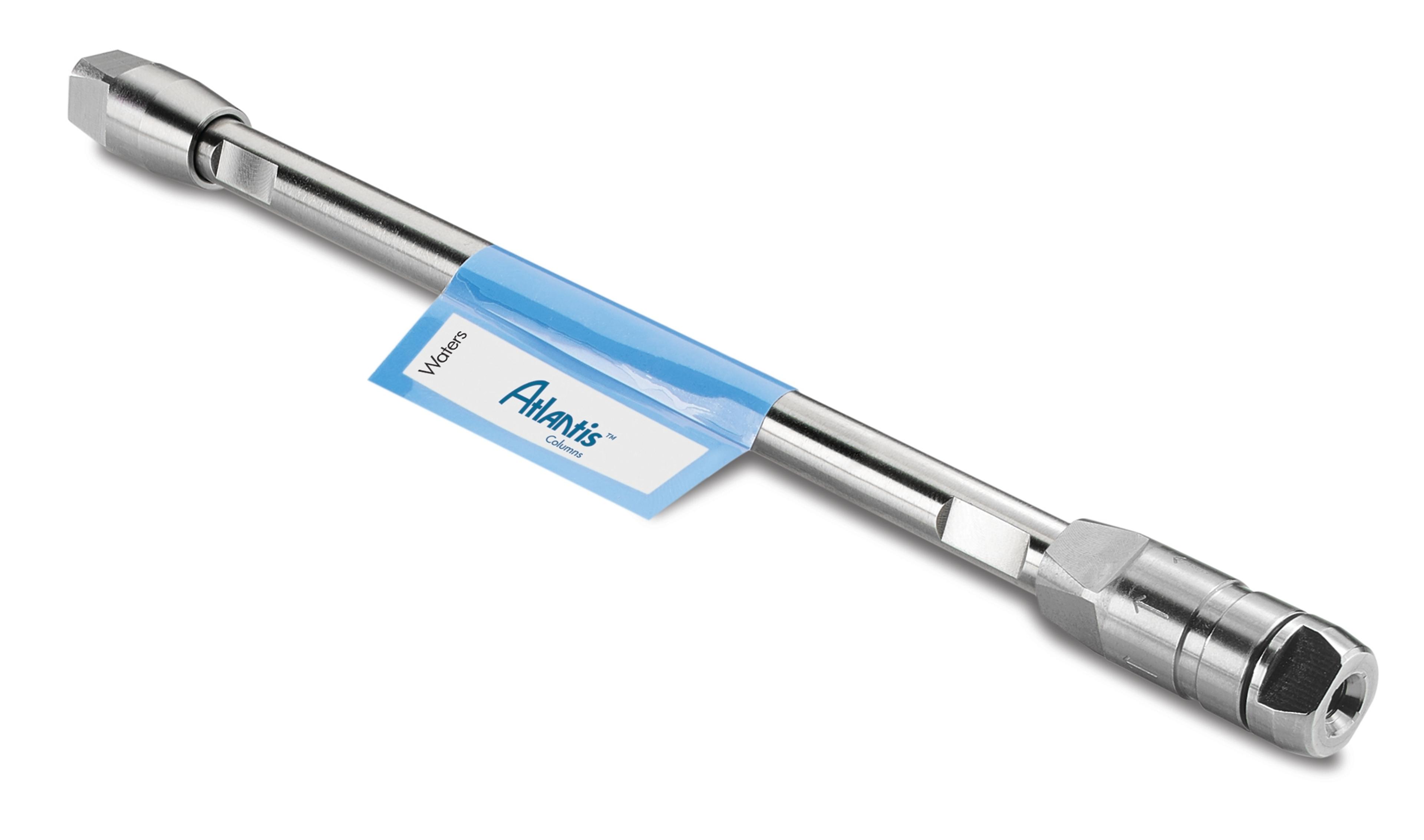
Atlantis Premier Columns
WatersSolving one of the most challenging chromatographic problems, retaining polar compounds
ACQUITY Premier System
WatersAlong with the reliability, ruggedness, high quality, and configuration flexibility you expect from the ACQUITY™ UPLC™ PLUS Series, the Waters™ ACQUITY Premier System delivers a step change in chromatographic performance, lab efficiency, and risk control.