
OGT unveils NGS automation to streamline library preparation
Delivering reduced hands-on time, more consistent results, and higher sample throughput
29 Sept 2026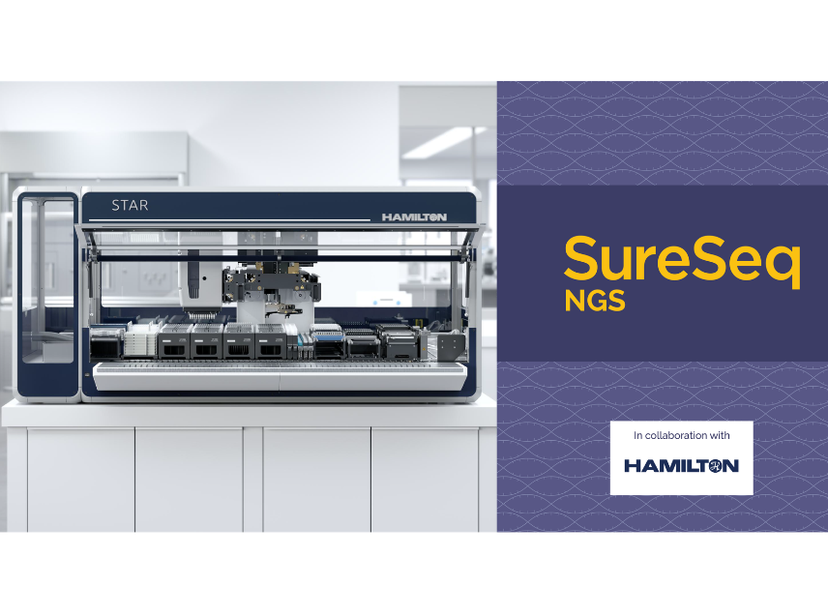
SureSeq™ NGS portfolio
OGT has unveiled next-generation sequencing (NGS) automation capabilities across its SureSeq™ NGS portfolio, compatible with the Hamiton NGS STAR Line. The latest advancement in OGT’s ongoing SureSeq investment, these automated workflows help laboratories optimise resources and deliver turnaround time targets.
Rising sample volumes are putting clinical research labs under pressure. Maintaining consistent throughput while managing labor-intensive library preparation is a growing bottleneck, one that OGT has addressed head-on.
Developed in close collaboration with laboratory partners and workflow specialists, automation-enabled SureSeq workflows remove manual intervention at the most time-consuming stages of NGS library preparation, supporting high-throughput processing across multiple sample types.
The result is a faster, more consistent process for NGS results without additional resource burden.
“NGS automation is essential for high-volume labs to get the most out of their NGS analysis," said Adrian Smith, CEO of OGT. "By removing labour-intensive manual steps, labs can dramatically increase capacity, improve reproducibility and consistency allowing them to focus their teams where it matters most."
Combined with OGT’s wide range of hematological malignancy-focused SureSeq NGS panels, including the recently launched SureSeq Myeloid MRD Plus NGS Panel, SureSeq solutions give clinical research labs the throughput and confidence to extract clear, comprehensive genomics insights at scale.
Want the latest science news straight to your inbox? Become a SelectScience member for free today>>
Links
Tags
Frequently asked questions
Show frequently asked questions
How does OGT’s NGS automation streamline SureSeq library preparation?
OGT’s automation-enabled SureSeq™ workflows remove manual intervention from the most time-consuming stages of NGS library preparation. Compatible with the Hamilton NGS STAR Line, they support high-throughput processing across multiple sample types, helping clinical research laboratories increase capacity, improve consistency, and meet turnaround-time targets.
Which OGT SureSeq NGS panels support hematological malignancy research?
OGT offers a wide range of hematological malignancy-focused SureSeq NGS panels, including the recently launched SureSeq Myeloid MRD Plus NGS Panel. Combined with automated workflows, these solutions help clinical research laboratories obtain clear, comprehensive genomics insights at scale.
What benefits does SureSeq NGS automation provide to high-volume laboratories?
SureSeq NGS automation helps high-volume laboratories optimize resources, increase throughput, and reduce the burden of labor-intensive library preparation. According to OGT CEO Adrian Smith, removing manual steps can improve capacity, reproducibility and consistency while allowing laboratory teams to focus on higher-priority work.