
New Software for Rapid AST Measurement and Antibiotic Sensitivity Prediction
Premiers on Synbiosis Stand 902 at ASM 2015
10 May 2015Synbiosis, a long-established, expert manufacturer of automated microbiological systems, is premiering its mASTer (measuring Antibiotic Susceptibility Testing easily and rapidly) software for the ProtoCOL 3 automated zone measurement system on Stand 902 at ASM 2015 on May 30th – June 2nd. This revolutionary software is designed to quickly and simply measure zones around antibiotic discs and then automatically predict antibiotic resistance from the results.
On stand, Synbiosis technical staff will be showing how the ProtoCOL 3 system’s new mASTer software can accurately measure zones around antibiotic sensitivity discs. They’ll demonstrate how, at the touch of a button, the results can be automatically compared to data from all the tested organisms that have breakpoint values in the EUCAST database. Then, they’ll explain how the mASTer software lists which antibiotics the bacteria are sensitive to, in less than half the time it would normally take to perform these tasks manually.
The new mASTer software for the ProtoCOL 3 being launched at ASM is GLP compliant. The software generates zone measurements and plate images which can be transferred and stored in Excel to eliminate keying and data transfer errors, as well as provide a full audit trail and reports. The archived results can be analysed at a later date and their use is ideal in laboratories wanting to monitor bacterial resistance trends.
For food and environmental microbiologists looking for an affordable system for automated colony counts and identification of microorganisms, the new Protos 3 will be on stand. Synbiosis staff will show that the system attaches easily to a computer and requires minimal training to set up. They will also explain how the Protos 3 combines a sensitive CCD camera with unique three colour LED lighting to rapidly generate precise counts and identify colonies cultured on chromogenic plates and that the results can be transferred and stored in Excel, providing accurate, traceable data.
“Manual processing and recording the results of ASTs, colony counts or microbial identification are repetitive and also error prone activities if undertaken at scale,” stated Kate George, Divisional Manager at Synbiosis, “we’re excited to be premiering our revolutionary mASTer software and Protos 3 on Stand 902 at ASM 2015 as solutions to these issues. These time-saving technologies that generate fully traceable data will significantly improve microbial identification and antibiotic susceptibility testing, which could speed up diagnosis, monitoring and treatment of potentially life-threatening infections.”
Related products
Request Quote for All Products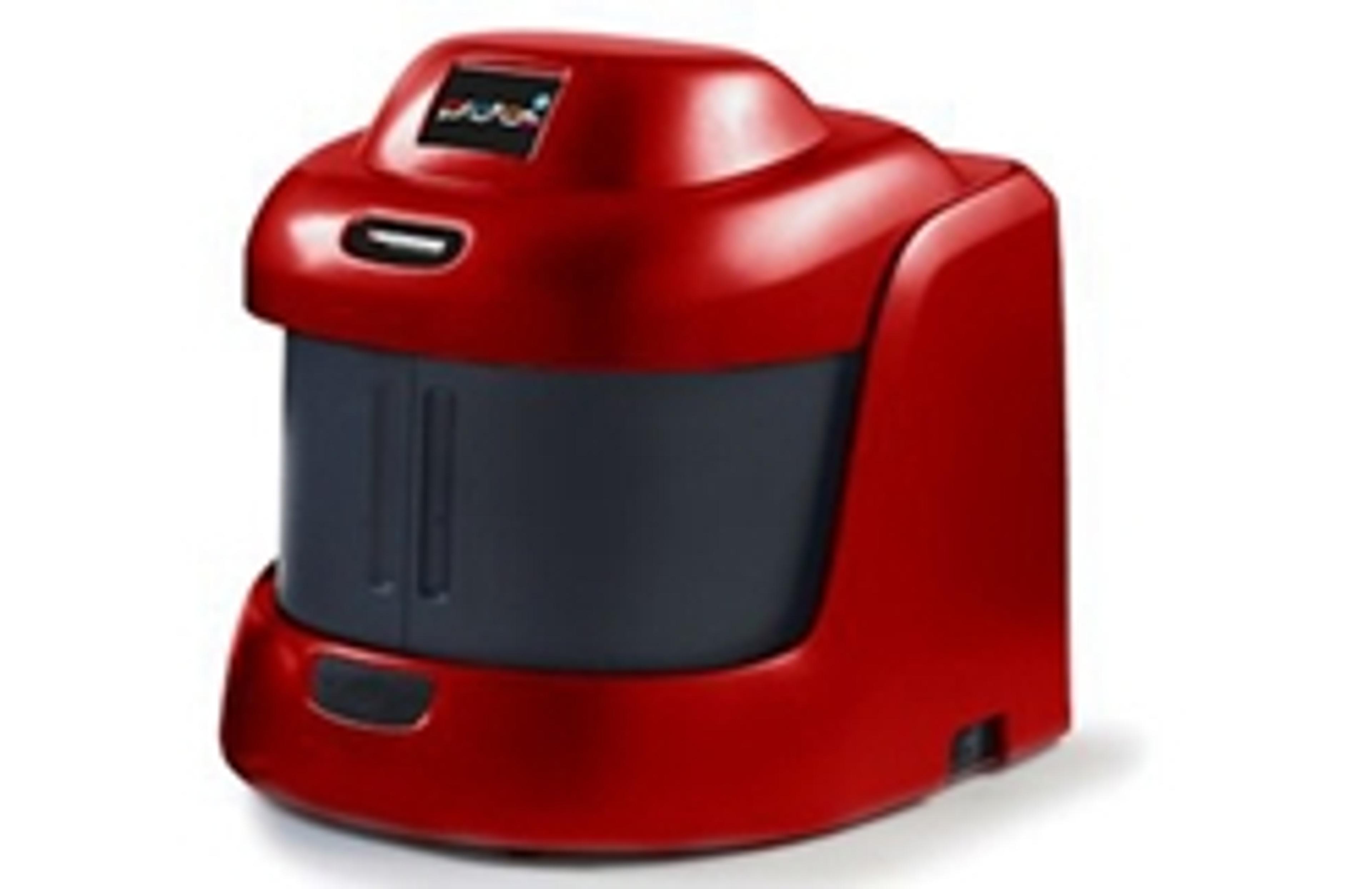
Protos 3
SynbiosisProtos 3 – automated colony counting and chromogenic identification system. Protos 3 is a revolutionary automated colony counter and chromogenic identification system. Using its sensitive CCD camera and unique lighting coupled with powerful analysis software, Protos 3 counts colonies in seconds and automatically identifies microbial species by their colour on chromogenic plates. This provides accurate, objective and fully traceable results.The compact Protos 3 attaches via USB to a computer, where microbiologists can input their plate identification and with the one-click colony counting and chromogenic ID software can rapidly analyse a wide range of plate types. The count results can be automatically transferred to Excel where the count, plate ID and images can be saved. This GLP compliant process, with its full audit trail eliminates transcription errors to provide accurate, objective data, which can be reviewed at any time and used to produce professional reports.Protos 3 can be used with both small and large plates (up to 150mm) to read a range of format types including spiral, pour, spread and dilution series plates. The system’s camera is so sensitive it can routinely detect colonies as small as 43 microns and the unique LED lighting system and Protos 3 software allows analysis of an infinite number of colonies on one plate in seconds, making this an ideal system for use in busy food and environmental microbiology laboratories.Key features: Fully traceable results Increases throughput Excellent detection performance Reproducible results Simple to use Multiple plate reading functions