
New 48-Way Cryovial Filling For Cell Banking - GMP Validatable System
9 Mar 2011Fill-It 48-way is a new bench top system to rapidly dispense cell suspensions from bulk stock into cryovials, as well as decapping and recapping ready for cell-banking. Fill-It supports cell line development projects in GMP laboratories, and is compatible with tubes from all major labware manufacturers.
How much time can Fill-It save your laboratory?
Use the Fill-It Online Calculator to see how rapidly you can dispense cell suspensions from bulk stock into cryovials.
By arrangement, Fill-It can be evaluated in your laboratory.
After requesting an evaluation, one of our specialists will contact to discuss the evaluation process in more detail.
Fill-It key features and benefits include:
• Significantly reduces QC costs by enabling rapid creation of larger batches of cryovials for cell banking
• Maintains the quality of cells by minimising the time they are in contact with cryopreservatives
• Supports H&S policy by addressing the risk of RSI from manual capping and decapping of large amounts of cryovials
An exclusive video demonstration of the new Fill-It 48, 24 and 96-way versions in use can be viewed online. It shows how simple and straightforward the system is to use and features the key processes of dispensing and decapping/ recapping screw-cap tubes.
Related products
Request Quote for All Products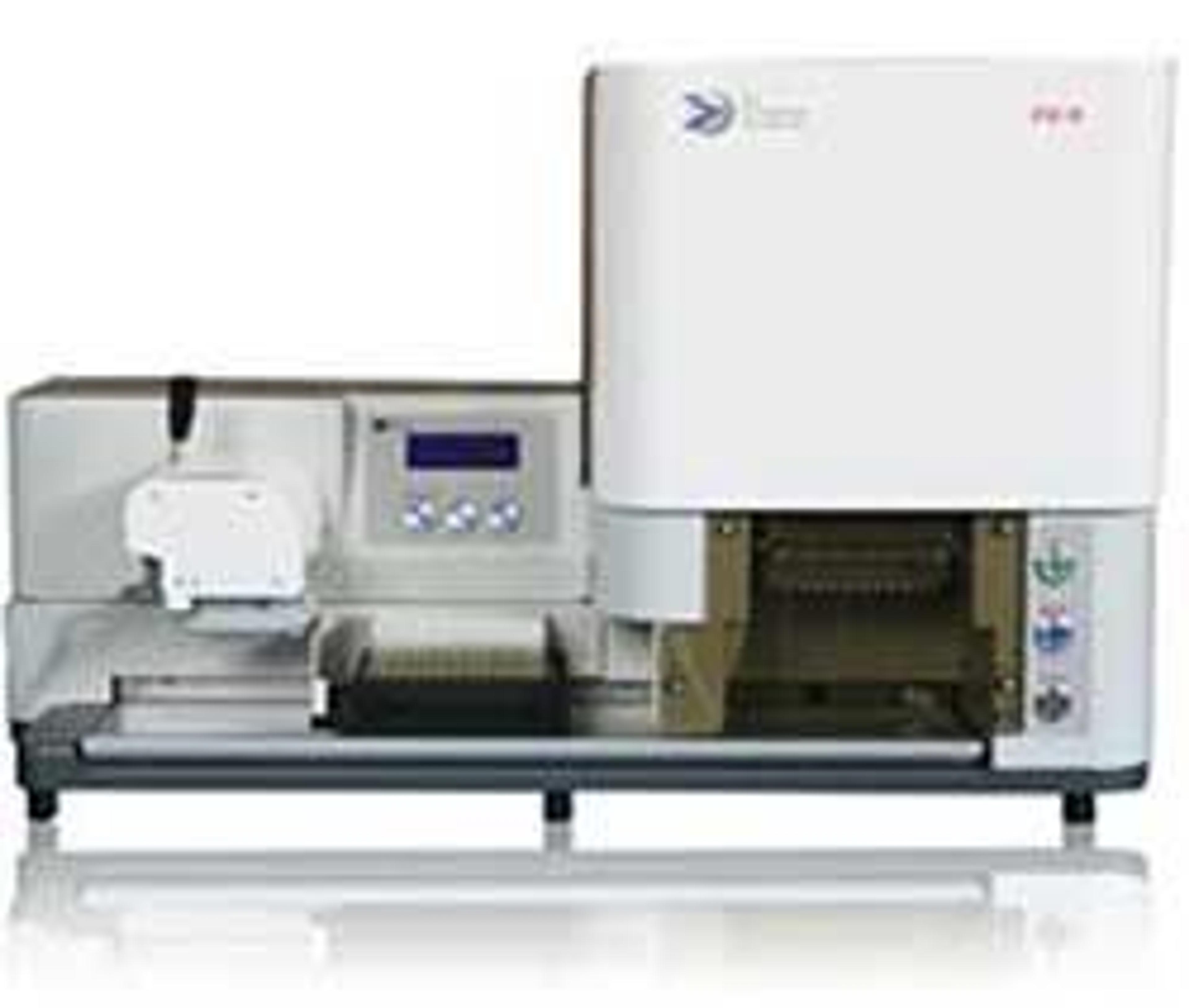
Fill-It Automated screw-cap cryovial filling system
TAP BiosystemsFill-It - is an automated benchtop system for filling screw-cap cryovials. Fill-It is designed to help create cell banks of higher quality, consistency and viability. It combines proven decap / recap modules with aseptic liquid handling. Fill-It removes all screw caps simultaneously and then dispenses into multiple cryovials in parallel. Compatible with Corning, Greiner, Micronic, Matrix, Nalgene, Nunc and Sarstedt screw-cap cryovialsKey benefits:• Creates consistent, high quality cell banks • Reduces risk of repetitive strain injury (RSI) • Helps maintain sample integrity due to lower risk of contamination when compared to manual processing. • Improves lab productivity by enabling larger batch runs.