My Lab Essentials: Fighting Fire With Fire − Treating Bacterial Infections With Killer Microbes

Reprogramming microbes for innovative therapies

1 Sept 2015


Lois Manton-O'Byrne, PhD
Executive Editor

Editorial article

Dr Matthew Wook Chang, Associate Professor from the National University of Singapore

In 2010, more than 10 million people died of an infectious disease, and despite the advances of modern antibiotics, bacterial-based infections are still a huge threat to the world’s health. Even without the increase in bacterial resistance to these modern treatments, around 80% of bacterial infections involve development of biofilms. These protective films prevent the body from fighting the infection and healing itself − a problem to which Matthew Wook Chang, Associate Professor from the National University of Singapore, thinks he may have an answer.

What Prof. Chang is doing in his lab in the Department of Biochemistry sounds almost like science-fiction − reprogramming microbes to target other microbes that could be indicative of illness. Biofilm infections are very difficult to treat but unfortunately "are a threatening feature of many infectious pathogens, protecting the microbe against antibiotics and providing a reservoir of cells for persistent and recurring infections", explains Prof. Chang. “They can form on both abiotic and biotic surfaces, and can also form on medical devices such as catheters and implants," where they can lead to patients developing infections at a higher rate.

Advances in synthetic biology
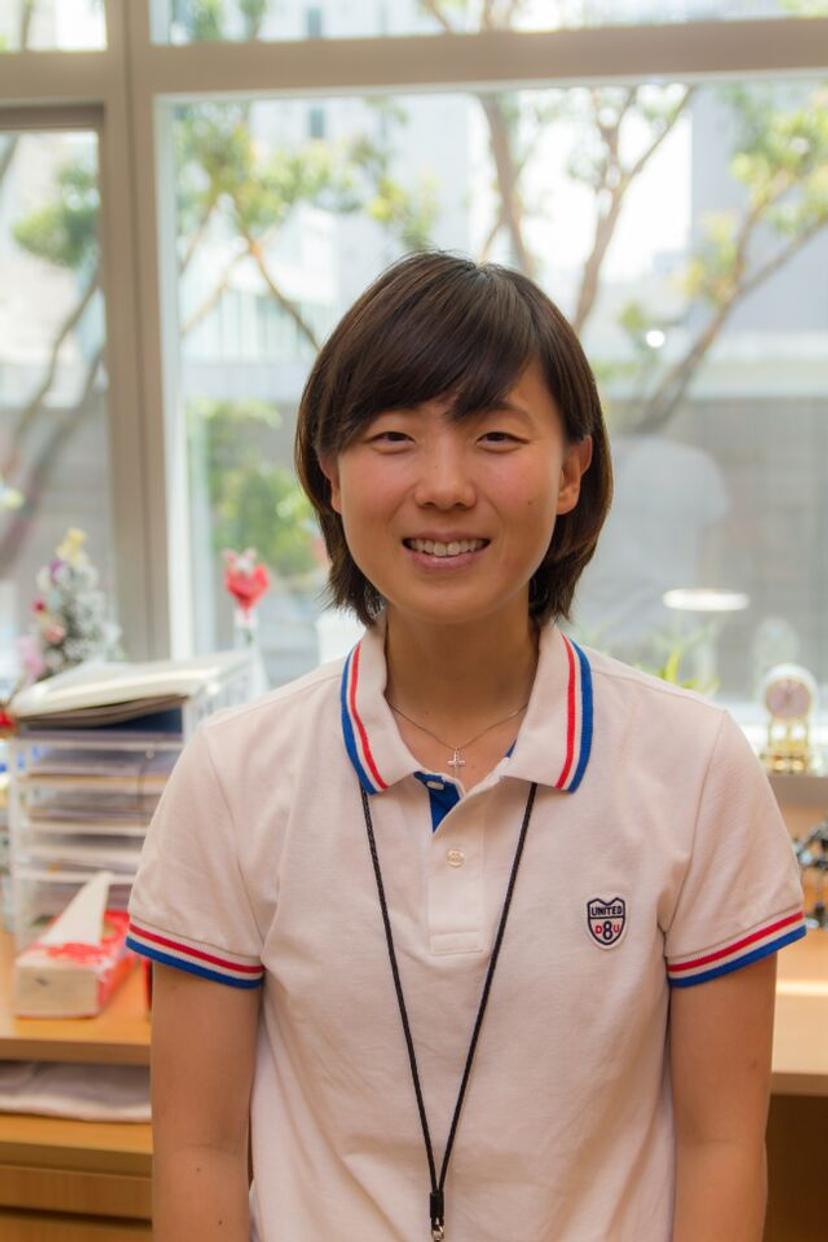
Dr In Young Hwang, Research fellow, University of Auckland

"Synthetic biology provides excellent tools and a platform to mediate therapeutic intervention with precision," revealed Prof. Chang. "The toolsets available for synthetic biology are getting more diverse and comprehensive all the time." These advances, he said, are making genetic manipulation and reprogramming "readily achievable".

"Our body is full of naturally residing commensal microbes, where some are already an excellent guardian of health against harmful microbes," he continued, "and more precise and modular control of the genetic components allows more complex behaviour to be implemented and reprogrammed."

Essentially, Prof. Chang explained, all we are doing is "are tapping into the natural ability of our body to do what it does best". However, his killer microbes will be still classified as GMOs, so their performance and stability will have to be thoroughly studied. In particular, he said, "we may need to be cautious of potential gene transfer that may occur between microbial species".

The route of therapy that has the most potential is "providing a highly specific and localized anti-bacterial therapy" that will have the minimal negative impact on the surrounding microbial community that is beneficial to our health.

Preventative vs reactionary medicine

Where Prof. Chang sees the greatest value is heading off the infection before it has had a chance to establish itself. "Our ‘smart’ microbes could detect the early signs of disease (pathogenesis)," he explained, "and execute early intervention to mitigate the progression." Overall, he continued, his aim is to "maintain human health, re-establishing the homeostasis of the host in the most natural way."

Prof. Chang couldn’t carry out this exciting work without cutting-edge technologies that enable his team to make advances in its research and understanding of microbes.

Here are Prof. Chang's Lab Essentials, the products and technologies he couldn’t work without:

The Agilent 1290 QTof 6550 LC-MS

The Agilent 1260 infinity DAD HPLC system

GC-MS with 7890B GC and 5977 MS from Agilent

Fast protein liquid chromatography with AKTA PURE from GE Healthcare Life Sciences

The Synergy H1 Multi-mode reader from Biotek

The LSM510 confocal scanning light microscope from Zeiss

The Sartorius Biostat B-DCU II

Have you used any of these products? Share your experiences with our community of scientists by writing a review today, or find out more Lab Essentials.

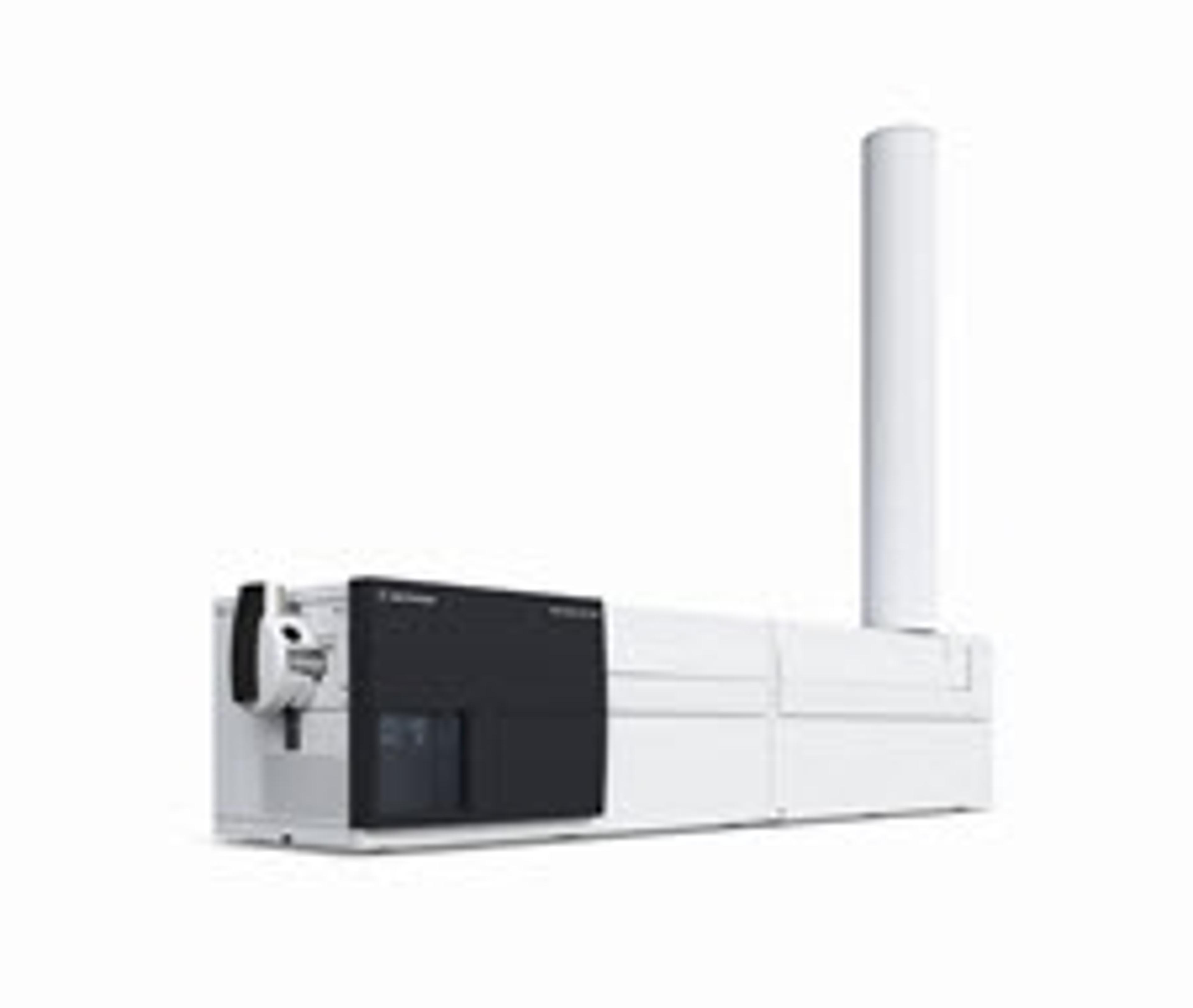
6560 Ion Mobility Q-TOF LC/MS

Agilent Technologies

The NEW Agilent 6560C ion mobility Q-TOF LC/MS system delivers unrivaled separation and selectivity by combining chromatography, ion mobility, and mass spectrometry. The 6560C Q-TOF LC/MS can even uncover structural information that cannot be seen with traditional LC/MS systems, including separation of in-class isomers via high-resolution demultiplexing (HRdm).
(14)

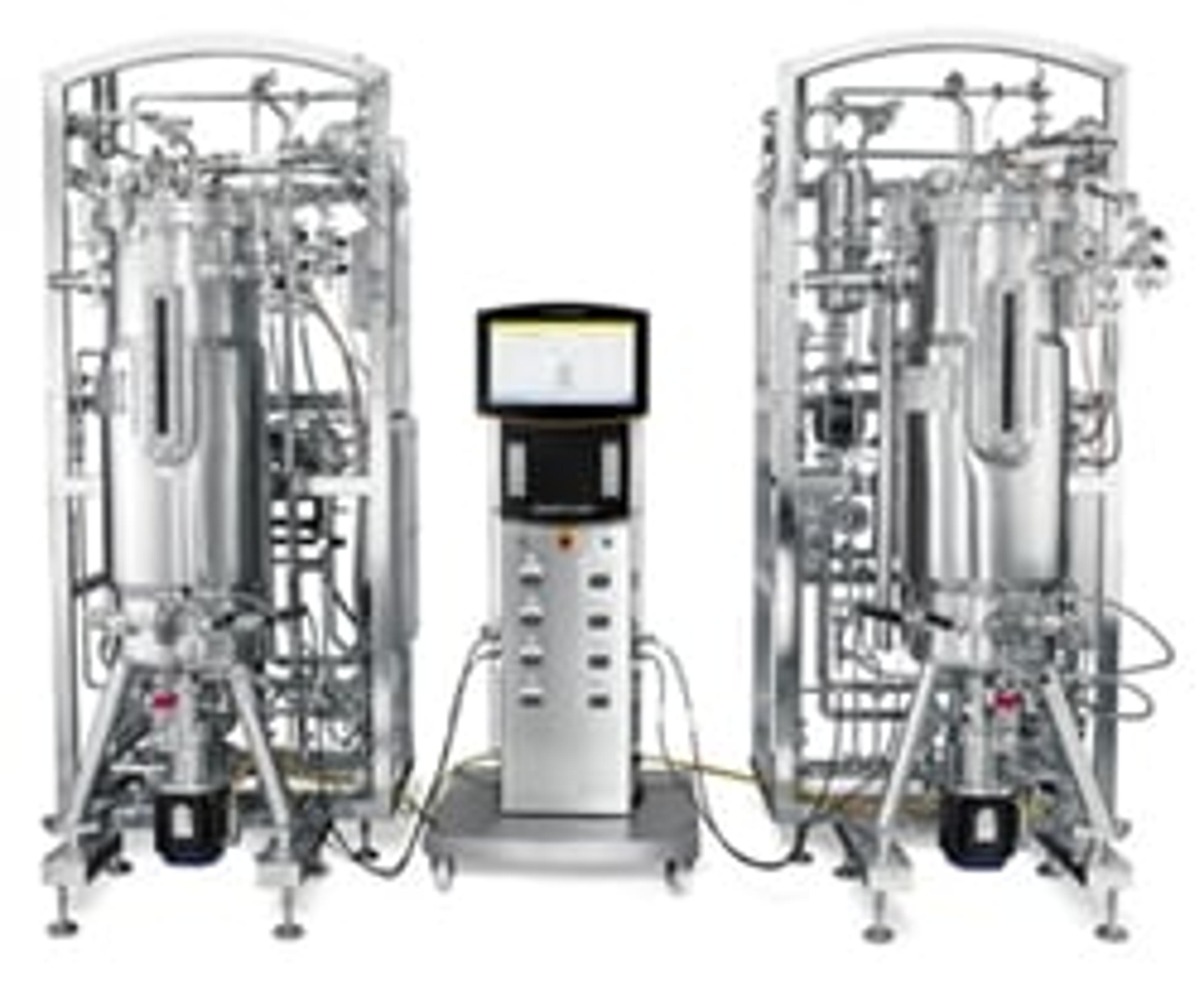
BIOSTAT® D-DCU

Sartorius Group

The BIOSTAT® D-DCU is a compact, bioprocess system available for microbial and cell culture applications with working volumes from 10 to 200L. The BIOSTAT D-DCU incorporates many desirable and advanced features to fulfil virtually any demand for modern bioprocess application, such as: Automatic Sterilization in Place (SIP) and Cleaning in Place (CIP), Dual pH and DO measurement capability, Lid lifting device, WIT-Ready filter housings, Dual exhaust filter housing line, Tube and shell exhaust cooler, exhaust heater, automatic or manual addition arrays as well as other accessories. Furthermore the BIOSTAT D-DCU is designed to interface Single use storage bags for media addition and harvest as well as single use sampling systems. Due to the modular approach, resulting in various configurations; from baseline to fully-featured, the system offers an excellent solution for every budget and every need.Features: Single or Twin configuration 10L, 20L, 30L, 50L, 100L, and 200L working volume For microbial or cell culture applications Automated Sterilization in Place (SIP) Automated Cleaning In Place (CIP) Space saving design Full qualification support

(0)

Links

Tags

UHPLC and HPLCHigh performance liquid chromatography (HPLC) and ultra high performance liquid chromatography (UHPLC), also known as UPLC, are analytical techniques used to separate, identify and quantitate components of complex mixtures including biological samples such as proteins and lipids as well as chemical mixtures of pesticides, drugs and oils. Both techniques are liquid chromatographic methods but differ by operating pressures (HPLC < 6000 psi < UHPLC ). Components of HPLC and UHPLC systems include columns, detectors, pumps, autosamplers and column heaters. Explore a range of UHPLC and HPLC columns for your specific sample needs including reverse phase, normal phase, ion exchange, HILIC, ion exclusion and size exclusion columns. For more specialized HPLC, explore FPLC, countercurrent LC and simulated moving bed systems. Find the best UHPLC and HPLC equipment in our peer reviewed product directory: compare products, check customer reviews and receive pricing direct from manufacturers.LC-MSLC-MS (liquid chromatography-mass spectrometry) systems and equipment are used for separation and quantitative analysis of complex mixtures, combining liquid chromatography and mass spectrometry. Quantify proteins, contaminants, pesticides or screen for drug metabolites with a high level of sensitivity. LC-MS systems and equipment include reverse phase, normal phase and specialized columns integrated with various MS detectors such as time-of-flight (TOF), quadrupole, orbitrap or ion trap mass analyzers. LC-MS/MS instruments equipped with a qTOF or triple quadrupole analyzer give greater sensitivity and resolving power to your analysis. Find the best LC-MS equipment in our peer-reviewed product directory: compare products, check customer reviews and receive pricing direct from manufacturers.MicrobiologyMicrobiology is the study of microorganisms including protists, prokaryotes, fungi, and, often, viruses. Microorganisms are a useful research tool as genetic vectors and, in immunology, for antibiotic susceptibility testing, cellular biology and genetics. Microorganisms commonly grow readily in incubators with microbial culture media; this can contain chromogenic supplements to differentiate between cell lines. Estimate your culture’s density of microorganisms with colony counters, or screen and select colonies for desirable clones with automated colony pickers. Additionally, equipment is available to monitor environments for the presence of microbes and identify with microbial identification instruments. Find the best microbiology products in our peer-reviewed product directory: compare products, check customer reviews and receive pricing direct from manufacturers.ImmunologyImmunological techniques measure and characterize immune responses. Immunology kits and analysis systems often use techniques such as ELISA, radioimmunoassay (RIA) and immunodiffusion assays, Immunohistochemistry, and flow cytometry. Immunologists use equipment such as flow Cytometers, plate readers, plate washers and fluorescent microscopes.Gene Expression and Molecular CloningMolecular cloning is a set of techniques that utilizes vectors to transfer recombinant DNA into host cells and is an essential tool for investigating the expression of genes and proteins in bacterial or mammalian cells. A variety of vectors optimized for gene cloning and expression in a range of host organisms are available, alongside competent cells for genetic replication. Here, you can explore a range of molecular tools, high-quality genomic and cDNA libraries, premade clones, transformation and transfection reagents and mutagenesis or gene expression detection assays and expression arrays. Find the best gene expression and molecular cloning products in our peer-reviewed product directory: compare products, check customer reviews and receive pricing direct from manufacturers.GC-MS GC-MS (gas chromatography-mass spectrometry) instruments and equipment are used to separate, quantify and identify mixtures of small and volatile compounds, such as polycyclic aromatics, fatty acids and alcohols. Often used in drug detection, forensic investigation and environmental analysis for pesticides and contaminants, GC-MS is a powerful addition to your lab’s analytical capabilities. GC-MS/MS instruments equipped with a qTOF or triple quadrupole analyzers can give greater sensitivity and resolution to your analysis. Find the best GC-MS instruments and equipment in our peer-reviewed product directory: compare products, check customer reviews and receive pricing direct from manufacturers.Microbial DetectionMicrobial detection is crucial for identifying and quantifying bacteria, viruses, fungi, and other microorganisms. This process is essential for food safety, environmental monitoring, clinical diagnostics, and pharmaceutical manufacturing. Explore the best microbial detection tools in our peer-reviewed product directory; compare products, check reviews, and get pricing directly from manufacturers.Genome EditingGenome editing involves altering the DNA of an organism, which holds promise for disease treatment, agriculture, and gene therapy. Techniques like CRISPR-Cas9 are revolutionizing this field, enabling precise genetic modifications. Explore genome editing tools in our peer-reviewed product directory; compare products, check reviews, and get pricing directly from manufacturers.Lab EssentialsLab essentials include laboratory consumables that are vital to the operation of all laboratories.TherapeuticsTherapeutics are treatments designed to alleviate or cure diseases. These include pharmaceuticals, biologics, and gene therapies, which work by targeting specific disease mechanisms. Advances in personalized medicine and biologics offer new hope for patients with conditions that were previously difficult to treat. Browse our peer-reviewed product directory to find therapeutic solutions for various diseases; compare products, check user reviews, and get pricing directly from manufacturers.Bacterial DetectionBacterial detection uses methods such as cell culture, microscopy, and biochemical assays to identify harmful or beneficial bacteria based on their morphological and metabolic charactersistics. These techniques support disease diagnostics, food safety, and microbial research. Explore bacterial detection systems, kits, and consumables in our directory to compare products and read reviews.BiofilmInfectious DiseasesInfectious diseases are caused by pathogens such as bacteria, viruses, and fungi. Effective detection, prevention, and treatment are crucial to control outbreaks and improve public health. Diagnostic tools, vaccines, and antimicrobial treatments are essential components of managing these diseases. Research into emerging pathogens and resistance patterns continues to evolve. Browse our peer-reviewed product directory to find the best diagnostic tools, prevention solutions, and treatment options; compare products, read customer reviews, and get pricing directly from manufacturers.