
How Mass Spectrometry Technology is Changing the Face of Clinical Research
Experts discuss the expanding role of mass spectrometry in forensic toxicology and drug monitoring research
5 Apr 2018
Clinical research laboratories are currently faced with the challenge of finding new solutions for better outcomes and lower costs that will address the latest trends in drugs of abuse and drug monitoring research. In the field of forensic toxicology, the opioid epidemic and a growing range of novel psychoactive substances (NPS) continue to be a major focus for law enforcement.
While both of these fields rely heavily on immunoassays and mass spectrometry (MS)-based tests, innovations in MS technology, like high-resolution, accurate-mass (HRAM), have opened up new possibilities that will help to shape the future of clinical research and development of personalized drug therapies.
In a round table discussion, chaired by Dr. Suparna Mundodi, marketing manager, clinical research, at Thermo Fisher Scientific, Dr. Marilyn Huestis, recently retired from the National Institute on Drug Abuse, Dr. Michael Vogeser, specialist in laboratory medicine and senior physician at the Hospital of the University of the Ludwig-Maximilians-University Munich, Germany, and Lawrence Andrade, director of research and development, Dominion Diagnostics, discuss the hot topics in clinical research and the future of MS technology in clinical settings.
Download the white paper for the full round table discussion and to learn more about:
- Current topics and challenges in the clinical research and forensics communities, including the rising occurrences of opioid drugged driving, the increase in the range of novel psychoactive substances available, and the development of personalized drug therapies
- Trends in sample matrices tested and sample preparation methods, including why oral fluid has become the matrix of choice for many drug testing programs and the requirements for using this sample type
- How mass spectrometry technology can overcome limitations of immunoassays
- The new possibilities enabled by HRAM MS systems, such as Thermo Scientific™ Orbitrap™ mass spectrometer technology*, which include high levels of specificity and selectivity, low sample and reagent requirements, the ability to detect multiple compounds in one assay, and identification of unknown compounds and metabolites in-house
Download the white paper for the full round table discussion.
*For Research Use Only. Not for use in diagnostic procedures.
Related products
Request Quote for All Products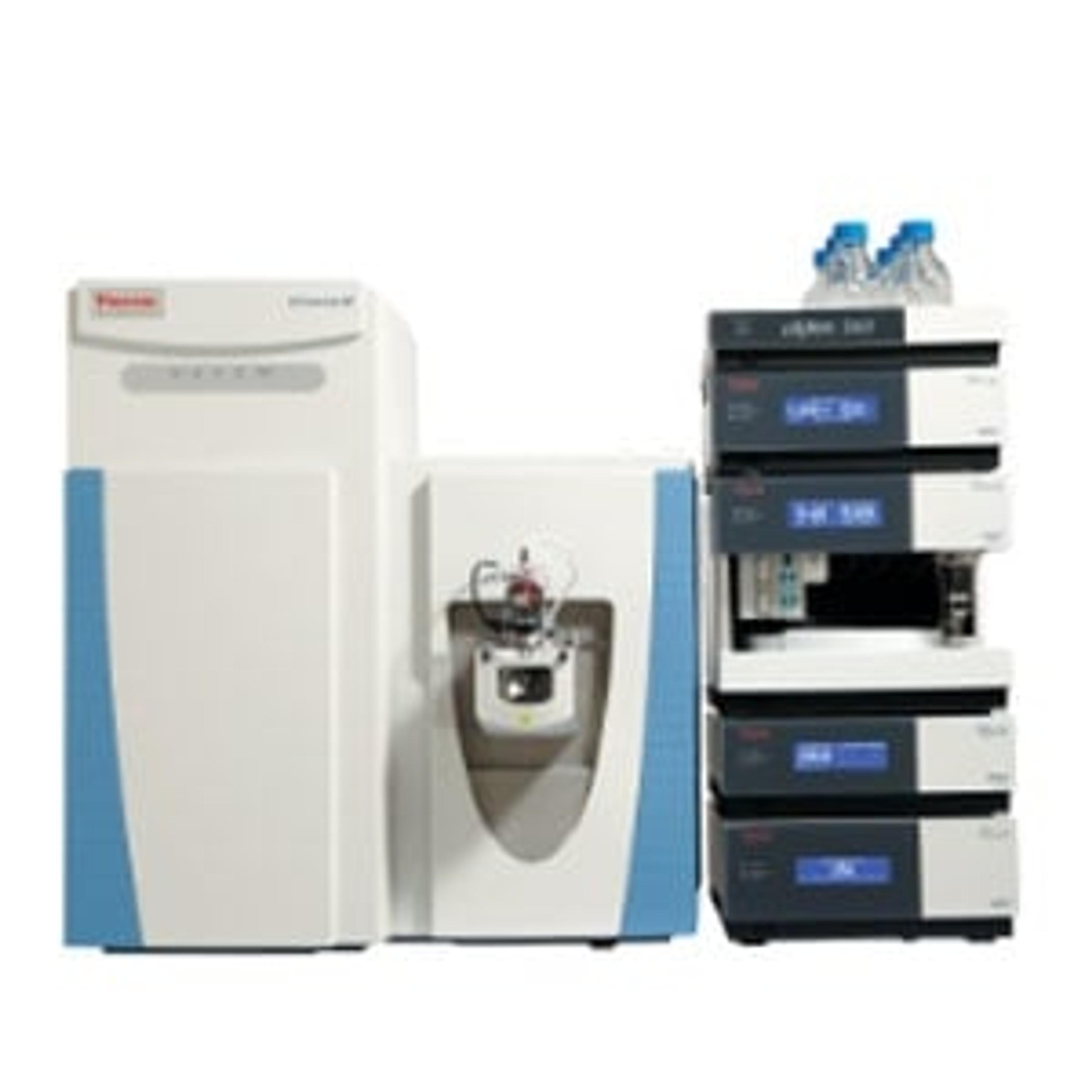
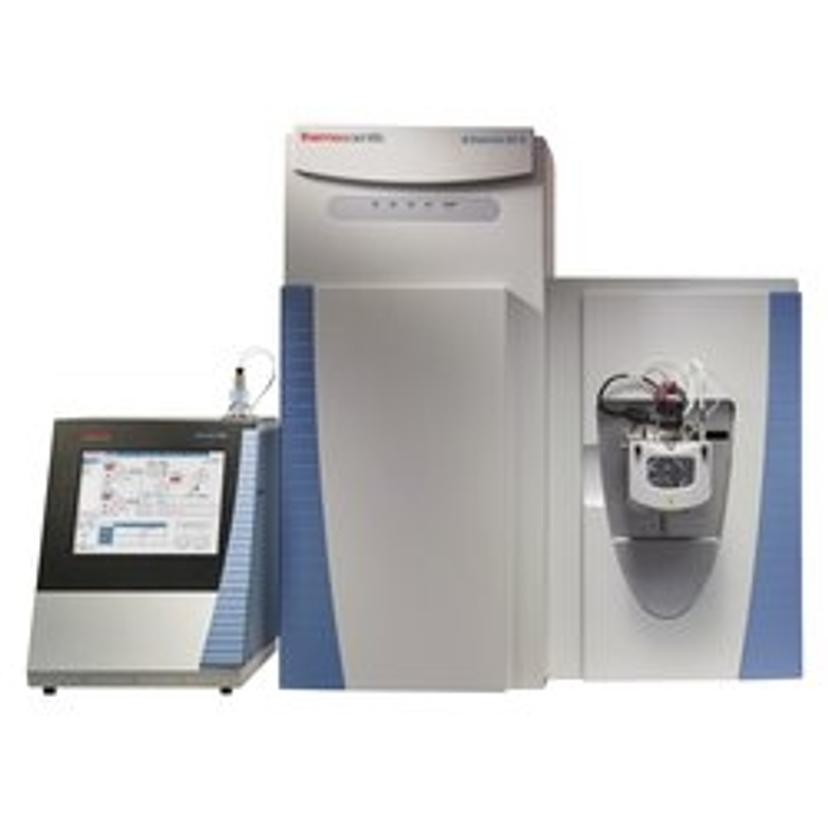
Thermo Scientific™ Q Exactive™ HF Hybrid Quadrupole-Orbitrap™ Mass Spectrometer
Thermo Fisher ScientificIdentify and quantify more proteins, peptides, lipids, glycans and small molecules accurately and in less time with the Thermo Scientific™ Q Exactive™ HF hybrid quadrupole-Orbitrap mass spectrometer.
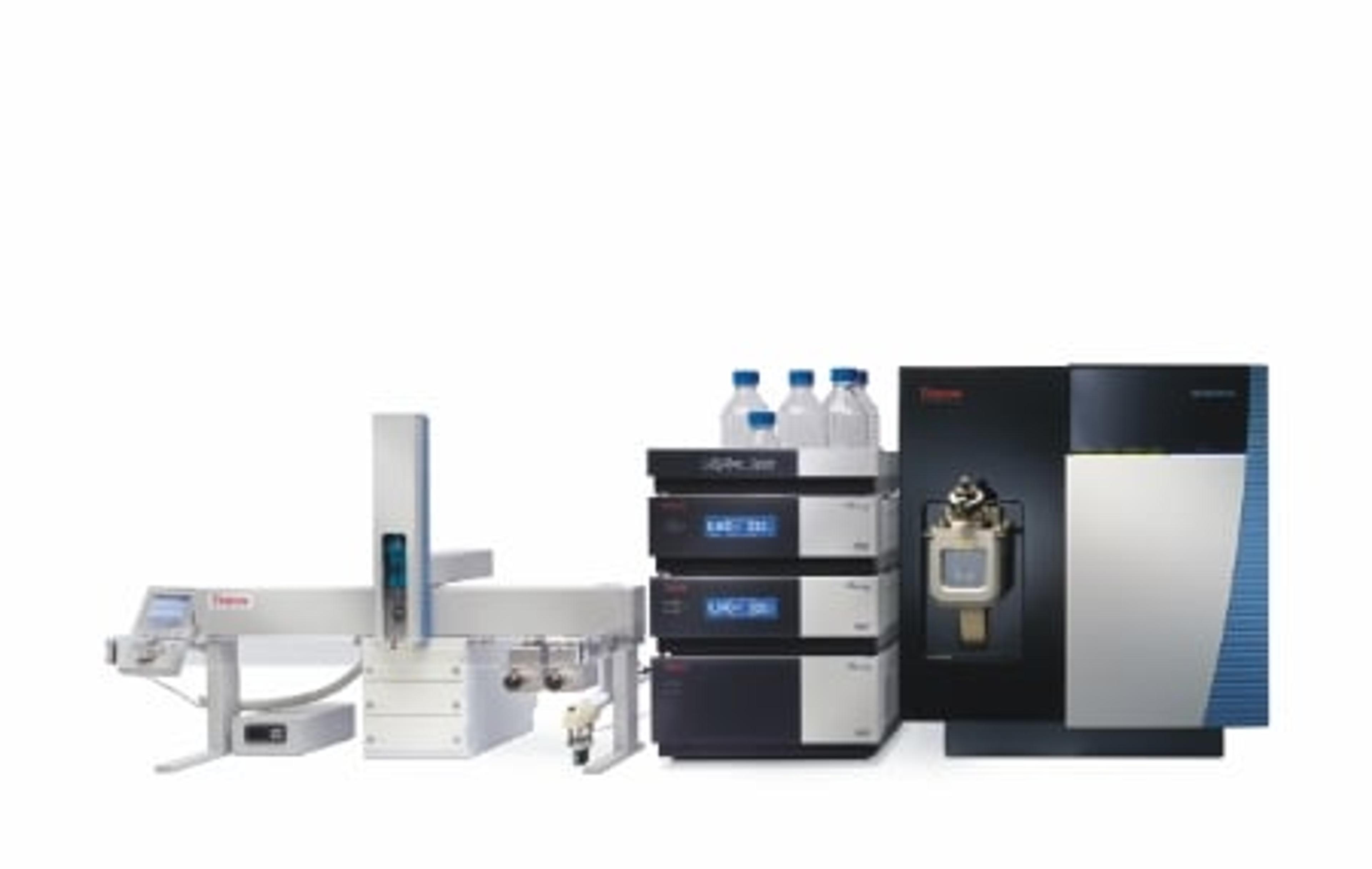
Thermo Scientific™ Transcend™ II System with Multi-channel and TurboFlow™ Technology
Thermo Fisher ScientificImprove data quality, lower costs, and increase LC/MS throughput without compromising data quality or sensitivity. The Thermo Scientific™ Transcend™ II system combines proprietary Thermo Scientific™ TurboFlow™ online sample preparation technology and a unique HPLC multi-channel technique to bring the productivity of up to four separate, parallel UHPLC channels to a single mass spectrometer.