
How Excel Scientific translates workflow pain points into clinical-grade consumables
Learn how Excel Scientific works alongside researchers to develop the films and foils supporting advances in science and medicine
3 Aug 2026In a research or clinical laboratory, even seemingly simple consumables can shape the outcome of an experiment or test. Take the thin films and foils that seal the top of well plates. Whether a lab is running PCR or ELISA, growing cell and tissue cultures, or storing samples at low temperatures, these materials are critical to preserving the conditions each assay depends on – limiting evaporation, reducing contamination risk, and preserving consistency between wells.

Mindy Rowley, vice president and general manager at Excel Scientific
As lab workflows evolve, these materials must evolve with them. New testing formats, automated platforms, plate materials, and performance demands are all changing what laboratories need from consumables.
In this article, Mindy Rowley, vice president and general manager at Excel Scientific, Inc., explains how the company works with researchers to understand these changing needs and bring application-specific medical-grade products to market.
Starting with the testing workflow, not the product
Excel Scientific manufactures microplate sealing films, foils, and custom laminate-based materials used across a wide range of scientific settings, from agriculture and forensics to diagnostics, vaccine development, and pharmaceutical quality testing.
No single sealing material can suit every workflow. A plate used for PCR may need tight evaporation control. A qPCR assay may depend on optical clarity. ELISA and EIA workflows may require reduced edge effects, while cell and tissue culture need materials that allow gas exchange without compromising sample separation. Other applications demand chemical resistance, cold-chain performance, long-term storage stability, or compatibility with automated platforms. In each case, the material must be designed around the biology, the assay, the plate, the equipment, and the people using it.
According to Rowley, new product development typically begins in one of two ways. Sometimes, the starting point is an existing product that could be improved to perform better, support faster processing, or deliver a more reliable result. In other cases, the process begins with scientists at the bench.
“We really try to stay connected to the scientific community and where things are going next,” she says. “What are their bottlenecks? What would help them to improve their daily flow?”
These insights come through direct customer contact, website enquiries, trade shows, sales meetings, and conversations with distribution partners, who can share what customers are asking for day to day.
“We do a lot of work to understand what the need is rather than just plying the market with a new product that we think has value,” Rowley adds.
Once a potential need has been identified, Excel Scientific’s team works to determine whether the proposed product would genuinely deliver value. This involves developing mock-up products and testing them under relevant laboratory conditions, while also engaging scientists and clinical staff to gain early feedback.
“We provide samples to get real-time feedback as we’re developing,” Rowley explains. “That helps us understand how the product needs to perform, and even whether the feel matters. We’ve had customers say, ‘I need it to feel more squishy,’ because their lab is used to something that feels or works in a particular way.”
“We want to make sure we’re meeting as many of those requests as possible,” she adds. But Rowley also stresses that laboratories should focus on outcomes, rather than familiarity. “A product may feel different and work differently, but that can be a positive. Look for things that improve your outcomes, rather than simply matching what you’re used to.”
Ensuring film and foil seal performance and quality
When designing a new film or foil, one of the most significant technical challenges is ensuring reliable adhesive performance. “As the materials used to make testing plates evolve, our products have to remain compatible with those surfaces,” Rowley says. “They need to stay securely sealed to the plate to help prevent cross-contamination between wells.”
Achieving this requires close attention to plate materials, surface energy, and adhesive behaviour. The bond must be strong enough to maintain seal integrity, but also appropriate for the intended workflow. In some cases, a product may need to seal across multiple plate materials with different surface properties. In others, it may need to support puncturing, peeling, storage, thermal cycling, optical detection, or robotic handling.
Poor seal performance can contribute to evaporation, leakage, contamination, altered sample concentration, inconsistent assay performance, or failed workflows. In high-throughput settings, even small inconsistencies can have operational consequences.
Excel Scientific’s development process is supported by a robust ISO 9001:2015 certified Quality Management System, covering the full path from initial concept and design through to final product shipment. This includes design and development, purchasing and supplier quality management, material identification, traceability and handling, document and change control, calibration and preventive maintenance, control of nonconforming material, and internal auditing.
The company’s films are also produced in controlled environments designed to meet defined quality requirements, with its manufacturing and cleanroom facilities adhering to ISO 14644 standards.
Introducing AdvanceSeal™ 3000 peelable foil heat seal
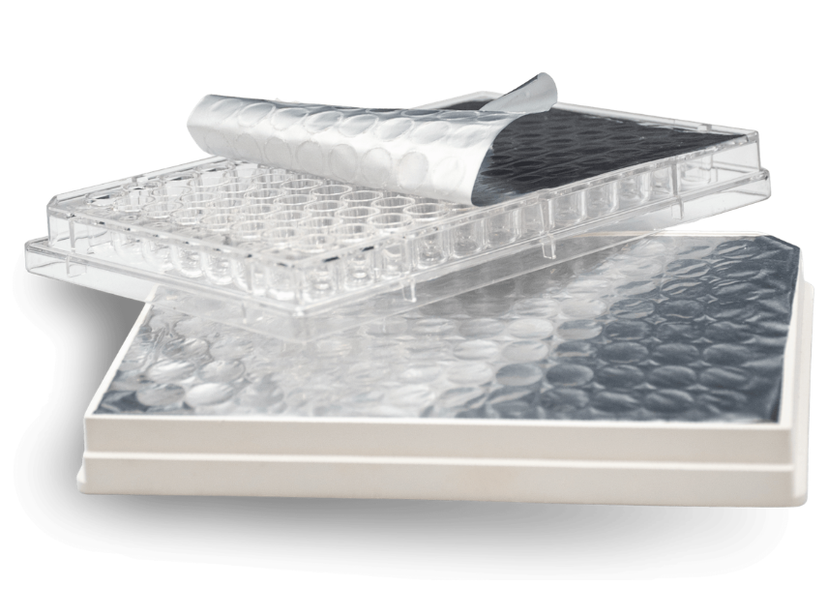
AdvanceSeal™ 3000 peelable foil heat seal, Excel Scientific’s latest heat seal product
Excel Scientific’s latest heat seal product, AdvanceSeal™ 3000, shows how customer needs, technical requirements, and workflow trends can be translated into a finished product.
AdvanceSeal™ uses a different sealing mechanism from the soft or tacky adhesive-based materials traditionally used across much of Excel Scientific’s portfolio. Instead, AdvanceSeal™ 3000 is a coextruded foil that forms a strong bond to the plate upon heating. “When the heat is applied, the bottom layer works as an adhesive and actually melts partially to create the seal to the plate,” Rowley explains.
AdvanceSeal™ 3000 is certified free of detectable levels of endotoxin, DNase, RNase, and human DNA contamination, supporting its use in sensitive workflows where sample integrity is essential. “We were trying to help customers who were concerned about chemical interactions, as well as those who have really harsh requirements around very extreme temperatures or pressures,” adds Rowley.
It is effective from –80°C to +105°C, offers excellent chemical resistance, and is compatible with most automated heat-sealing platforms, including Kbiosystems, Azenta Life Sciences, Thermo Scientific™ ALPS™, and Agilent PlateLoc heat sealers. It is also compatible with common plate materials, including polypropylene, dual-component polycarbonate/polypropylene, and polystyrene.
The wider AdvanceSeal line includes peelable options for workflows that require removal, as well as puncturable options for applications that require sample access through a tighter seal. “We’ve launched three materials in roll formats for different equipment and sizes,” adds Rowley. “We’ve also recently introduced sheeted versions, giving lower-volume users with smaller sealers the option to use these products too.”
Supporting the next generation of diagnostic testing
During the COVID-19 pandemic, Excel Scientific’s products played a key role in workflows supporting diagnosis, treatment development, and vaccine research. For Rowley, that experience reinforced the importance of developing products that can help laboratories respond quickly to urgent scientific and medical needs.
“That’s really where our focus is: understanding what’s coming next and staying close to the partners where we feel we can bring value,” she explains. “Take diabetes care, for example. What’s the next step? Can we be part of a cure? Can we help develop those things?”
Whether working with ELISA, PCR, or other testing platforms, laboratories and diagnostic providers need reliable products that integrate smoothly into existing workflows and support evolving testing needs.
“These are the spaces we’re targeting,” Rowley concludes. “We want to make testing easier, support quick diagnosis, and, ultimately, help improve lives.”
Related products
Request Quote for All Products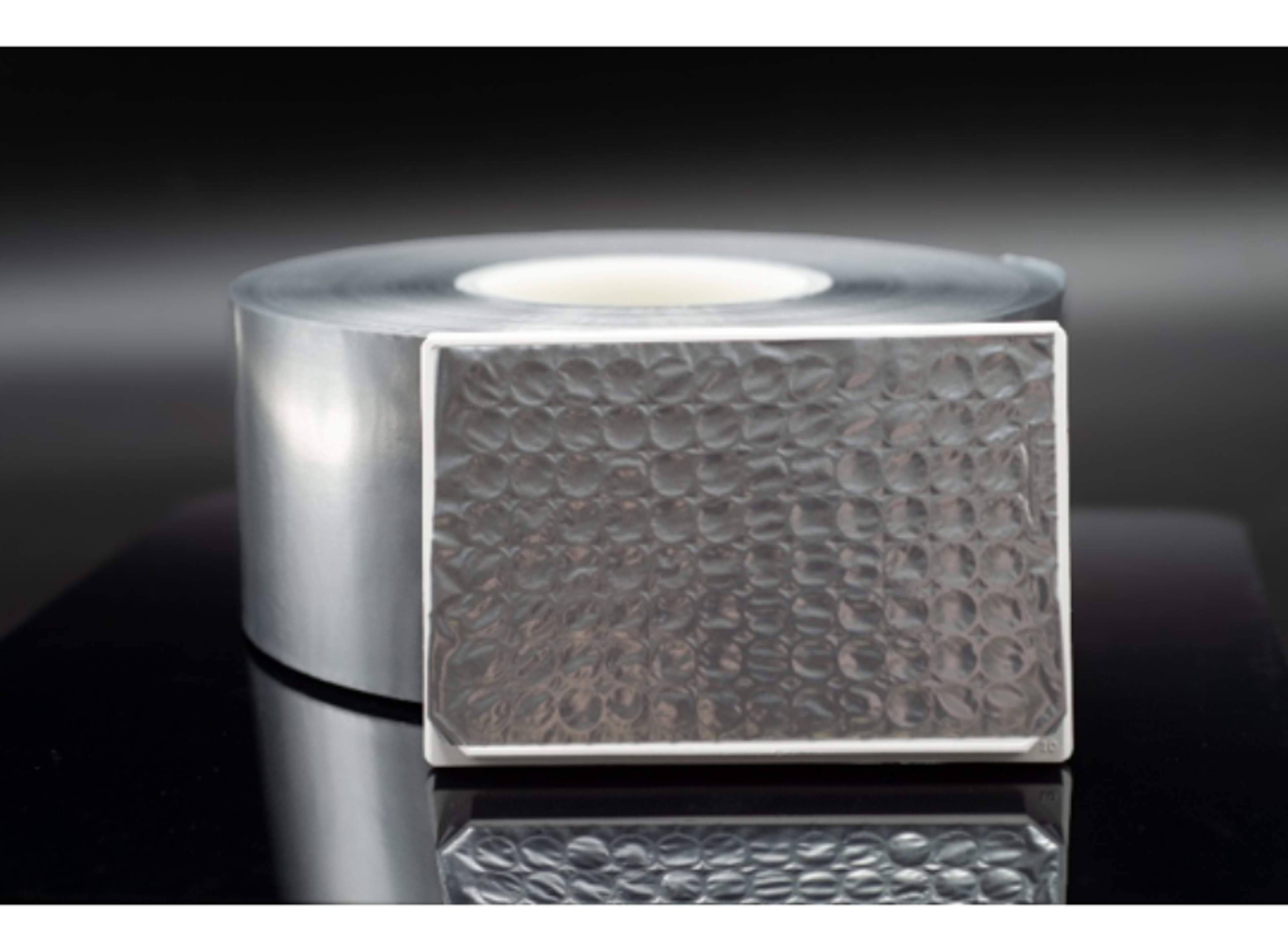
AdvanceSeal™ 3000
Excel Scientific, Inc.Excel Scientific’s newest peelable heat sealing foil, AdvanceSeal™ 3000, is designed for PCR, long-term compound storage, light sensitive assays, and robotics.
Links
Tags
Frequently asked questions
Show frequently asked questions
How do Excel Scientific’s microplate sealing films and foils improve PCR, qPCR, ELISA, and cell culture assay performance?
Excel Scientific designs application-specific sealing films and foils to limit evaporation, reduce contamination, and maintain consistency between wells. For PCR and qPCR, seals support tight evaporation control and optical clarity. ELISA and EIA workflows benefit from reduced edge effects, while cell and tissue culture materials enable gas exchange without compromising sample separation, supporting reliable results across diverse diagnostic and research workflows.
What makes AdvanceSeal™ 3000 peelable foil heat seal suitable for high-sensitivity diagnostic and pharmaceutical testing?
AdvanceSeal™ 3000 is a coextruded foil heat seal that forms a strong bond upon heating and is certified free of detectable endotoxin, DNase, RNase, and human DNA contamination. It operates from –80°C to +105°C, offers excellent chemical resistance, and is compatible with common plate materials and automated heat sealers, making it ideal for sensitive workflows in diagnostics, vaccine development, and pharmaceutical quality testing.
How does Excel Scientific ensure quality and reliability in its microplate sealing products for clinical and research laboratories?
Excel Scientific’s development is governed by an ISO 9001:2015 certified Quality Management System, covering design, supplier quality, traceability, document control, and nonconforming material management. Films are manufactured in controlled environments that meet ISO 14644 standards. Products are tested under relevant lab conditions, with real-time customer feedback, to ensure seal integrity, compatibility with evolving plate materials, and reliable performance in high-throughput and automated workflows.