
High-throughput cytometry for MSC, iPSC, and CAR-T studies
Learn how you can transform cell therapy screening workflows at all stages of research
7 Jul 2026
From regenerative medicine to cancer immunotherapy, cell therapies are reshaping the future of healthcare. Yet as these therapies become more sophisticated, researchers face growing challenges in how they screen, characterize, and monitor increasingly complex cell models.
Generating high-quality data at scale can be difficult, particularly when working with mesenchymal stem cells (MSCs), induced pluripotent stem cells (iPSCs), and engineered immune cells such as CAR-T therapies. Researchers need workflows that can keep pace with development while maintaining confidence in their analytical results.
This application guide explores how High-Throughput Screening (HTS) by cytometry can help overcome these challenges, enabling more efficient characterization, optimization, and monitoring of therapeutic cells across the cell therapy workflow.
Download resourceWhat you'll learn in this guide
This application guide examines how HTS by cytometry can be applied to key areas of cell therapy research, including:
- Mesenchymal stem cell (MSC) identity and differentiation
- Optimization of advanced cell models
- Characterization and optimization of induced pluripotent stem cells (iPSCs)
- Phenotypic characterization of CAR-T cells
- Functional characterization of CAR-T cells
- Assessment of T cell activation workflows
Who should download this resource?
This guide may be valuable for:
- Cell therapy researchers
- Stem cell scientists
- CAR-T and immunotherapy teams
- Translational medicine researchers
- Drug discovery and development scientists
- Flow cytometry specialists
- High-throughput screening teams
Related products
Request Quote for All Products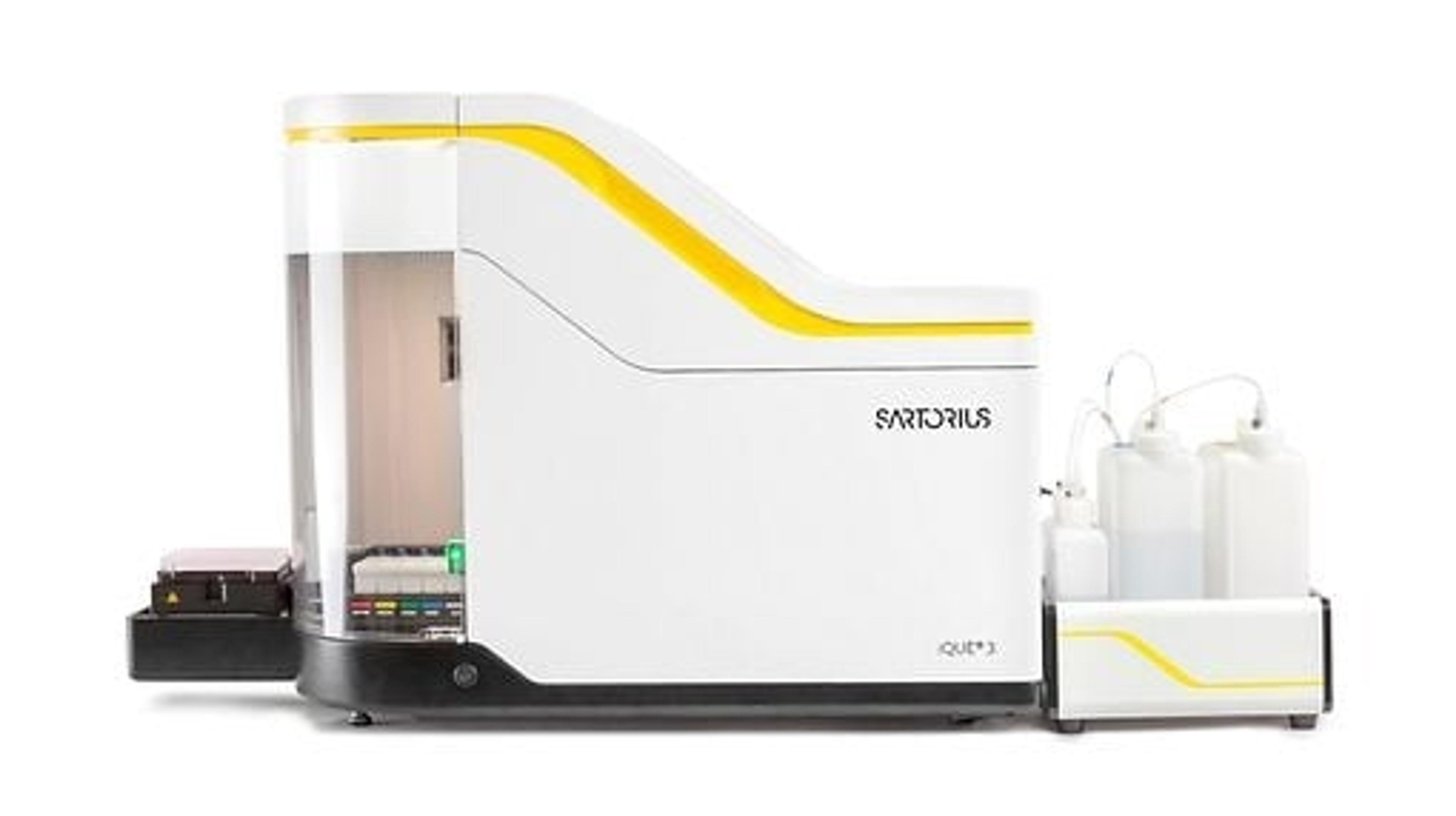
Links
Tags
Frequently asked questions
Show frequently asked questions
How is high-throughput cytometry used in MSC, iPSC, and CAR-T cell research?
This eBook explores how high-throughput screening (HTS) by cytometry can support the characterization, optimization, and monitoring of mesenchymal stem cells (MSCs), induced pluripotent stem cells (iPSCs), and CAR-T cells. It highlights approaches for improving screening workflows while generating robust cellular insights.
What are the benefits of high-throughput cytometry for cell therapy development?
High-throughput cytometry can help researchers analyze large numbers of samples efficiently, supporting cell identity testing, functional characterization, and workflow scalability. This resource examines how these capabilities can be applied across modern cell therapy research programs.
How can researchers characterize and optimize iPSC and CAR-T cell models?
The guide discusses strategies for iPSC characterization and optimization, alongside phenotypic and functional characterization of CAR-T cells. Researchers can learn how high-throughput cytometry supports the evaluation of advanced cell models throughout development.
What challenges does high-throughput cytometry solve in advanced cell model screening?
Advanced cell models can be complex to analyze and scale. This eBook explores how high-throughput cytometry can help researchers streamline screening workflows and generate data to support decision-making across MSC, iPSC, and CAR-T studies.