
Gentronix has launched a human cell-based genotoxicity screening test, called GreenScreen HC, which gives more accurate results than any other currently available in vitro genotoxicity test.
8 May 2007GreenScreen HC is a new high sensitivity and high specificity genotoxicity assay, which is microplate based and only requires approx 1mg of compound i.e. very suitable for early screening.
Accuracy claims are supported by an initial validation study done in collaboration with GSK, UK and published in Mutation Research (pdf available on request). Positive results have been obtained for all mechanistic classes of genotoxic carcinogen: anuegens, clastogens and mutagens, acting either directly on DNA or on the enzymes of DNA metabolism and repair. Negative results have been obtained for all but one of the non-carcinogens tested.
GreenScreen HC represents a significant development because recent independent studies (Kirkland et al) have confirmed that the in vitro micronucleus test and Tk reversion assays have unacceptably poor specificity with over 50% of non-carcinogens give positive results.
The assay can be applied at different stages of the drug discovery process, at each of which the investment per compound increases exponentially with time. During profiling and conversion of hits to leads, where the investment per compound has reached around $2-3K, the assay can be used cost-effectively to identify class-dependent liabilities and the best series for lead optimisation.
The cumulative investment increases to approximately $50K per compound at lead optimisation, where the assay can be used to select candidates. At the late preclinical stage, it can prioritise compounds for regulatory testing and resolve data conflicts between true and false positives, but by this point the estimated cost per compound of late failure is over $10M. Mechanistic studies additionally cost several $100K and delay the initiation of clinical trials that, for a ‘first-in-class’ candidate, can reach $1M per day in lost sales. Further details on the economics benefits of early genotoxicity screening are available in a recent article.
Related products
Request Quote for All Products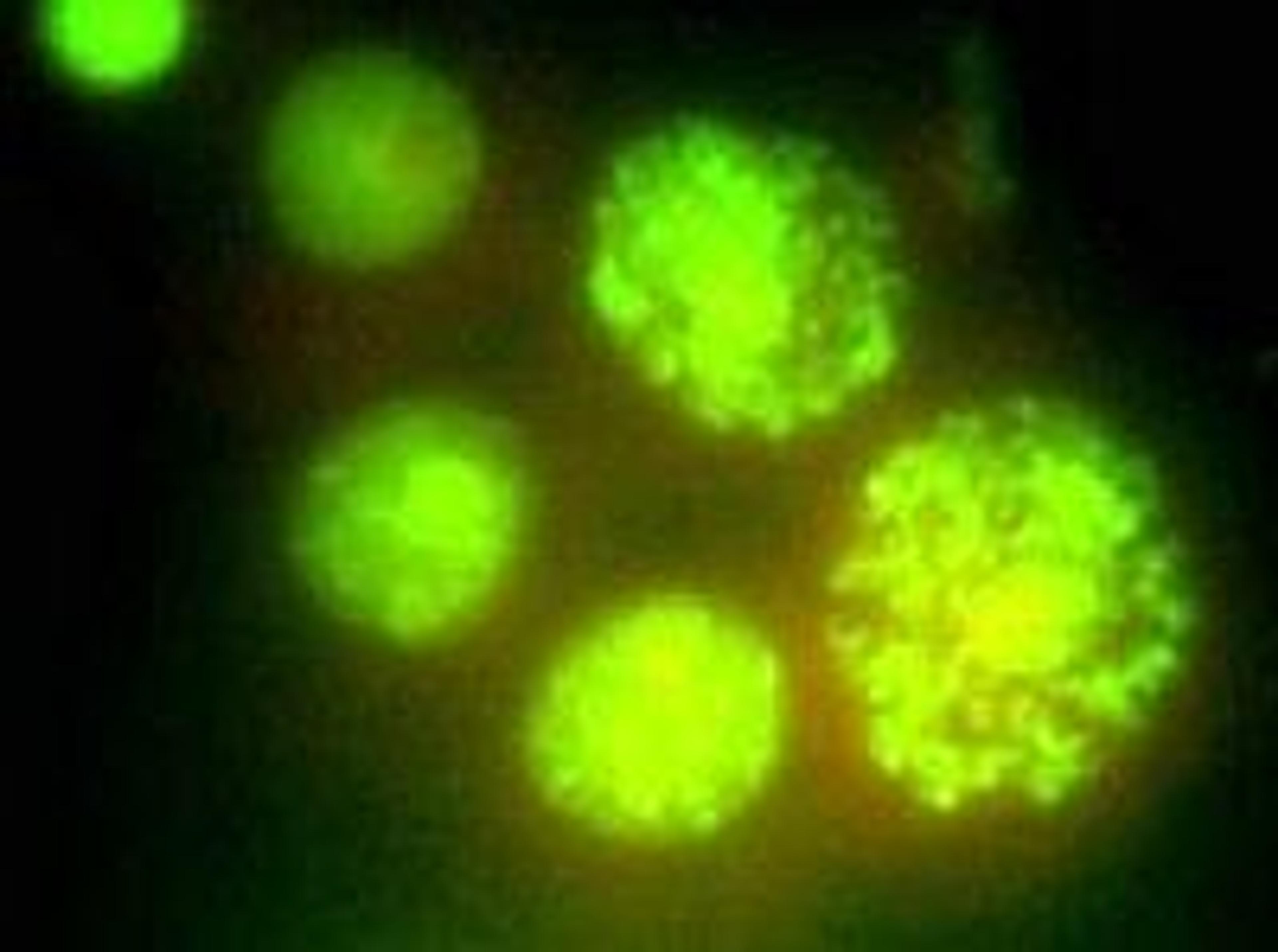
GreenScreen HC
Gentronix Ltd.Gentronix has launched a new, accurate and fast in vitro mammalian cell genotoxicity assay - GreenScreen HC. The TK6 host cells are p53 competent and familiar to most genetic toxicology laboratories. A patented GFP reporter system exploits the proper regulation of the GADD45a gene. The assay delivers both high specificity and high sensitivity and detects all common mechanistic classes of genotoxin. The 96-well microplate format takes about 20 minutes to prepare and delivers results after a 48 hour incubation. A single microplate is sufficient for the simultaneous testing of 4 compounds over 9 serial dilutions. The protocol is also readily automated using standard laboratory liquid-handling equipment. The Biology GADD45a mediates the adaptive response to genotoxic stress. The patented GFP fluorescence reporter includes complex regulatory elements. The assay gives positive results for direct acting agents, as well as aneugens, and topoisomerase and polymerase inhibitors. Importantly the assay gives correct negative results for non-carcinogens, including many which give misleading positive results in other in vitro tests. The Assay Protocol Nine, 2-fold dilutions of each compound together with positive controls are set out in the microplate and growing cells are added to each well. After incubation and measurement in a microplate reader, simple software gives automated decisions and a clear graphical output. Validation A unique combination of both high-specificity and high-sensitivity genotoxicity assessment in a human cell line has been demonstrated. See: High-specificity and high-sensitivity genotoxicity assessment in a human cell line: Validation of the GreenScreen HC GADD45a-GFP genotoxicity assay. Hastwell P.W. et al (2006) Mutation Research 607: 160-175.