
First net zero mass spectrometer launched to support a greener future
Thermo Scientific Delta Q IRMS is the first product developed under ground-breaking IsoFootprint initiative to tackle CO₂ emissions for more sustainable science
23 Sept 2021
The Thermo Scientific Delta Q Isotope Ratio Mass Spectrometer (IRMS) is a next generation gas IRMS designed to enable detailed analysis with greater precision and accuracy. In addition to its improved specifications, including an upgrade in software to Qtegra ISDS to dramatically improve ease-of-use and laboratory productivity, the system’s carbon footprint will be neutralized, allowing scientists to carry out their work, while minimizing their environmental impact.
The Delta Q IRMS is the first product to be released as part of the IsoFootprint campaign, an initiative to permanently remove CO₂ emissions associated with the manufacture and supply chain of all new inorganic IRMS products. The Inorganic MS (IOMS) team at Thermo Fisher has committed to removing all embodied carbon in its new instrumentation, using technologies, like direct air capture and bio-oil sequestration, that lock away carbon from the atmosphere permanently.
"The Delta Q IRMS, and our IsoFootprint initiative, is a major step forward in our commitment to supporting sustainable science," said Chris Cascella, general manager, inorganic mass spectrometry, chromatography and mass spectrometry, Thermo Fisher Scientific. "With the world in a climate crisis, we want to be sure we play our part in limiting the damaging environmental impacts of climate change. By 2026, our IOMS instruments will become carbon neutral, removing 4500 tCO₂e from the atmosphere each year. This is a bold, but a necessary step – world-class science should not be at a cost to the Earth."
"Across industries, most products come with a carbon footprint, and direct air capture provides a mechanism to permanently eliminate this," said Steve Oldham, CEO of Carbon Engineering, a direct air capture company working with Thermo Fisher as part of the IsoFootprint initiative. "It is inspiring to see Thermo Fisher leading the earth sciences field and taking the pioneering step to remove the CO₂ emissions associated with their Delta Q IRMS product."
Want the latest science news straight to your inbox? Become a SelectScience member for free today>>
Related products
Request Quote for All Products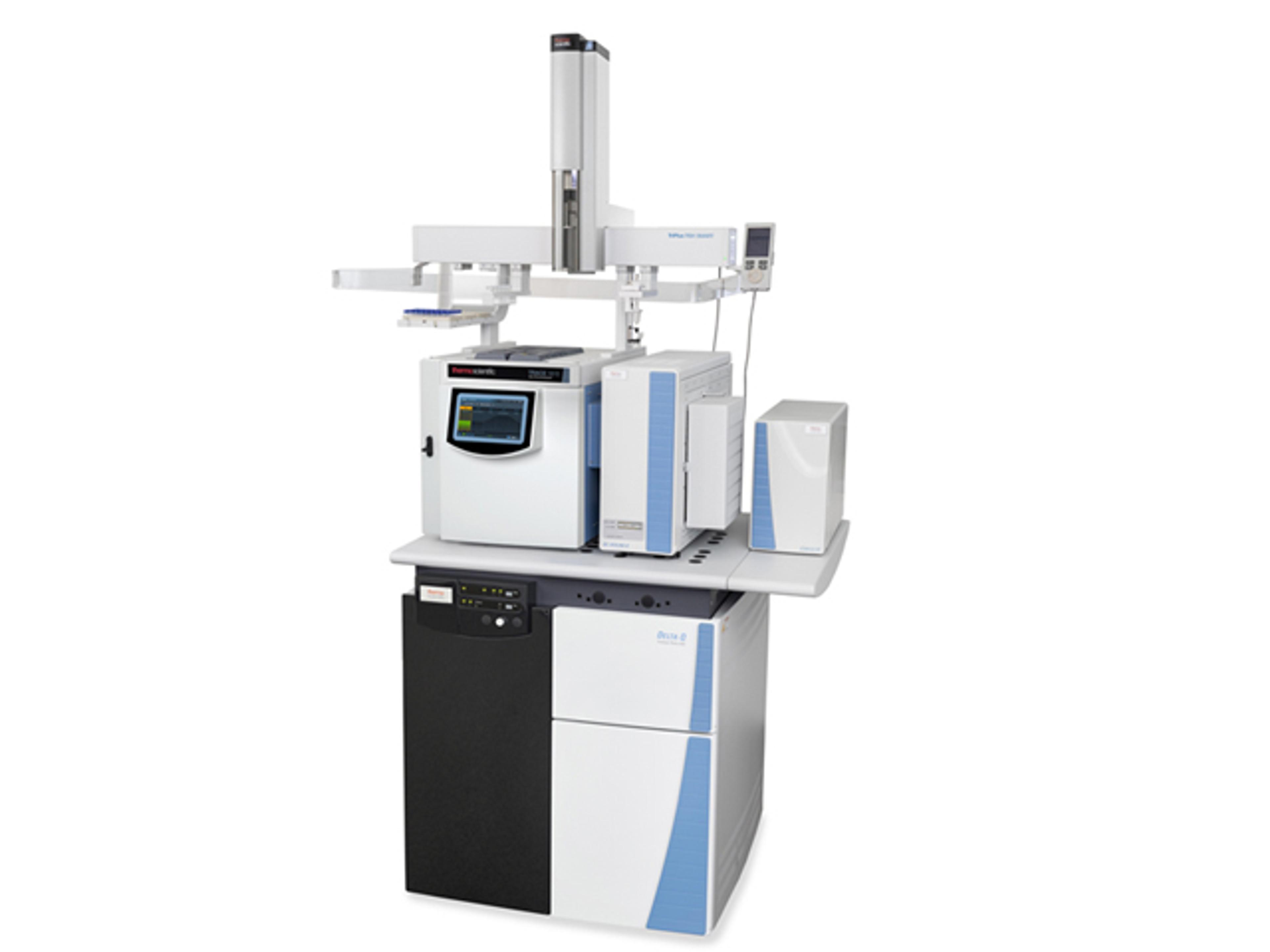
Thermo Scientific™ GC IsoLink™ II IRMS System
Thermo Fisher ScientificTake advantage of the next generation of combined GC-MS-IRMS