
Bruker Elemental Introduces Integrated Camera and Small Spot Collimator Options for S1 TITAN Handheld XRF Analyzer
6 Aug 2013
Bruker Elemental is pleased to announce the introduction of two new options for the S1 TITAN Handheld XRF analyzer- an integrated camera option and a small spot collimator option. The camera helps ensure accurate measurement positioning to “zero in” on specific areas of interest. The small spot collimator creates a smaller focus area for the X-ray energies and thus allows better control of what area is analyzed- especially if combined with the camera option. This can be especially important when you want to analyze just one color on a toy or inspect just the weld seam on a pipe or pressure vessel.
Up to 5 images may be saved with each assay. The images become a seamless part of the assay results, thus creating a secure link between the data and the image. This is especially critical when you need documented confirmation (both visual and analytical) of what material or part of the sample that was analyzed. Because of the secure integration of images, it is very simple to import the results into a comprehensive report which combines the analytical data and images.
The small spot option provides a small measurement area for the isolation of small features to be tested, however, thanks to the SharpBeamTM feature of the S1 TITAN the precision and accuracy of the measurement are the same as for the normal spot. There is no need to extend the measurement time to achieve the desired precision.
The camera and small spot collimator options are available for both the S1 TITANLE, the SDD based analyzer, as well as the S1 TITANSP, the Si-PIN based analyzer. These optional accessories can be ordered with either model when buying a new unit.
Related products
Request Quote for All Products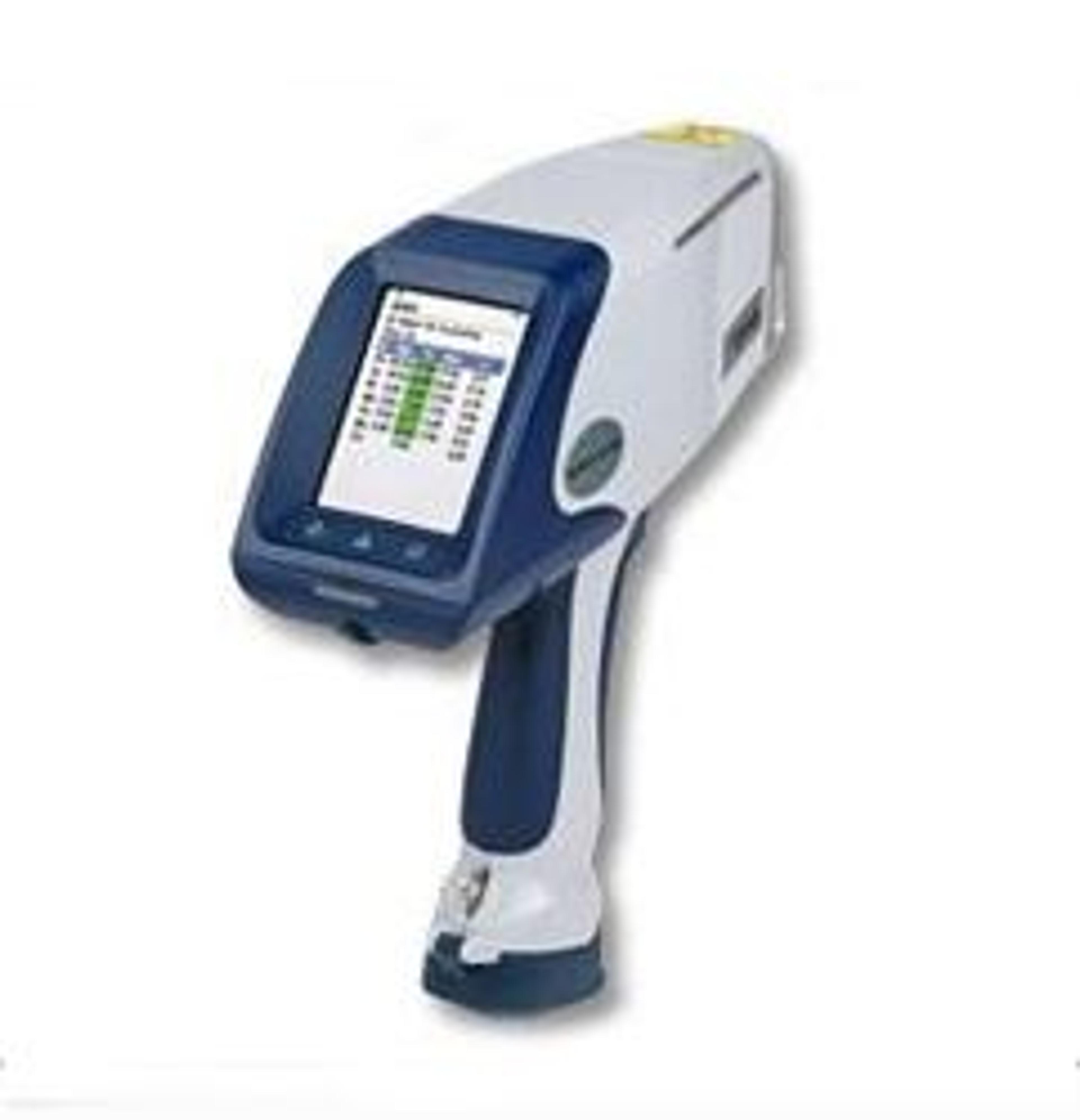
S1 TITAN Handheld XRF Spectrometer
Bruker AXS Inc.The S1 TITAN is among the lightest tube-based handheld XRF analyzers on the market today. Fast analysis speed and exceptional accuracy are two key attributes that help define the S1 TITAN. Other innovative features include an integrated touch-screen color display, 50 kV X-ray tube, SMART GradeTM timing, SharpBeamTM optimized X-ray geometry, Silicon Drift Detector (SDD), and an extremely tough housing that is sealed against humid and dusty environments.The S1 TITAN series is available in two configurations, the S1 TITANLE and S1 TITANSP. Both use Bruker’s SharpBeam® technology. S1 TITAN Handheld XRF Spectrometer Benefits: Available calibrations include: alloy, gold and precious metals, bulk material (E‐scrap and catalytic converters), soil, mining, restricted materials, and customer specific. Superior SDD detector technology. Superior count rates and resolution (compared to previous generation SiPIN instruments). Faster than previous generations. Lower detection limits. Easy analysis of light elements, such as magnesium, aluminum and silicon, without the need for vacuum or helium atmosphere (S1 TITANLE only).