Bruker and ANPC partner to support major new frontline response to combat COVID-19 threat

The strategic partnership with Australian National Phenome Centre (ANPC) aims to support the work of their researchers

15 Apr 2020

Diane Li
Assistant Editor

Industry news

Bruker has partnered with Australian National Phenome Centre (ANPC) at Murdoch University to support the work of their researchers into the COVID-19 pandemic threat. The ANPC team, led by world-renowned phenomics pioneer and academician Professor Jeremy Nicholson, and working with the South Metropolitan Health Service COVID-19 Response Team and the broader Western Australian (WA) healthcare community, has launched a major research and diagnostics project to better understand and predict variation in COVID-19 severity and determine the complex genetic, environmental and lifestyle interactions that influence its pathogenicity in individuals. Later they will engage with clinical trials of novel antiviral agents and when available vaccines in order to predict responder/non-responder outcomes.

Accelerating time to diagnosis

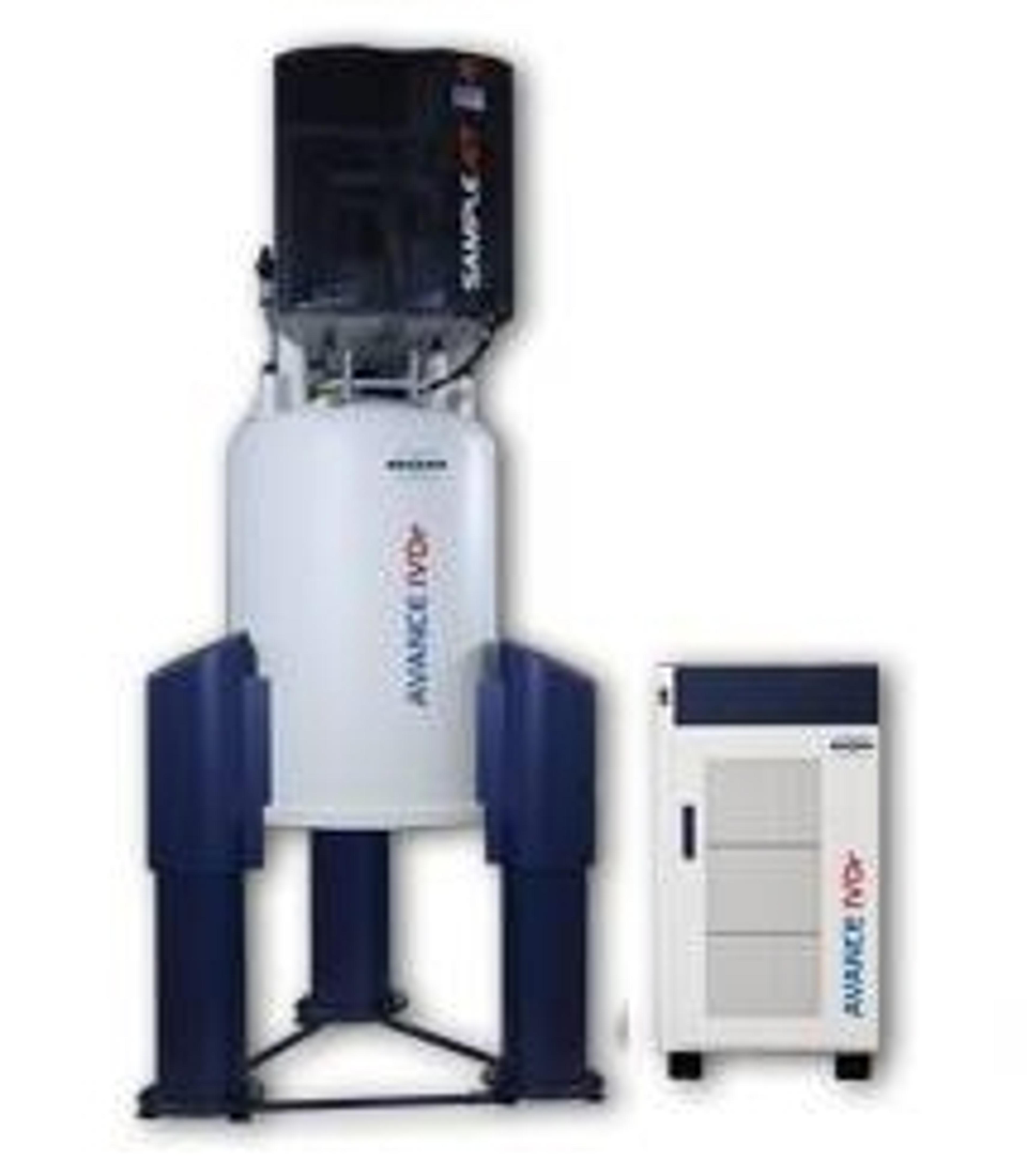
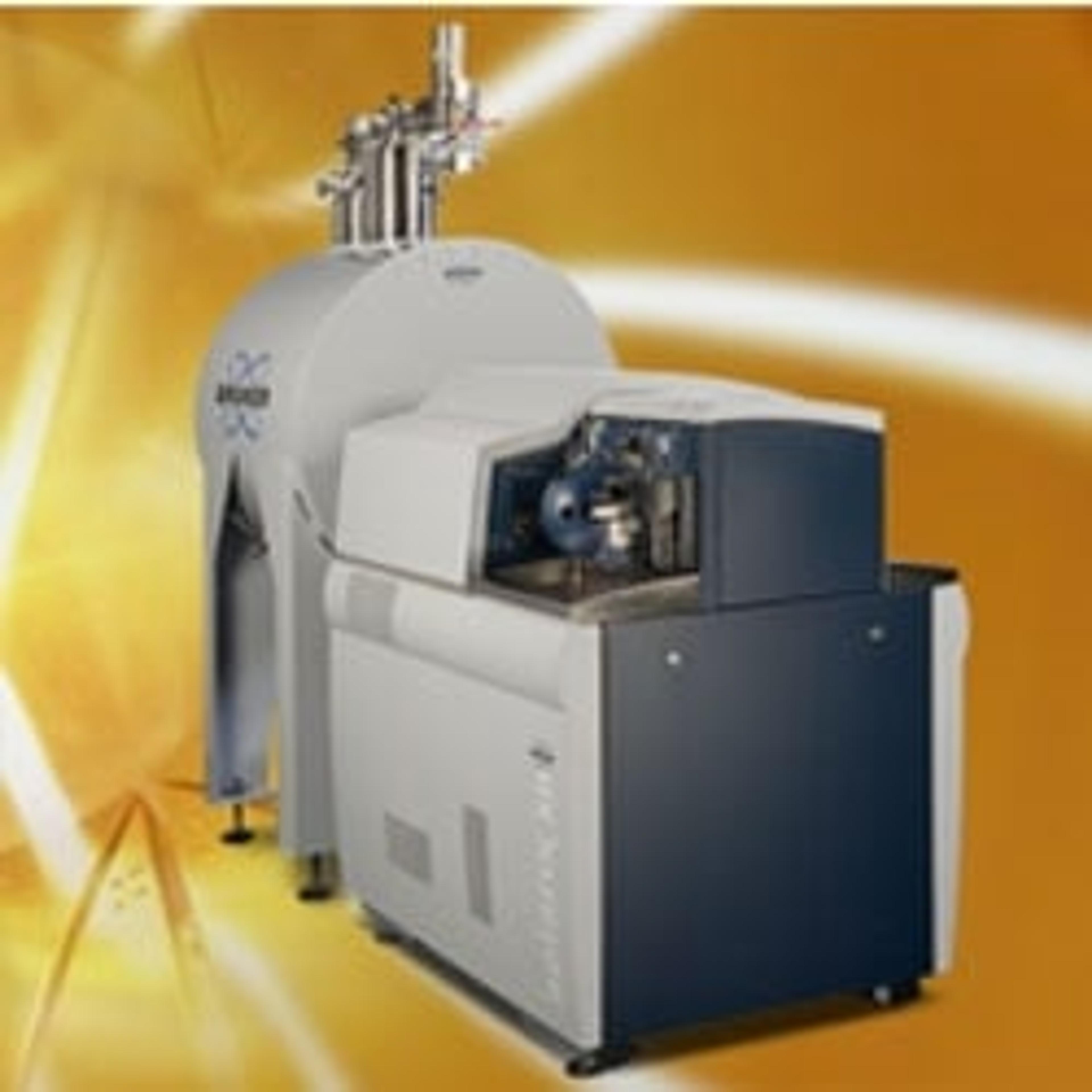
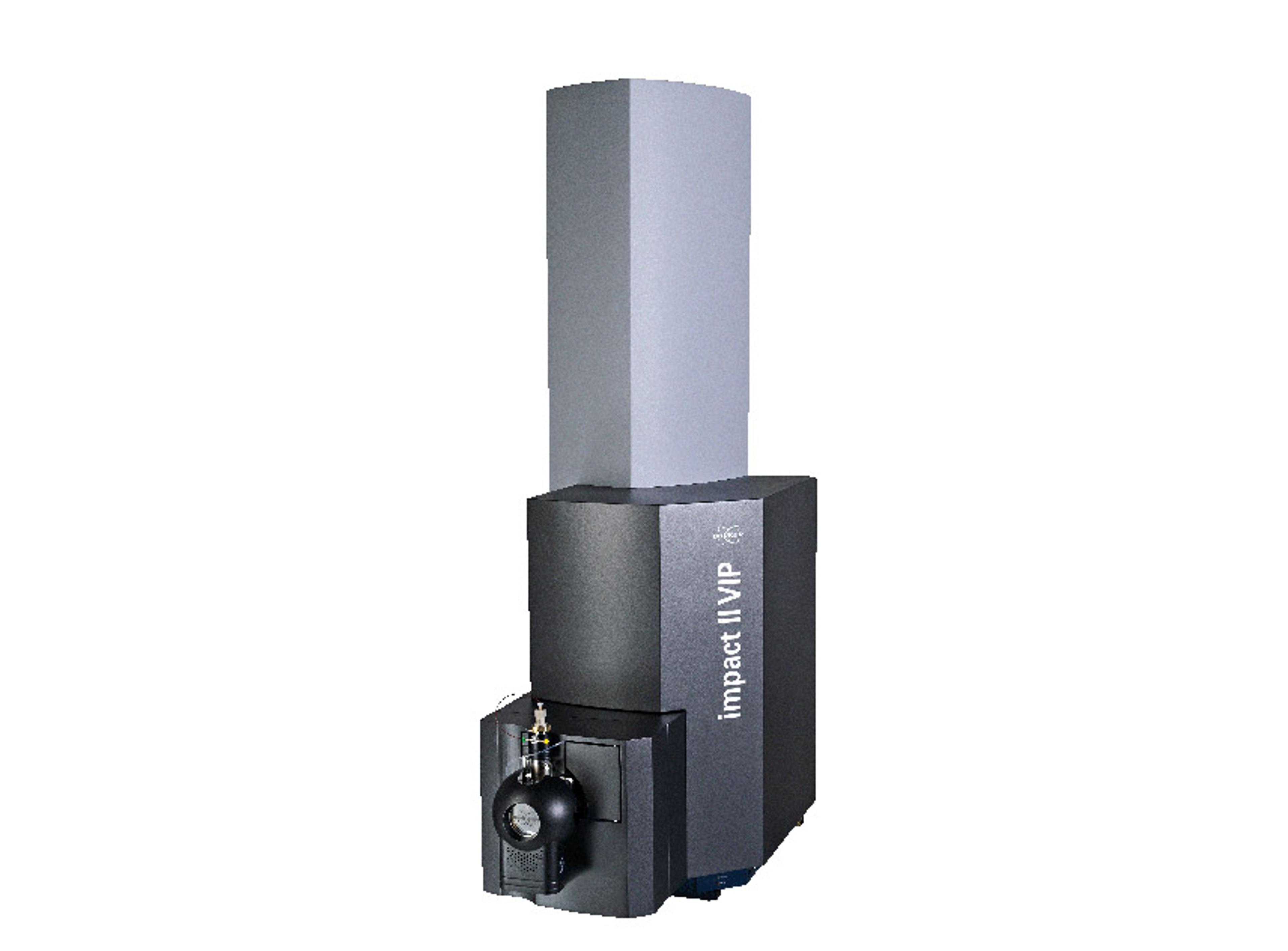
The goal is to deliver diagnostic and prognostic solutions in an accelerated time-frame. Most importantly, the risk of severity of infected patients needs to be assessed rapidly to help guide and optimize the clinical patient pathway. Researchers at the ANPC will use a range of state-of-the-art Avance IVDr nuclear magnetic resonance (NMR) and timsTOF Pro, Impact II and Solarix MR mass spectrometry (MS) instrumentation from Bruker, as well as data modeling approaches, to perform broad and deep metabolic analysis of the molecular, physical and biochemical characteristics of blood plasma and urine samples to create informative translational models. These models will predict variation in the severity of the disease and help understand differential responses to therapeutic interventions.

Professor Nicholson said: “At the ANPC, we are dedicating 100% of our resources to the COVID-19 fight for at least a year. This is the greatest emergent healthcare challenge on the planet and there is no better equipped metabolic lab in Australia, or possibly anywhere in the world, to undertake this type of investigative work in an excellent clinical and hospital framework.

“Linked to our genomics team, led by Professor Simon Mallal and Associate Professor Mark Watson, we’re setting out to identify specific biomarkers of the disease to figure out who has it, how we can detect it and stratify patients by severity risk, and assess the real time patient responses to treatments.”:

Scientific partnership to drive clinical research

Frank H. Laukien, Ph.D, President and CEO of Bruker Corporation, commented: “We are strongly committed to supporting Professor Nicholson and his team scientifically and technically. The comprehensive COVID-19 clinical research plan at Murdoch University into metabolic biomarker patterns of diseases, prognosis, and treatment response is exceptional.

“In particular, I hope that the team can find evidence-based clinical protocols very soon to reduce mortality in ‘phase 2’ of COVID-19 with its life-threatening lower respiratory tract infections. Medical science needs to determine urgently whether broad spectrum antibiotics and/or immunosuppressants improve survival statistics in ‘phase 2’, when viral pneumonia, potential bacterial pneumonia or ventilator-associated pneumonia (VAP), as well as lung inflammation due to our own immune systems’ cytokine storms, appear to create a very dangerous set of co-morbidities.”

Unique bio sample collection capability

The project will see the ANPC working hand-in-hand with Professor Merrilee Needham of Murdoch University and Notre Dame University, and Professor Toby Richards of the University of Western Australia, who are bringing together the top doctors and researchers from WA through the Western Australian Health Translation Network (WAHTN) led by Professor Gary Geelhood for the COVID-19 Response Team.

It is anticipated that all new COVID-19 patients will be consented for testing on admission and later for clinical trials, with the ANPC running the samples from those trials and tests, including longitudinal urine and plasma metabolic monitoring.

Commenting on the unique position of the WA-based research team, Professor Richards said: “We are in the second wave and have the opportunity to be prepared for COVID-19. We have built a unique platform in WA to collect patient data and bio samples to enable a thorough understanding of the disease and response to treatment.”

Mitigating current and future threats

Understanding the pathways to infection and the biological consequences will enable the development of effective treatments and vaccines to mitigate the current threat to thousands of people across the world. This pioneering work will also prepare us for the threat of viral pandemics in the future.

For more of the latest science news, straight to your inbox, become a member of SelectScience for free today>>

Tags

AntibodiesAntibodies are used in techniques such as confocal and fluorescence microscopy, flow cytometry, ELISA, ELISPOT, immunohistochemistry, western blotting and immunopreciptation. Select specific antigen reactivity, high specific affinity, low non-specific binding, monoclonal or polyclonal, primary or secondary antibodies and associated conjugates such as an enzyme or dye for visualization.Data AnalysisData analysis hardware and software is available to make data processing straight-forward yet powerful. Data software can be used for math and stats, technical graphing and image analysis. In addition, software is available for specific data analysis of electrophoresis, densitometry, ELISA and DNA sequencing.Sample ManagementSample management systems include sample storage devices such as freezers and plate storers, sample environment enclosures and sample organization, retrieval and sorter systems. Useful system features include high-throughput, automation, robotic arms, automated liquid handling and associated database systems. Accessories in sample management include barcode scanners, heat sealers and tubes.ImmunologyImmunological techniques measure and characterize immune responses. Immunology kits and analysis systems often use techniques such as ELISA, radioimmunoassay (RIA) and immunodiffusion assays, Immunohistochemistry, and flow cytometry. Immunologists use equipment such as flow Cytometers, plate readers, plate washers and fluorescent microscopes.Cellular PathologyCellular Pathology deals with the microscopic analysis of tissue samples and cells. Sample preparation and processing includes fixation, staining, sectioning and slide mounting, using equipment such microtomes and cryostats. In choosing immunohistochemistry and immunocytochemistry kits, consider chromogens, staining method, antibodies, microscopes and imaging.Biopharmaceutical AdvancesBiopharmaceutical advances follow the development of pharmaceuticals derived from biotechnology, also known as biotechnology medicines. Biopharmaceuticals may be produced from cell lines, plants, or microbial cells. Important considerations of biopharmaceutical use include application, cost, production process and purification.Clinical TrialsClinical Trials, an essential part of drug discovery process, assess the safety and effectiveness of a new medication or device in the pharmaceutical industry. Clinical Trials are a phased process (Phase 0, Phase I, Phase II, Phase III and Phase IV) which begins after initial preclinical testing.Clinical ChemistryBiochemistry (or clinical chemistry) involves the analysis of bodily fluids using chemical tests. Techniques used include HPLC, chromatography, spectroscopy, mass spectrometry, immunochemical, electrophoresis, turbidometric / spectrophotometric assay, MRI and ISE analysis. Tests are often carried out on plasma or serum but urine (urinalysis) and fecal specimens are also processed.Clinical GeneticsMolecular Genetics covers the analysis of hereditary genetic disease and chromosomal abnormalities. Genetics can be analysed using DNA, RNA, and protein microarrays, PCR, RT PCR and DNA sequencing. Genetic equipment includes genetic workstations, thermal cyclers, cooling blocks and electrophoresis products. Diagnostic kits are used for DNA / RNA extraction and purification.Animal ModelsThe use of non-human animals in experiments or behavorial observations. The research is conducted inside universities, medical schools, pharmaceutical companies, farms, defence establishments, and commercial facilities that provide animal-testing services to industry. It includes pure research such as genetics, developmental biology, behavioral studies, as well as applied research such as pharmaceutical testing in pre-clinical, before human, studies. Drug DeliveryDrug Delivery refers to dosage form, route of administration, formulations, technologies, and systems for transporting a pharmaceutical compound in the body as needed to safely achieve its desired therapeutic effect. Drug delivery is often approached via the biopharmaceutical or small molecule drug's formulation, but it may also involve medical devices or drug-device combination products. Considerations include instrumentation, software and services. CollaborationClinical StudyProspective biomedical or behavioral research studies on human subjects, following tests in animals, that are designed to answer specific questions about novel vaccines, drugs, treatments, dietary supplements, devices or new ways of using known interventions, generating safety and efficacy data.Molecular DiagnosticsMolecular diagnostics use an individual’s genetic code and gene expression to diagnose and monitor diseases. The technique is used increasingly in the field of infectious diseases and oncology, as well as areas such as coagulation, HLA typing and pharmacogenomics. Molecular diagnostics plays a pivotal role in personalized medicine.Vaccine DevelopmentVaccine development focuses on creating immunizations to protect against infectious diseases. The process involves identifying antigens, developing and testing vaccine efficacy, and ensuring safety through preclinical testing and multiple clinical trial phases. Scientists use various approaches, including weakened or inactivated viruses, protein subunits, or mRNA. Advanced platforms and rapid diagnostic tools aid in vaccine research and testing. Explore vaccine development solutions in our peer-reviewed product directory; compare products, read reviews, and get pricing directly from manufacturers.
Bruker and ANPC partner to support major new frontline response to combat COVID-19 threat