
ResourceLife Sciences
Innovative Solutions for Flow Cytometry Analysis
Optimized kits and reagents
18 Dec 2016Related products
Request Quote for All Products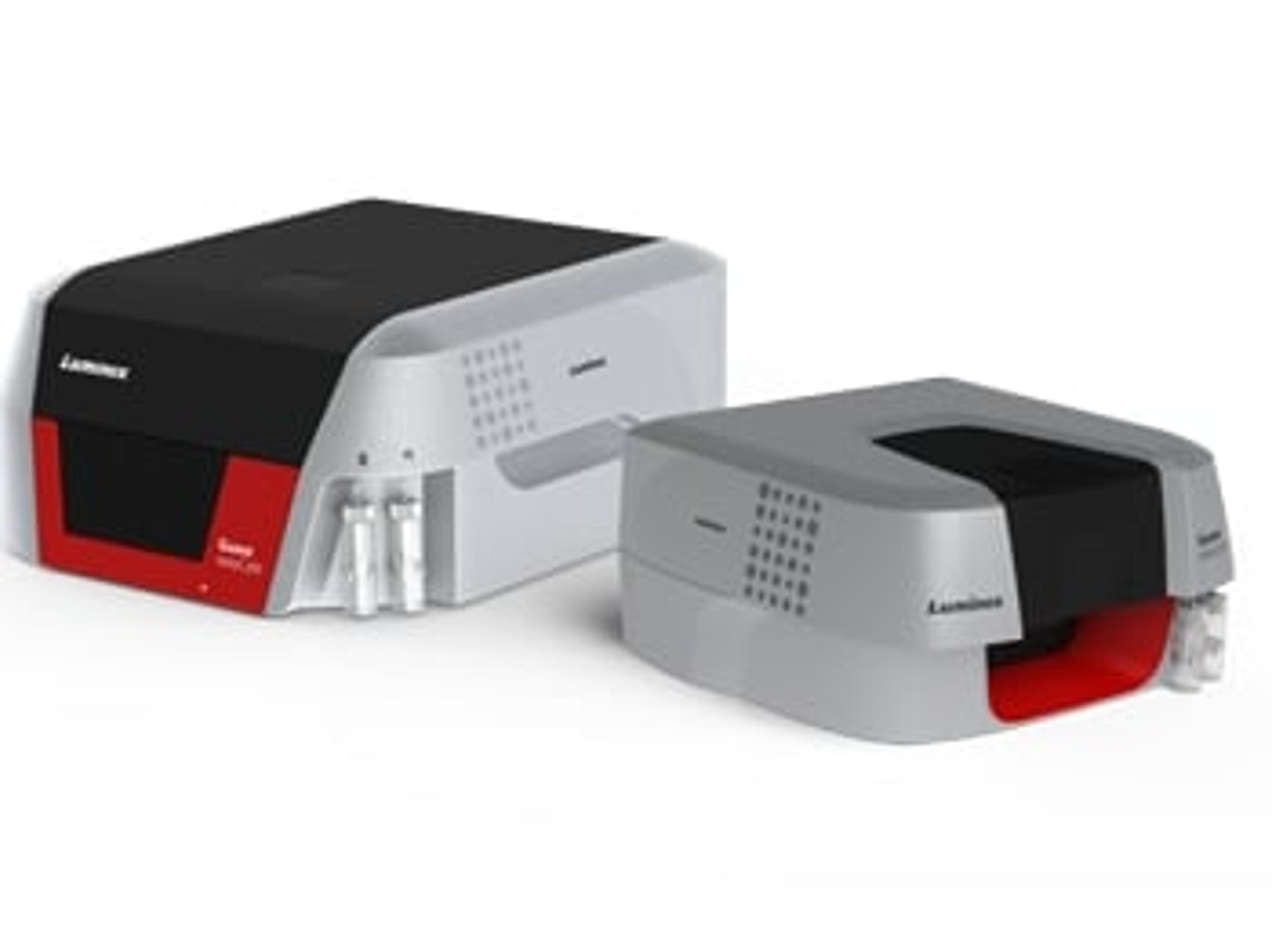
Guava® easyCyte™
LuminexOur microcapillary flow cytometry systems are simpler to operate than traditional sheath-fluid based instruments and are far easier to maintain. They utilize small sample volumes, generate minimal waste, and have lower operating costs. As a result, easyCyte™ Flow Cytometers are uniquely amenable to on-demand use in the laboratory environment and have helped many scientists achieve insightful cellular analysis since 1998.
Links
Tags
Flow Cytometry / Cell CountingFlow cytometers are used to count, sort and examine multiple characteristics of cells. Other cell analysis equipment includes image cytometers, cell counters, fluorescence-activated cell sorters (FACS), magnetic-activated cell sorters (MACS), and a range of flow cytometry assay kits. Flow cytometers can reveal information on cell viability, cell proliferation, apoptosis and cell cycle progression, as well as identify cell populations and intracellular or cell-surface molecules. Additionally, some flow cytometers, known as FACS, have an additional sorting function after analysis. Cell counters and image cytometers count live and dead cell populations and can also conduct cell proliferation assays. Find the best flow cytometers, cell counters and cell sorters in our peer-reviewed product directory: compare products, check customer reviews and receive pricing direct from manufacturers.ApoptosisApoptosis, or programmed cell death, is a vital process for healthy tissues and is key to our understanding of disease mechanisms like cancer and neurodegeneration. Research tools enable apoptosis detection, quantification, and analysis. Browse products for apoptosis research in our peer-reviewed product directory.Monoclonal AntibodiesMonoclonal antibodies (mAbs) are lab-made molecules that can bind to specific antigens on cells, making them highly effective in treating cancers, autoimmune diseases, and infections. These targeted therapies are transforming the treatment landscape for many conditions. Browse our peer-reviewed product directory to find monoclonal antibodies for research and clinical applications; compare products, check reviews, and get pricing directly from manufacturers.Cell ViabilityCell viability assays assess the health of cells and their ability to proliferate. These tests are crucial in drug development, toxicity testing, and cell-based research. Common methods for assessing viability include MTT, live/dead assays, and flow cytometry. Browse our peer-reviewed product directory to find the best tools for cell viability assays, compare products, check reviews, and get pricing directly from manufacturers.Cell GrowthCell growth refers to the process by which cells increase in size and number. It is essential for tissue development, wound healing, and cancer research. Understanding and controlling cell growth is a fundamental part of cell biology and regenerative medicine. Browse our peer-reviewed product directory to find the best tools for studying cell growth, compare products, check reviews, and get pricing directly from manufacturers.Cell ProliferationCell proliferation refers to the process by which cells divide and multiply. This is a key concept in cancer research, tissue regeneration, and immunology studies. Explore cell proliferation tools in our peer-reviewed product directory; compare products, check reviews, and get pricing directly from manufacturers.Cell Based AssaysCell-based assays use living cells to measure biological responses to various treatments or stimuli. They are essential for drug discovery, toxicology testing, and understanding cellular mechanisms. These assays are used to assess cell viability, proliferation, gene expression, and other cellular activities. Browse our peer-reviewed product directory to find the best cell-based assay tools and reagents, compare products, read customer reviews, and get pricing directly from manufacturers.Cell Based AutomationCancer ResearchAlthough cancer is often referred to as a single condition, it actually consists of more than 100 different diseases. Microscopy, mass spectrometry, high throughput sequencing and flow cytometry are some of the most common techniques employed in cancer research labs.