
Spectral Signature Analysis of Surface Functionalized Nanoparticles
5 Mar 2019Nanotechnology is a rapidly developing field that has caught the interest of the scientific community due to its potential applications in biomedical research. Nanomaterials are typically less than 100 nm in diameter, making them small enough to penetrate mammalian cells. Nanomaterials can be synthesized in many shapes, such as rods, tubes, and particles, as well as in varying elemental compositions such as metals, metal oxides, and combinations of these. Their large surface area to volume ratio makes them suitable for surface functionalization, allowing for attachment of targeting or therapeutic molecules. When nanoparticles are delivered systemically, attached targeting molecules enable detection of certain cell populations, such as tumor cells, while attached therapeutic compounds can act on the targeted cells.
Related products
Request Quote for All Products
SoftMax® Pro Microplate Data Acquisition & Analysis Software
Molecular Devices®SoftMax ® Pro Software is designed to provide the simplicity, flexibility and power required for advanced data analysis. It provides ready-to-run protocols, analysis algorithms, and 21 different curve fit options. Every step has been optimized for data acquired from a Molecular Devices microplate reader or data imported from another source to simplify analysis and reporting. FDA 21 CFR Part 11 compliance tools are available for regulated laboratories providing end-to-end chain of custody.
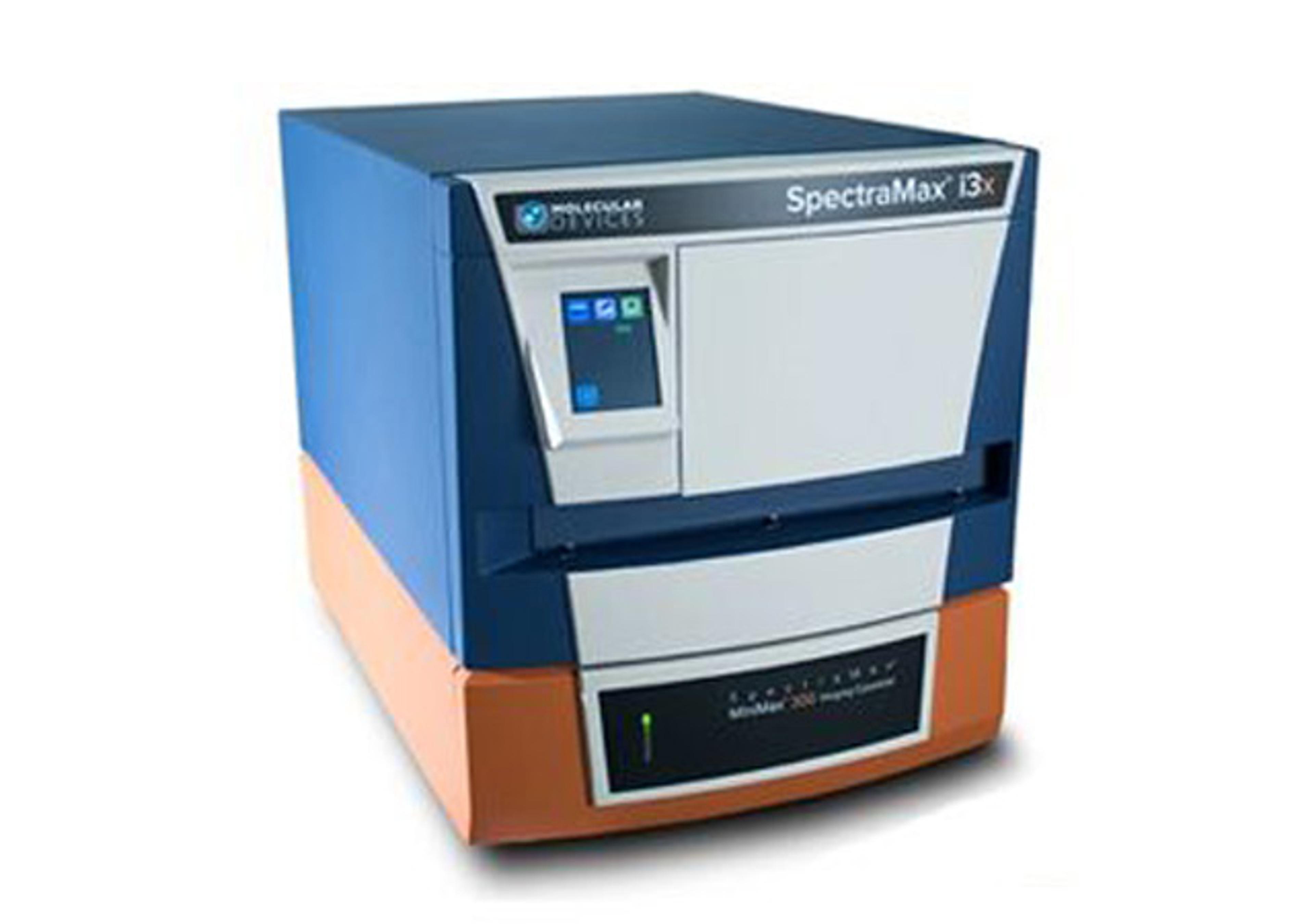
SpectraMax i3x Multi-Mode Microplate Reader with MiniMax Imaging Cytometer
Molecular Devices®Measures Absorbance, Fluorescence, and Luminescence with the added functionality of modular upgrades