Odyssey Western Blot Blocker Optimization for Near-Infrared (NIR) Detection

13 Jul 2018

This document describes a method to determine optimal blocking conditions for NIR Western blot detection with the Odyssey family of Imagers. The specific lysate and antibodies used in your system will be evaluated in four different blocking buffer systems. The buffering system will also be evaluated in this experiment.

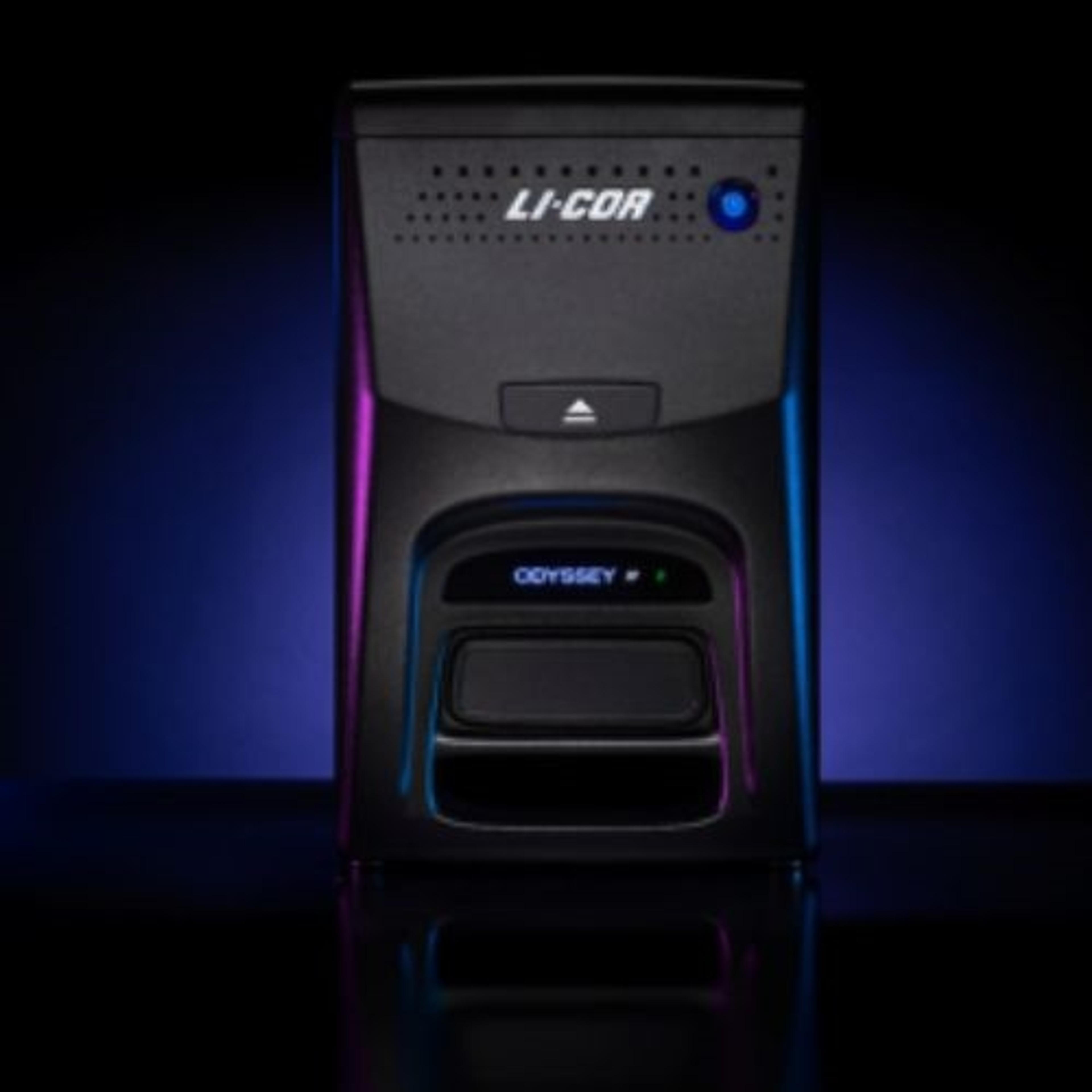
Odyssey XF Imaging System

LICORbio

The Odyssey XF is the perfect entry point for labs transitioning from qualitative chemiluminescent Western blotting to more robust quantitative data analysis. Drawing from more than 30 years of imaging expertise, the Odyssey XF offers unmatched dynamic range with the click of a mouse. In addition to two NIR lasers, it has LED and CCD capabilities, providing multi-functional versatility for greater value.
(0)

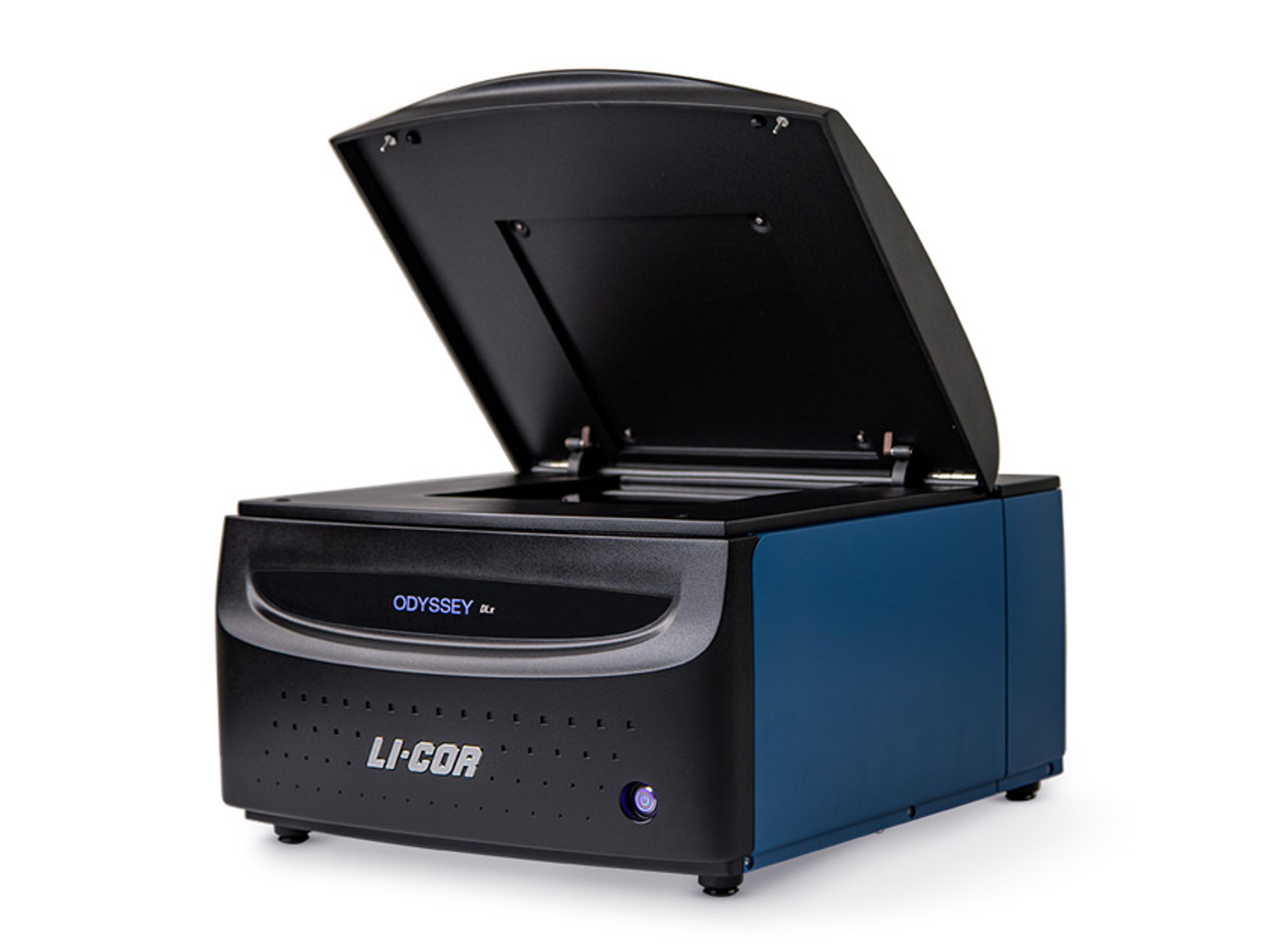
Odyssey DLx Infrared Imaging System

LICORbio

The Odyssey DLx Imaging System delivers accurate, reproducible, and quantitative data with near-infrared fluorescence. It supports Western blots, In-Cell Western™ Assays and other plate-based assays, cell-based assays, EMSAs, DNA and protein gels, protein arrays, and tissue section imaging. Discover more with the groundbreaking Odyssey technology cited in over 120,000 peer-reviewed publications.
(0)

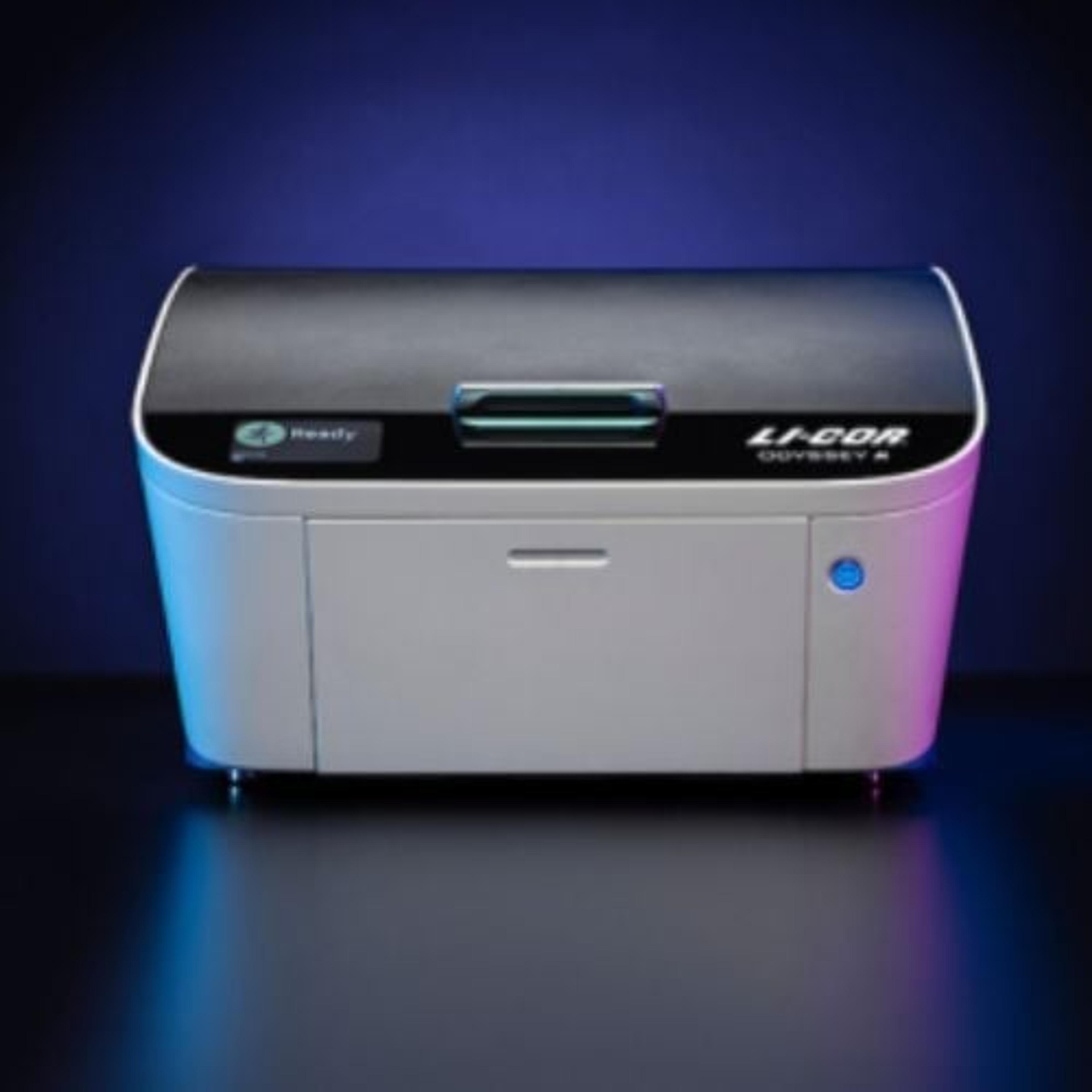
Odyssey M Imaging System

LICORbio

The Odyssey M is the most versatile and sophisticated biomolecular imager on the market. With 19 available channels, industry-leading 5 µm resolution, >6 logs of dynamic range, and an onboard luminescence module, the Odyssey M gives researchers a multimodal imaging solution with unparalleled capabilities and performance. Discover more with the groundbreaking Odyssey technology cited in over 40,000 peer-reviewed publications.

(3)

Links

Tags

Western BlottingWestern blotting equipment is used to transfer and identify specific proteins within a sample, reveal protein modifications, as well as give a semi-quantitative estimation of their concentration. Western blotting equipment includes all apparatus necessary to transfer proteins from gel to membrane and subsequent processing steps. Protein transfer can be performed by electroblotting with wet, semi-dry and dry transfer systems onto nitrocellulose and PVDF membranes. Blocking, washing and labeling of membranes follows, involving buffers, blocking reagents, blotting / incubation trays, labeling reagents, immunoblotting assays, antibodies and conjugates. Automated equipment for these steps is available to accelerate your lab workflow. Finally, detection and imaging of proteins can be conducted using gel documentation and imaging systems. Find the best western blotting equipment in our peer-reviewed product directory: compare products, check customer reviews and receive pricing direct from manufacturers.ProteomicsProteomics is the systemic bioinformatics study of proteins and amino acids, including their structure, size, function and identification. Tools used in proteomics include chromatography, blotting and gels, protein arrays, mass spectrometry and ELISA and associated analysis software. Analyzers and proteomic systems should be sensitive, high resolution, fast and may be automated for high-throughput.Gel Doc / Image AnalysisGel documentation (gel doc) or gel imaging systems are used for the analysis of proteins, antibodies and nucleic acid immobilized in polyacrylamide or agarose gels, membranes or microarrays. Explore a range of a gel imaging systems, densitometers, scanners, transilluminators or UV lamp + CCD cameras for your image analysis solutions. Colorimetric, fluorescent and/or radioisotopic samples can be visualized and documented for further analysis. See gel doc / Image analysis software for quantitative 1D and 2D analysis of your samples. Find the best gel doc / image analysis products in our peer-reviewed product directory: compare products, check customer reviews and receive pricing direct from manufacturers.Protein PurificationProtein purification is a vital step in drug discovery, therapeutics, biotech and life science research. The purification process typically involves subcellular or membrane protein extraction with cell lysis kits, separation of proteins from cell debris by filtration or spin columns, and the isolation of proteins of interest from other proteins and impurities with affinity purification (including fusion protein tags and antibody binding proteins A, G and L), immunoprecipitation or chromatographic methods, such as ion exchange, size exclusion and immobilized metal affinity chromatography. All purification methods come in multiple formats for your laboratory needs, including agarose or magnetic beads, resins, columns and filter plates. Find the best protein purification equipment in our peer-reviewed product directory: compare products, check customer reviews and receive pricing direct from manufacturers.Monoclonal AntibodiesMonoclonal antibodies (mAbs) are lab-made molecules that can bind to specific antigens on cells, making them highly effective in treating cancers, autoimmune diseases, and infections. These targeted therapies are transforming the treatment landscape for many conditions. Browse our peer-reviewed product directory to find monoclonal antibodies for research and clinical applications; compare products, check reviews, and get pricing directly from manufacturers.Secondary AntibodiesBlotting
Odyssey Western Blot Blocker Optimization for Near-Infrared (NIR) Detection