Fenceline and Ambient Monitoring of Benzene and Other Hydrocarbons using Diffusive Sampling and TD Analysis
18 Sept 2014This application note provides an overview of options for the diffusive sampling of benzene and other hydrocarbons in air.
Related products
Request Quote for All Products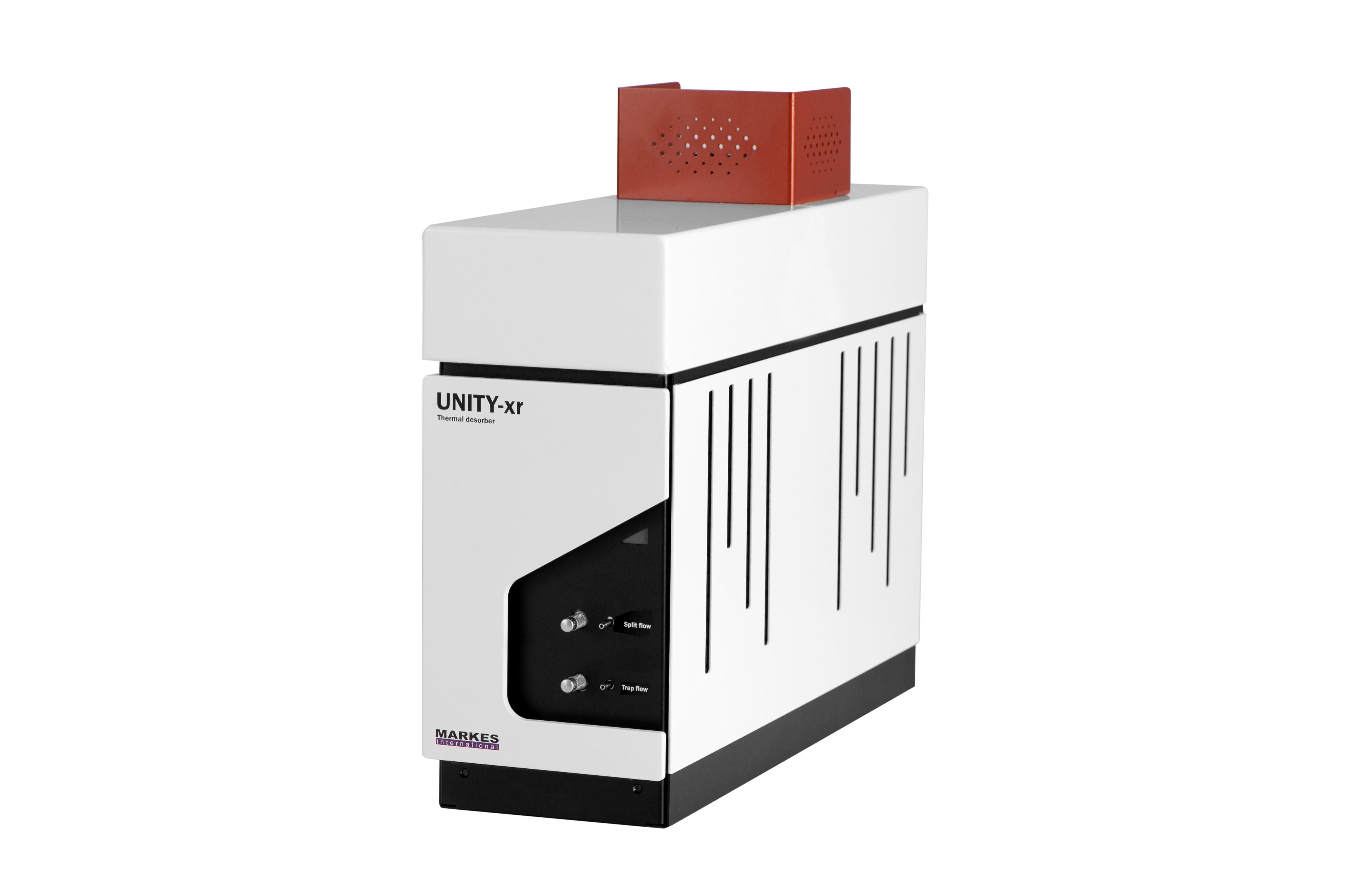
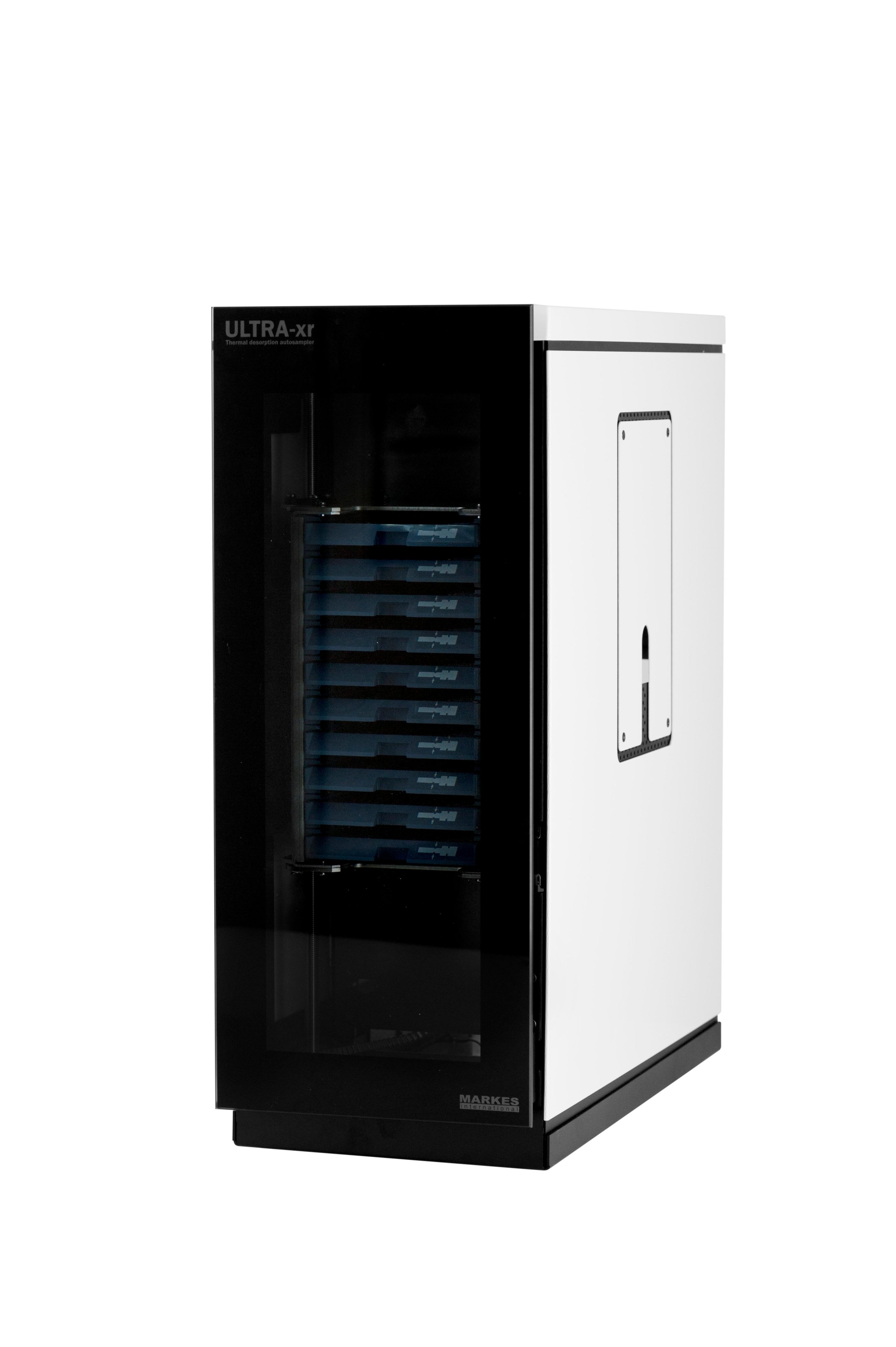
UNITY-xr
Markes International LtdVersatile single-tube analytical thermal desorption unit for GC or GC–MS
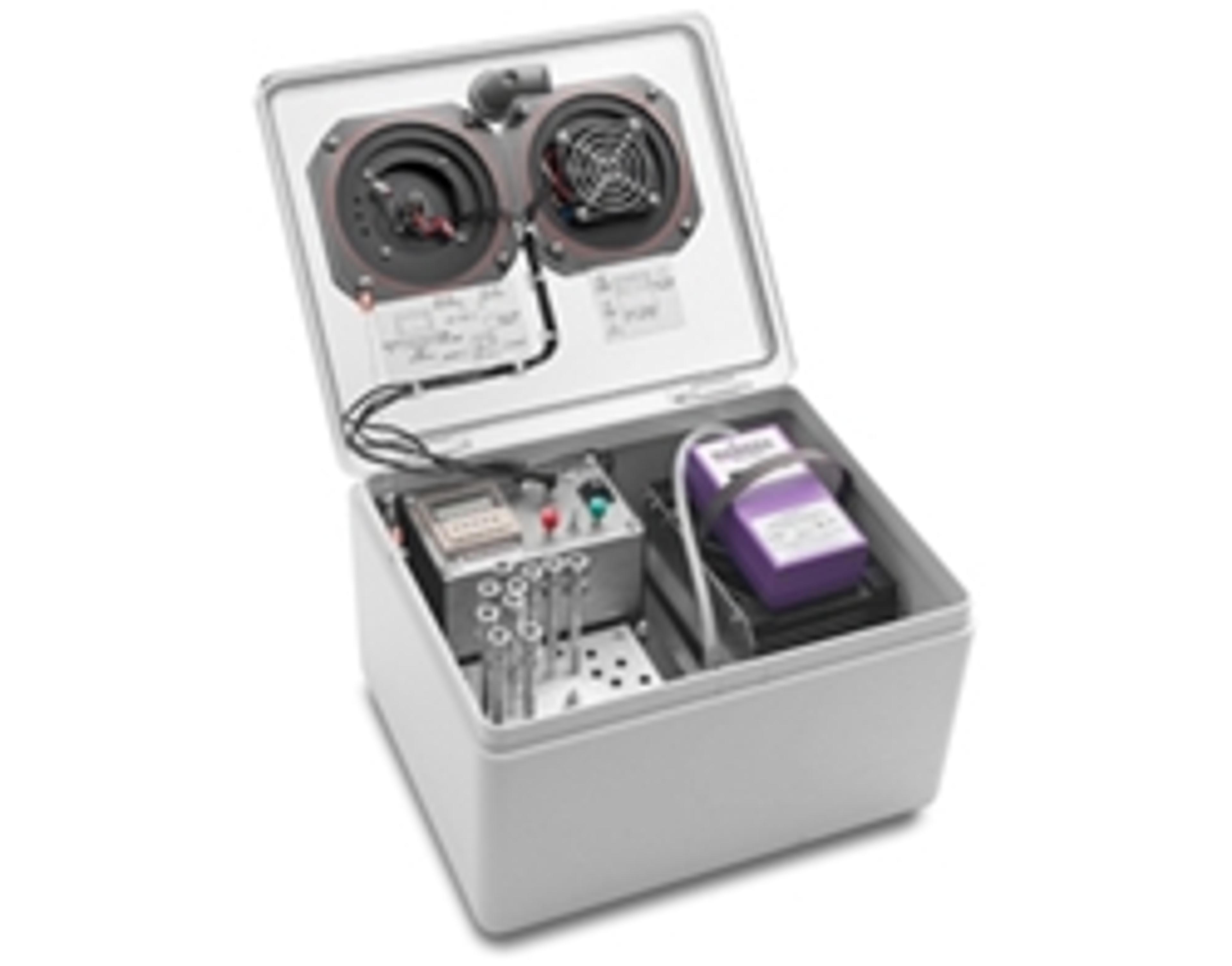
MTS-32
Markes International LtdMulti-tube sequential sampler. The MTS-32™ is a compact, portable sampler for the unattended sequential sampling of air onto a series of sorbent tubes. Constant-flow pump technology ensures that the same volume of air is collected onto each tube.The MTS-32 is ideal for analysts needing monitor the concentrations of organic vapours in air as they fluctuate over extended time periods.Features: Sequentially samples on up to 32 × 3½-inch tubes. Constant-flow pump ensures consistent sample volumes regardless of variations in tube impedance. Diffusion-locking technology (Markes’ SafeLok™ tubes or DiffLok™ caps) prevent sample losses and ingress of contaminants. Integral fan continually refreshes the air inside the case, ensuring that the air sampled accurately reflects the immediate environment. Powered by mains electricity or a battery (will run for over 40 hours on battery). Protective gauze across the fan inlet prevents particulates or wildlife from entering. Constructed of low-outgassing components. Field-portable – the MTS-32 can be used virtually anywhere. Applications: Monitoring diurnal fluctuations of pollutants in ambient air. Continuous monitoring of emission events in industrial locations.