
Monoclonal Anti-α-Tubulin antibody produced in mouse
α-tubulin, also called tubulin α 4a (TUBA4A), is mapped to human chromosome 2q35. The gene codes for a member of the α-tubulin family, and contains 448 amino acids. TUBA4A belongs to the subfamily of tubulin, which is the major building block of microtubules. α-subunit of tubulin has molecular weight of 50,000.Monoclonal Anti-α-Tubulin (mouse IgG1 isotype) is derived from the DM1A hybridoma produced by the fusion of mouse myeloma cells and splenocytes from immunized BALB/c mice. Purified chick brain microtubules were used as immunogen. The isotype is determined by a double diffusion immunoassay using Mouse Monoclonal Antibody Isotyping Reagents, Product Number ISO2. The product is Protein A purified Monoclonal Anti-α-Tubulin antibody conjugated to fluorescein isothiocyanate, isomer I. It is purified by gel filtration and contains no detectable free FITC. Anti-α-Tubulin FITC antibody, Mouse monoclonal specifically recognizes an epitope in the carboxy terminal part of α-tubulin. It localizes α-tubulin in human, monkey, bovine, chicken, goat, murine, rat, gerbil, hamster, rat kangaroo, amphibia, sea urchin, trypanosome, yeast, fungi and tobacco.
Product Details
- Cat. No.
- T9026
- Type
- Primary Antibody
- Clonality
- Monoclonal
- Host
- Mouse
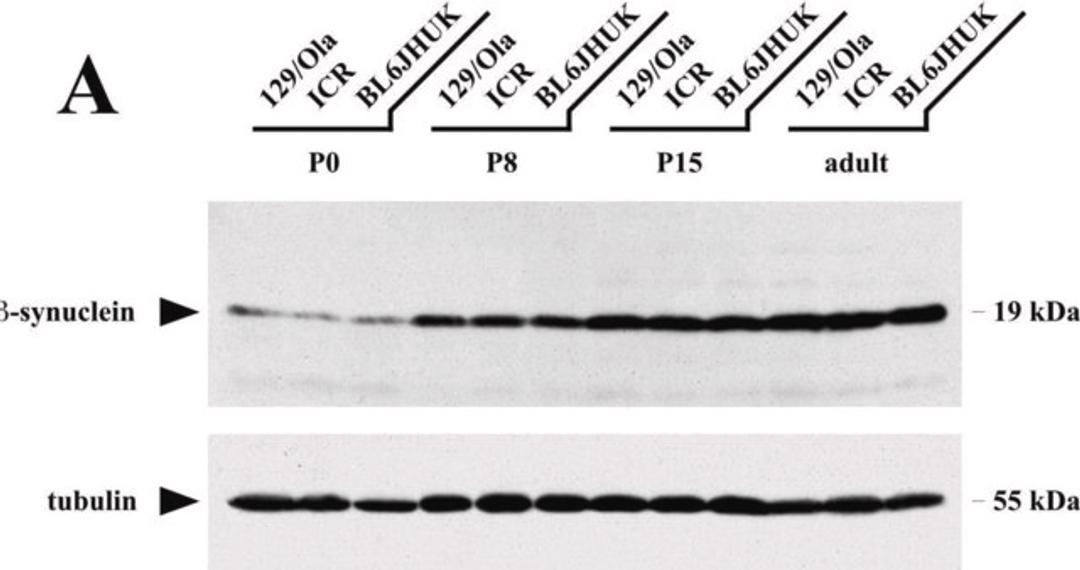

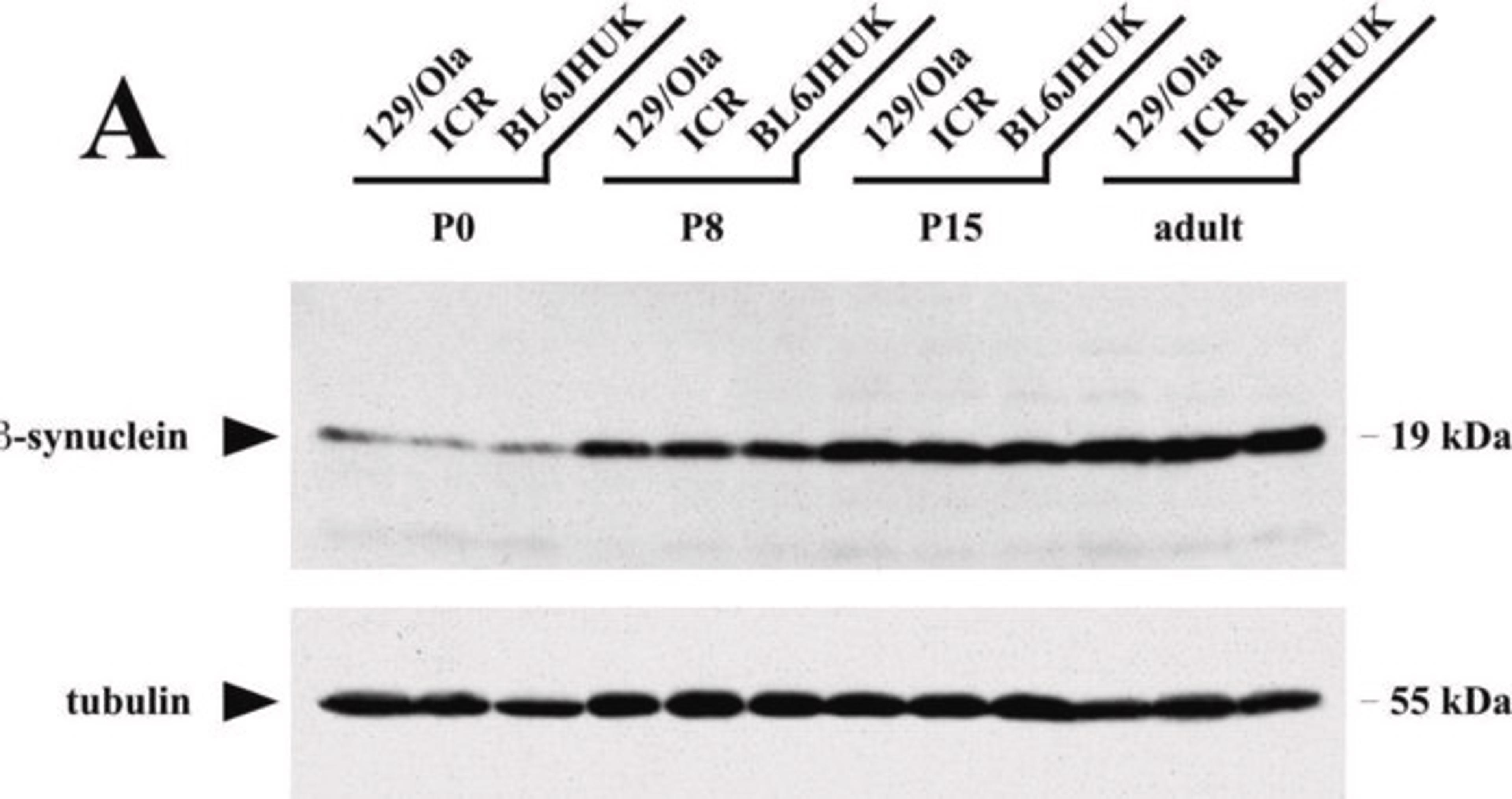
The supplier does not provide quotations for this antibody through SelectScience. You can search for similar antibodies in our Antibody Directory.
Reviews
Good quality/price.
Western blot
Great reproducible results using very little antibody. Good quality/price.
Review Date: 20 Mar 2021 | Merck KGaA, Darmstadt, Germany
Applications
- Immunofluorescence (IF)
- Western Blotting (WB)
Antibody Overview
About the company

Merck KGaA, Darmstadt, Germany
Merck, a leading science and technology company, operates across healthcare, life science and performance materials. Around 57,000 employees work to make a positive difference to millions of people’s lives every day by creating more joyful and sustainable ways to live. From advancing gene editing technologies and discovering unique ways to treat the most challenging diseases to enabling the intelligence of devices – the company is everywhere. In 2019, Merck generated sales of €16.2 billion in 66 countries.