

Single-section spatial proteomics enables comprehensive lung cancer diagnosis
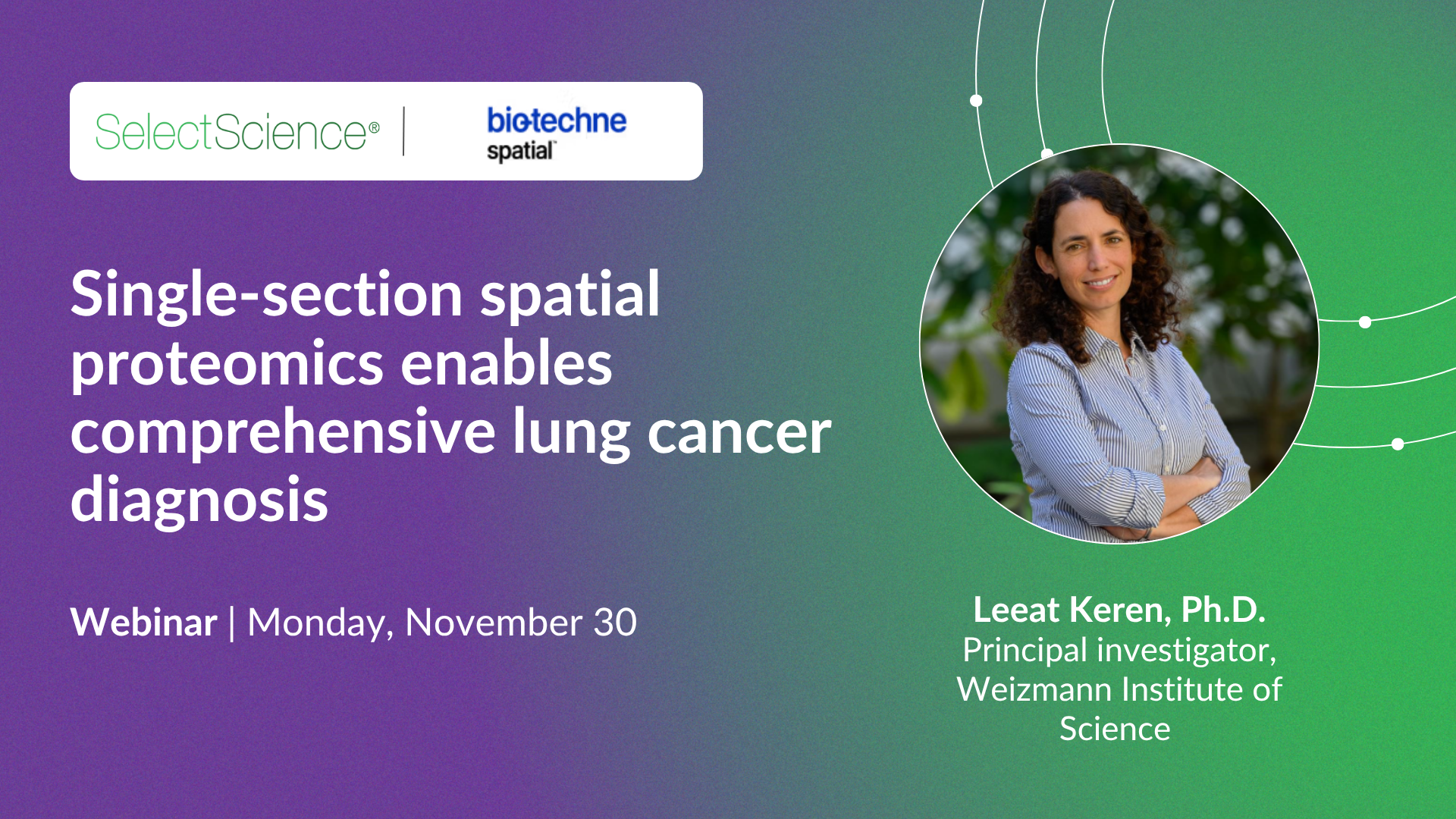
Monday, November 30 at 14:00 GMT | 15:00 CET | 09:00 EST | 06:00 PST
Lung cancer diagnosis increasingly depends on small biopsy samples, placing growing pressure on laboratories to extract as much clinically relevant information as possible from limited tissue. Conventional sequential testing for histopathology, PD-L1 expression, molecular biomarkers, and immune profiling can rapidly exhaust precious samples and extend the time to treatment decisions.
In this SelectScience webinar, discover a single-section multiplexed imaging approach designed to bring these analyses together in one tissue-preserving workflow. The method enables simultaneous tumor classification, PD-L1 scoring, assessment of actionable biomarkers, and detailed immune profiling, while achieving 96% concordance with standard pathology.
Explore how multiplexed imaging could help streamline lung cancer diagnostic workflows by reducing the need for multiple sequential assays and enabling quantitative, automated analysis from a single tissue section. You will also learn how the resulting high-dimensional spatial data can provide new insights into the tumor microenvironment, creating opportunities for both clinical assessment and translational research.
Certificate of attendance
If you attend the live webinar, you will automatically receive a certificate of attendance, including a learning outcomes summary, for continuing education purposes.
If you view the on-demand webinar, you can request a certificate of attendance by emailing editor@selectscience.net.
Webinar details
Cost: Free to attend
Location: Online
Duration: 60 minutes
Registration is required to secure your place. If you register but can’t attend live, you will receive a link to the on‑demand recording once it becomes available.
Speakers


Who should attend?
- Spatial biology researchers in academia and biopharma
- Pathologists and molecular pathologists working in oncology diagnostics
- Biomarker and translational research scientists focused on lung cancer or immuno-oncology
- Companion diagnostics and precision medicine teams in pharma/biotech
- Lab directors and clinical researchers evaluating multiplexed imaging workflows
Featured products
Request Quote for All Products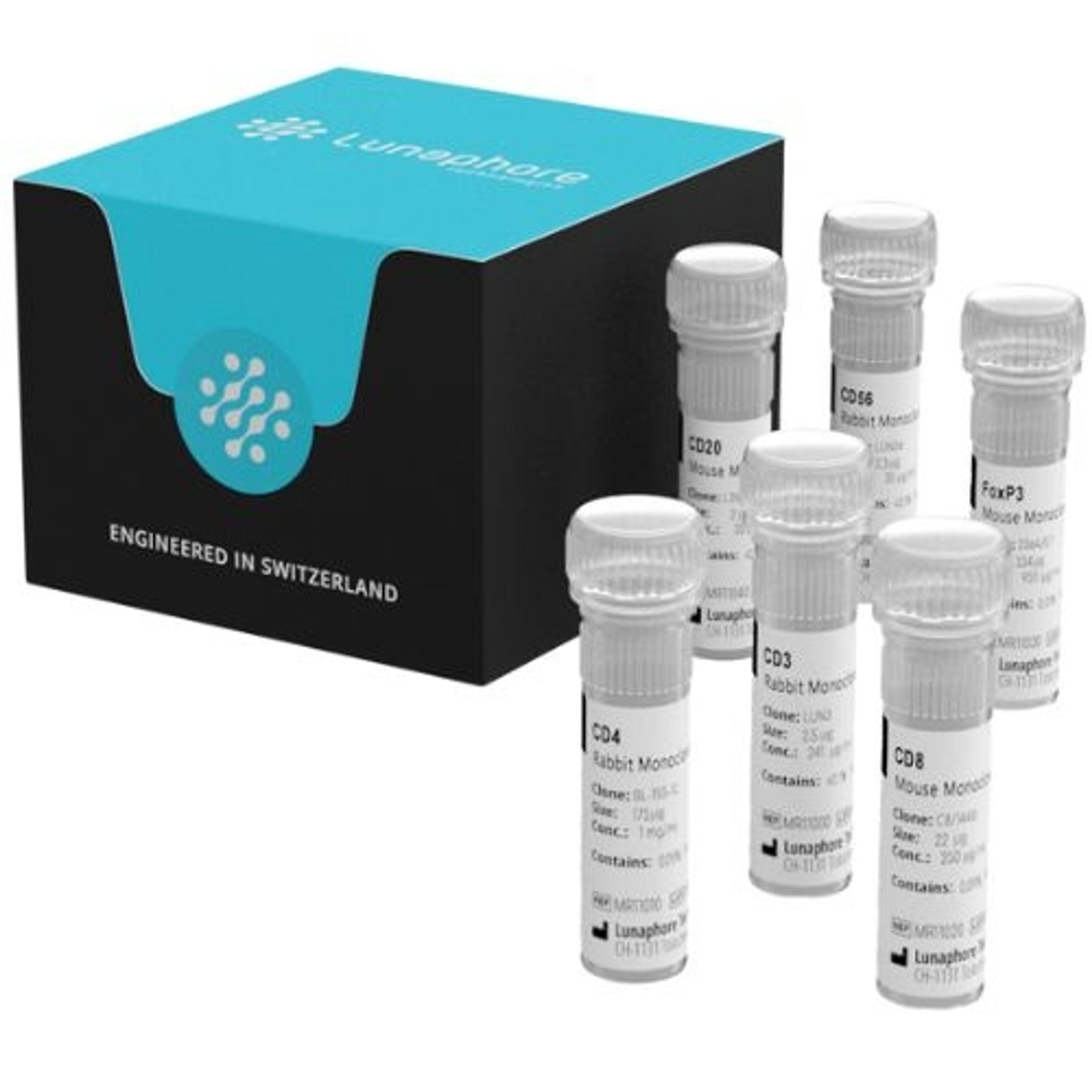
COMET
Bio-Techne SpatialCOMET™ is a fully automated, high-throughput, hyperplex platform for the analysis of Formalin-Fixed, Paraffin-Embedded (FFPE), and frozen tissues.
What will this webinar cover?
Key learning objectives:
- Understand the challenges associated with sequential testing of limited lung cancer biopsy material
- Discover how a single-section multiplexed imaging workflow can integrate tumor classification, PD-L1 scoring, actionable biomarker assessment, and immune profiling
- Explore the potential of automated quantitative analysis to support more efficient and standardized tissue assessment
- Learn how spatially resolved biomarker data can extend the value of diagnostic samples for translational research
Join the webinar to get answers to these questions:
- What challenges arise from sequentially testing limited lung cancer biopsy material?
- How can one tissue section support multiple diagnostic analyses?
- Can multiplexed imaging deliver reliable tumor classification and PD-L1 scoring?
- How can automated quantitative analysis improve tissue assessment?
- How can spatial biomarker data advance tumor microenvironment research?