

Reducing the environmental impact of lab plastics with plant-based solutions
Wednesday, March 12 at 16:00 GMT | 17:00 CET | 12:00 EDT | 09:00 PDT
Whilst plastics are essential in laboratory and biomanufacturing processes due to their efficiency and reliability, they can generate significant waste and contribute to carbon footprints. As a result, many laboratories are now considering the environmental impact of plastics and are seeking alternative solutions.
Biobased plastics provide a greener alternative. These plastics are manufactured from plastic resins derived from biobased raw materials, rather than fossil fuel-based feedstocks, significantly lowering the product’s carbon emissions footprint without sacrificing quality or performance.
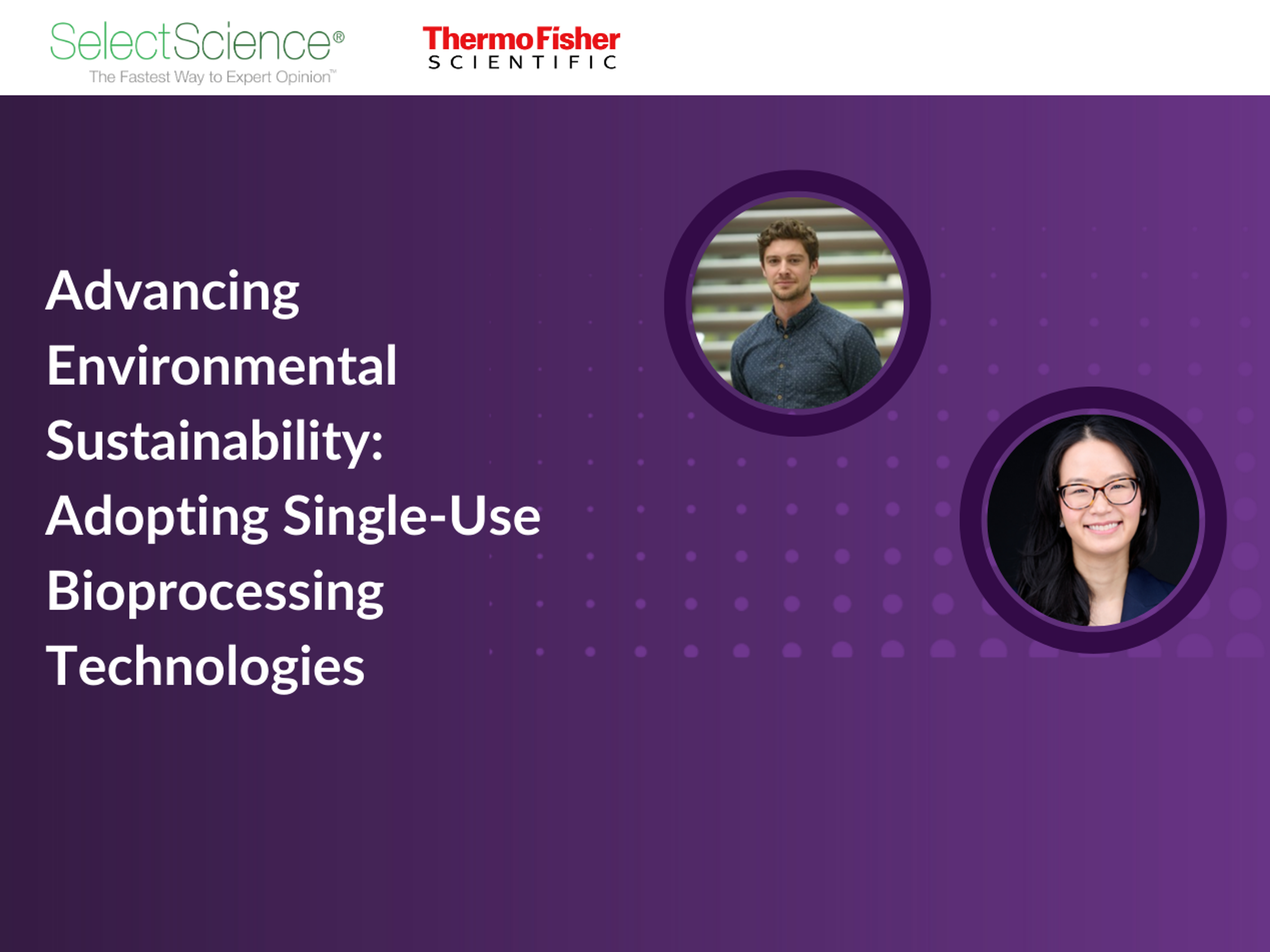
In this SelectScience webinar, hear from Thermo Fisher Scientific experts, Dr. Colin Wright, Staff Scientist, R&D and Dr. Sune Lund Sporring, Senior Manager R&D, as they share insights into traditional fossil fuel-based resins compared to biobased alternatives. You will also learn how the chain-of-custody for biobased feedstocks are certified by the globally recognized International Sustainability and Carbon Certification (ISCC) system. Plus, understand how the “mass balance” approach helps ensure traceability of biobased material through the supply chain.
Certificate of attendance
If you attend the live webinar, you will automatically receive a certificate of attendance, including a learning outcomes summary, for continuing education purposes.
If you view the on-demand webinar, you can request a certificate of attendance by emailing editor@selectscience.net.
Webinar details
- Cost: Free to attend
- Location: Online
- Duration: 60 minutes
Registration is required to secure your place. If you register but can’t attend live, you will receive a link to the on‑demand recording once it becomes available.
Speakers



Who should attend?
- Lab technicians, scientists and researchers in the pharma and biopharma industries as well as academia
What will this webinar cover?
- Understand the basic of resins and sustainability
- Learn about the role of biobased resins in sustainability
- Explore Thermo Fisher Scientific’s Greener by Design initiative
- Identify practical steps for laboratories to reduce environmental impact
Links
Related content

Paving the way to lab sustainability with innovative, green-certified instruments
Explore the role of greener purchasing in reducing the environmental impact of scientific research and improving lab sustainability