Development of a human endometrium-on-a-chip to model human embryo adhesion
Thursday, October 1 at 16:00 BST | 17:00 CEST | 11:00 EDT | 08:00 PDT
Understanding how the embryo and endometrium interact during the earliest stages of pregnancy is a major focus of reproductive research. As increasingly sophisticated human-relevant models become available, researchers are gaining new opportunities to investigate embryo implantation, endometrial receptivity, and the biological processes that support successful pregnancy.
In this SelectScience® webinar, Sofia Zaragozano, Doctoral Researcher at the Carlos Simon Foundation for Women's Health, will share how her work to better understand human embryo adhesion led to the development of a pioneering Endometrium-on-a-Chip model using Emulate's organ-on-a-chip technology. Designed to recreate the dynamic endometrial microenvironment during the earliest stages of implantation, the platform provides researchers with a more physiologically relevant in vitro approach for studying embryo-endometrium interactions.
Zaragozano will share how her team developed the Endometrium-on-a-Chip, and will demonstrate how the platform is helping researchers investigate endometrial receptivity, embryo attachment, and the impact of pharmacological modulation on early implantation events.
By attending this free webinar, you will discover how organ-on-a-chip technology is advancing the study of embryo implantation, providing new insights into reproductive biology and enabling more physiologically relevant models for fertility research, endometrial disorders, and future therapeutic development.
Certificate of attendance
If you attend the live webinar, you will automatically receive a certificate of attendance, including a learning outcomes summary, for continuing education purposes.
If you view the on-demand webinar, you can request a certificate of attendance by emailing editor@selectscience.net.
Webinar details
Cost: Free to attend
Location: Online
Duration: 60 minutes
Registration is required to secure your place. If you register but can’t attend live, you will receive a link to the on‑demand recording once it becomes available.
Speakers


Who should attend?
- Reproductive biology and fertility research
- Embryo implantation and endometrial receptivity
- Endometrial disorders and women’s health
- In vitro model development and organ-on-a-chip technology
- Drug discovery and pharmacology related to reproductive health
- Translational research seeking more human-relevant alternatives to traditional preclinical models
Featured products
Request Quote for All Products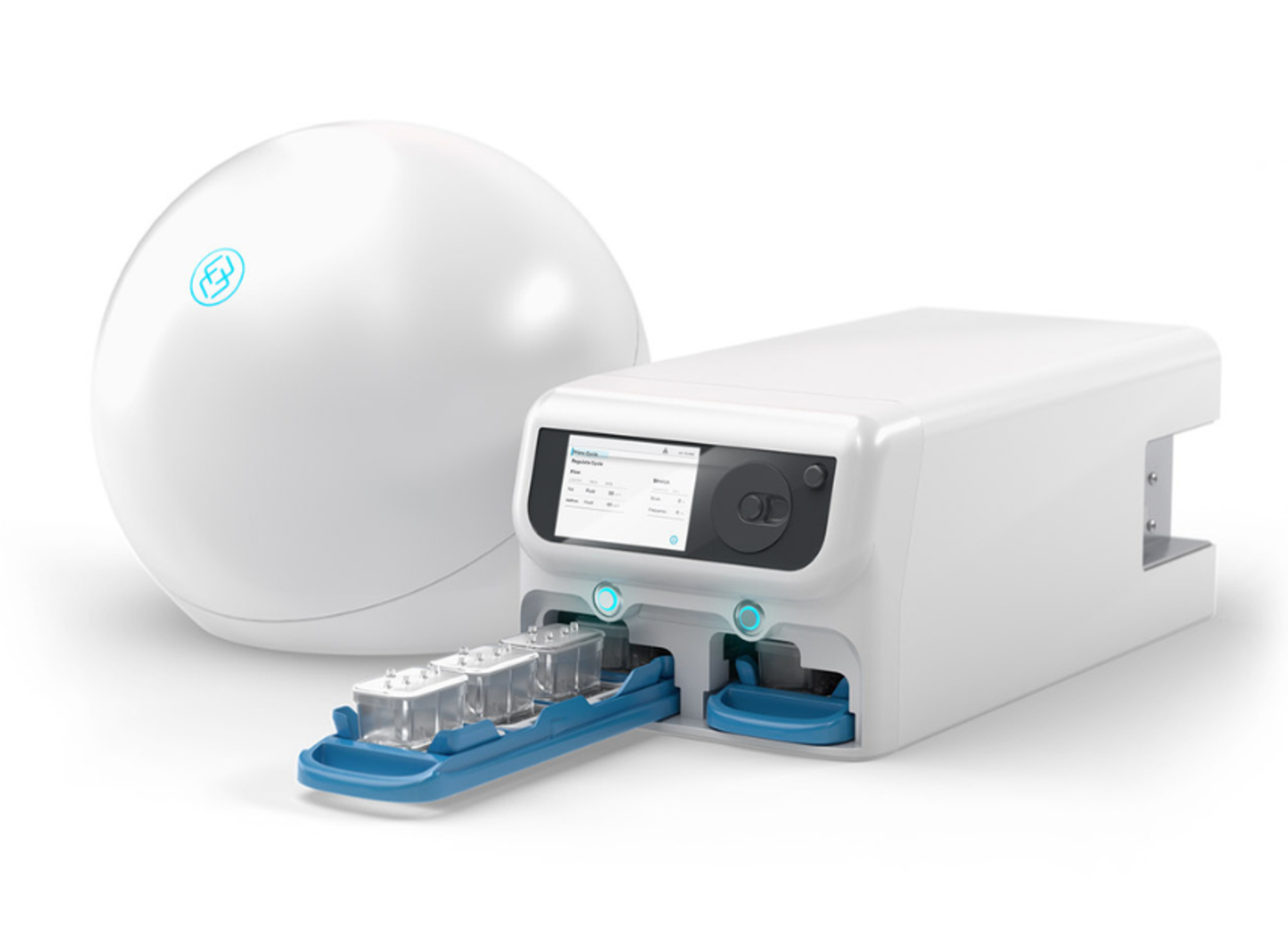
Zoë-CM2® Culture Module
EmulateThe Zoë-CM2® Culture Module combines instruments, consumables, and software, enabling unprecedented insights into human biology across a variety of organs.
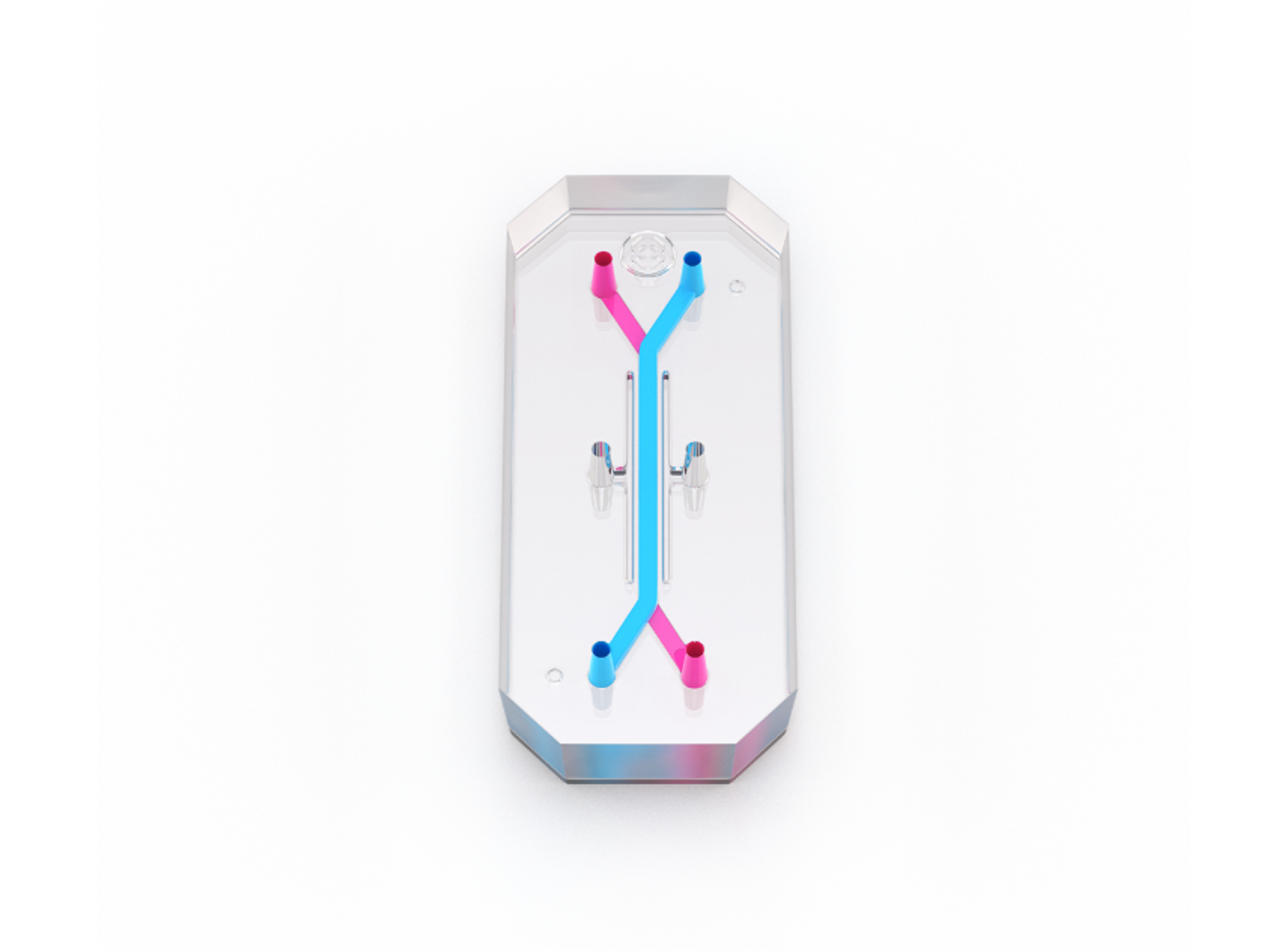
Chip-S1 Basic Research Kit (12-pack)
EmulateChip-S1® Stretchable Chip The pioneering Organ-Chip design that started a revolution in human-relevant in vitro modeling
What will this webinar cover?
Join the webinar to get answers to these questions:
- How does the Endometrium-on-a-Chip recreate the dynamic human endometrial microenvironment?
- What cellular composition and heterogeneity are revealed by single-cell RNA sequencing in this model?
- How is endometrial receptivity and stromal decidualization assessed in the Organ-Chip platform?
- In what ways does mifepristone disrupt endometrial receptivity and embryo attachment in this system?
- How can this platform be applied to study early embryo implantation and model endometrial disorders in vitro?