

How core labs are operationalizing Flex Apex for high-throughput scRNA-seq
Friday, October 23 at 16.30 BST | 17:30 CEST | 11:30 EDT | 8:30 PDT
As single-cell RNA sequencing (scRNA-seq) becomes an increasingly routine service in academic core facilities, the challenge is shifting from establishing workflows to scaling them efficiently. Sample scheduling, batch management, operator variability, and cost per sample are now critical factors in determining throughput and the number of projects a facility can support.
In this SelectScience® webinar, experts from 10x Genomics and the University of Illinois will explore the technologies, workflow optimizations, and practical strategies needed to scale single-cell RNA-seq services without compromising data quality.
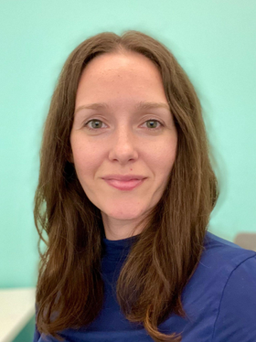
An expert from 10x Genomics will present the workflow and sample preparation considerations behind large-scale Flex Apex studies, including early sample fixation, plate-based multiplexing, automation, and updated magnetic-bead protocols, supported by experimental data. A core facility scientist from the University of Illinois will then share firsthand insights into the operational challenges and considerations involved in expanding her team's single-cell capabilities.
The webinar will conclude with a live Q&A, giving attendees the opportunity to put their questions to both speakers.
Certificate of attendance
If you attend the live webinar, you will automatically receive a certificate of attendance, including a learning outcomes summary, for continuing education purposes.
If you view the on-demand webinar, you can request a certificate of attendance by emailing editor@selectscience.net.
Webinar details
Cost: Free to attend
Location: Online
Duration: 60 minutes
Registration is required to secure your place. If you register but can’t attend live, you will receive a link to the on‑demand recording once it becomes available.
Speakers

Who should attend?
- Academic core facility managers and directors running or evaluating single-cell services
- Core lab technical staff and operators responsible for scRNA-seq sample processing
- Genomics and sequencing service providers assessing high-throughput single-cell offerings
- Principal investigators and lab heads planning large-scale or longitudinal single-cell studies through a core facility
Featured products
Request Quote for All Products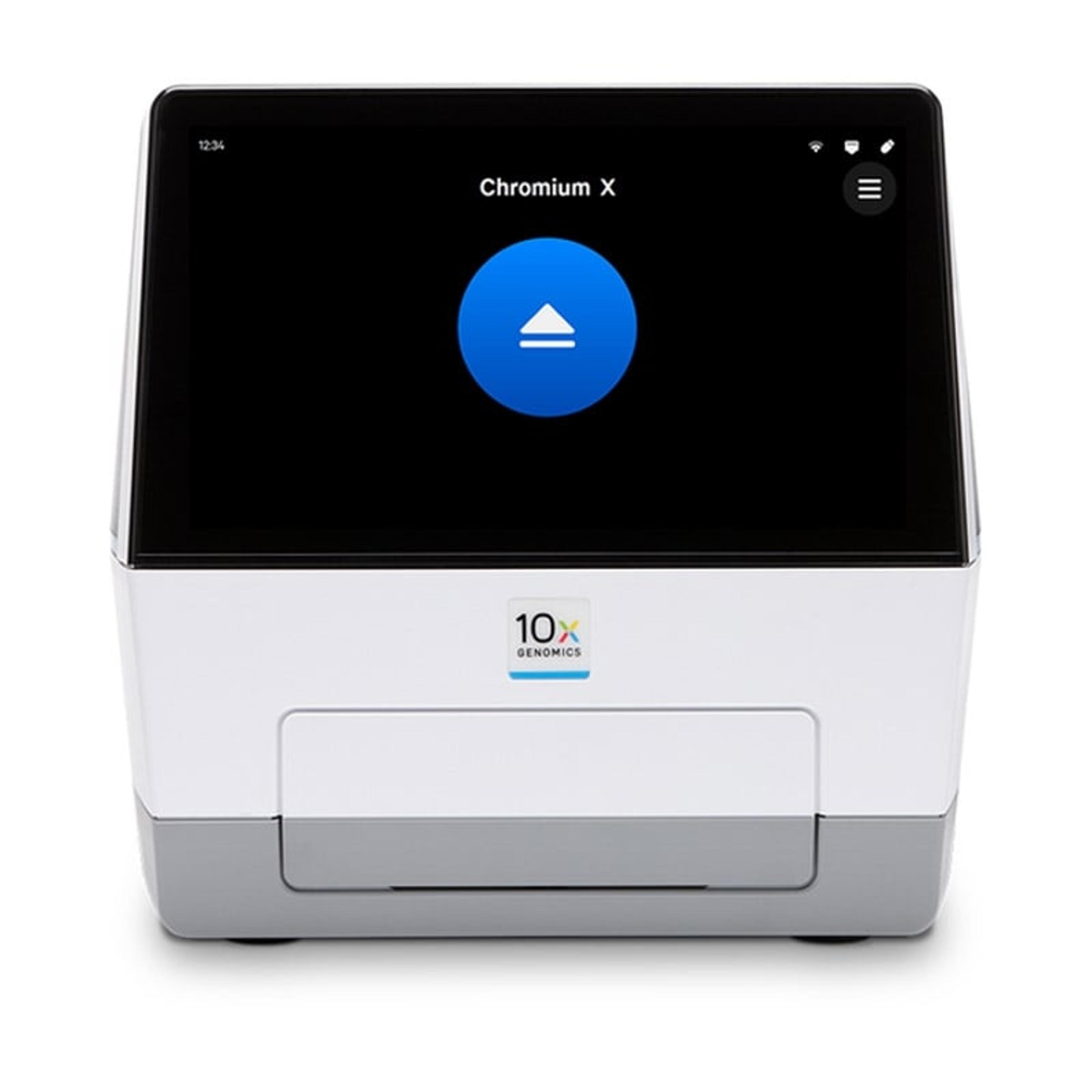
Chromium x Series
10x GenomicsCell partitioning and barcoding are the most critical steps of your workflow. Chromium X series instruments bring the advantages of automated single cell partitioning to your bench: superior efficiency, reproducibility, and performance with every run.
What will this webinar cover?
By the end of this webinar, attendees will understand:
- How early sample fixation decouples sample collection from instrument scheduling, and what that changes about how a core plans capacity
- How plate-based multiplexing enables profiling of up to 384 samples or 100 million cells per week, and how to decide between maximizing sample number, cells per sample, or a mix of both
- How our automation-first, magnetic-bead protocol reduces hands-on time, operator-to-operator variability, and improves cell recovery
- Real-world questions a core facility works through when moving from occasional single-cell projects to a scaled service, including staffing, batching strategy, and per-sample cost
Join the webinar to get answers to these questions:
- How does early sample fixation simplify scheduling and capacity planning?
- How can plate-based multiplexing scale profiling to 384 samples or 100 million cells weekly?
- How should cores balance sample numbers with cells per sample?
- How do automation and magnetic-bead protocols improve recovery and consistency?
- What staffing, batching, and cost factors matter when scaling a single cell service?