
Go beyond conventional diffuse reflectance infrared fourier transform spectroscopy (DRIFTS): Faster kinetics, greater control
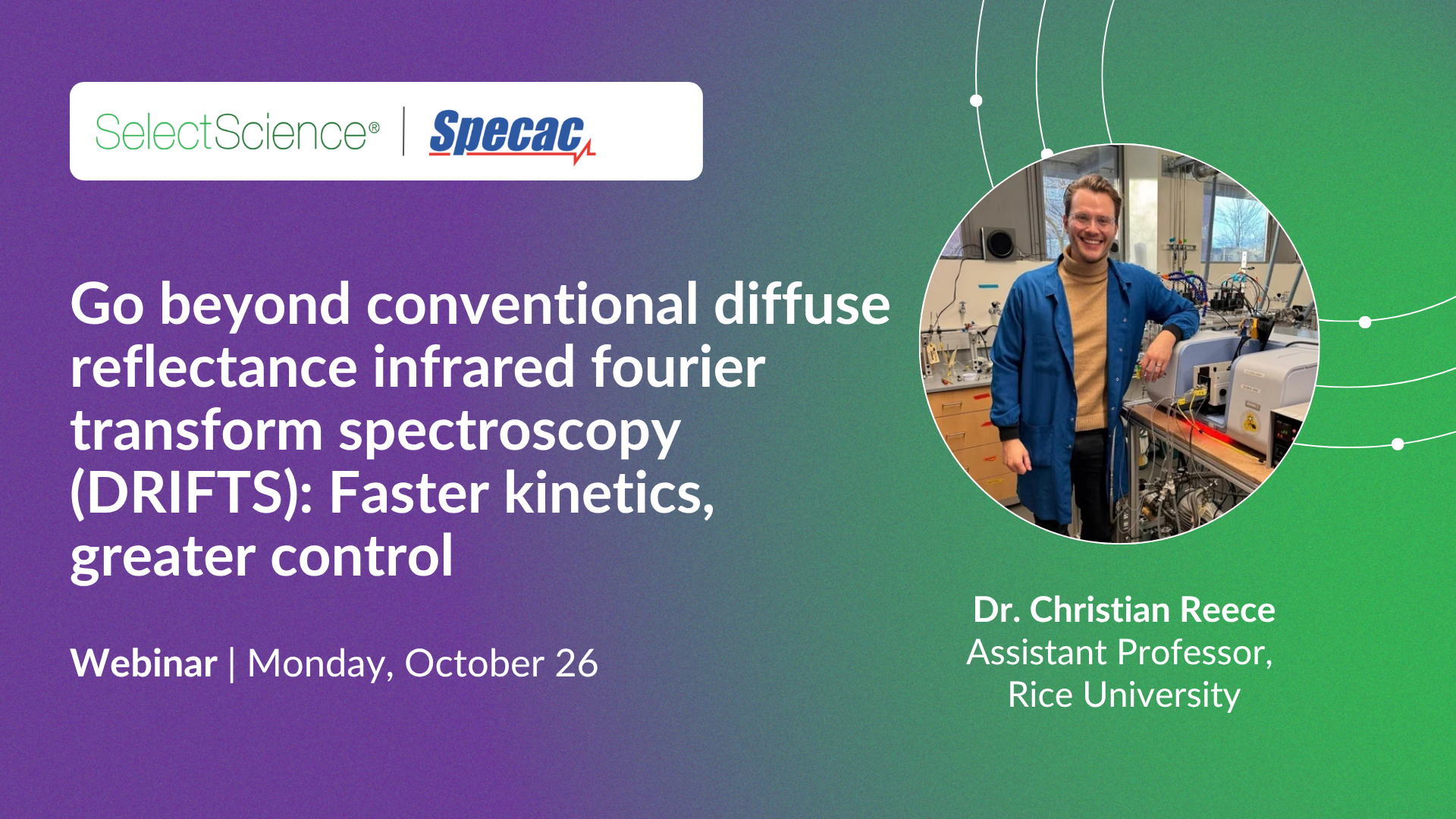
Monday, October 26 at 16:00 GMT | 17:00 CET | 12:00 EDT | 09:00 PDT
Understanding how a catalyst surface actually behaves under working reaction conditions is one of the most complex problems in catalysis research, and conventional DRIFTS setups are not always fast or flexible enough to keep up with transient, real-world kinetics.
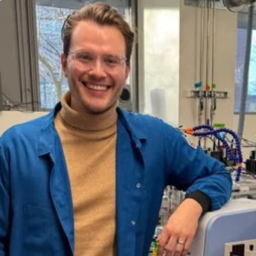
In this webinar, Dr. Christian Reece from Rice University will share how his group is pushing operando DRIFTS further: resolving fast surface changes, protecting sample integrity across repeated experiments, and extending diffuse reflectance techniques into new territory like electrocatalysis. Drawing on recent work studying CO adsorption and desorption on a Pd catalyst, Dr. Rice will offer practical insights for anyone looking to get more reliable, more revealing data out of their catalytic surface studies.
Certificate of attendance
If you attend the live webinar, you will automatically receive a certificate of attendance, including a learning outcomes summary, for continuing education purposes.
If you view the on-demand webinar, you can request a certificate of attendance by emailing editor@selectscience.net.
Webinar details
- Cost: Free to attend
- Location: Online
- Duration: 60 minutes
Registration is required to secure your place. If you register but can’t attend live, you will receive a link to the on‑demand recording once it becomes available.
Speakers
Who should attend?
Catalysis researchers, surface scientists, and spectroscopists working in heterogeneous catalysis, electrocatalysis, and materials science, including academic research groups, industrial R&D scientists, and existing Harrick Praying Mantis/DRIFTS users looking to expand their experimental capability.
Featured products
Request Quote for All Products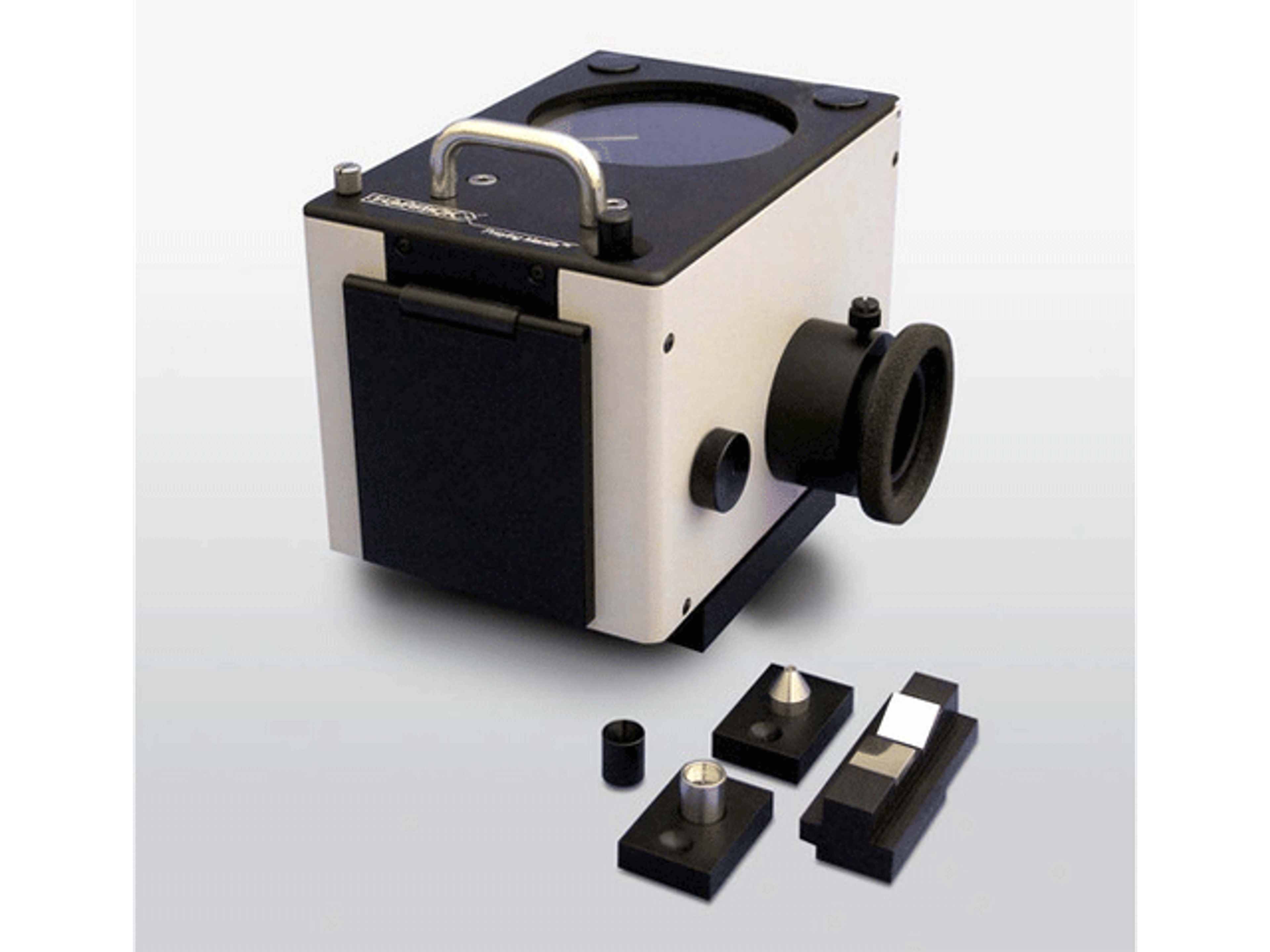
Harrick Praying Mantis™ Diffuse Reflection Catalysis Package
Specac LtdA diffuse reflection FTIR accessory with a high temperature reaction chamber for studying heterogeneous catalysis, gas-solid interactions, photochemical reactions, and oxidation mechanisms.
What will this webinar cover?
- The practical barriers that limit kinetic and transient resolution in conventional DRIFTS experiments
- How sample handling choices (e.g. protecting the sample cup) can affect or preserve spectral integrity and reproducibility across studies
- How researchers are adapting DRIFTS methodology to move beyond traditional heterogeneous catalysis into electrocatalysis and energy-related research
- Practical takeaways for improving confidence in surface species identification and catalyst behavior under realistic reaction conditions