How Tips, Tubes and Plates can Affect Your Assays
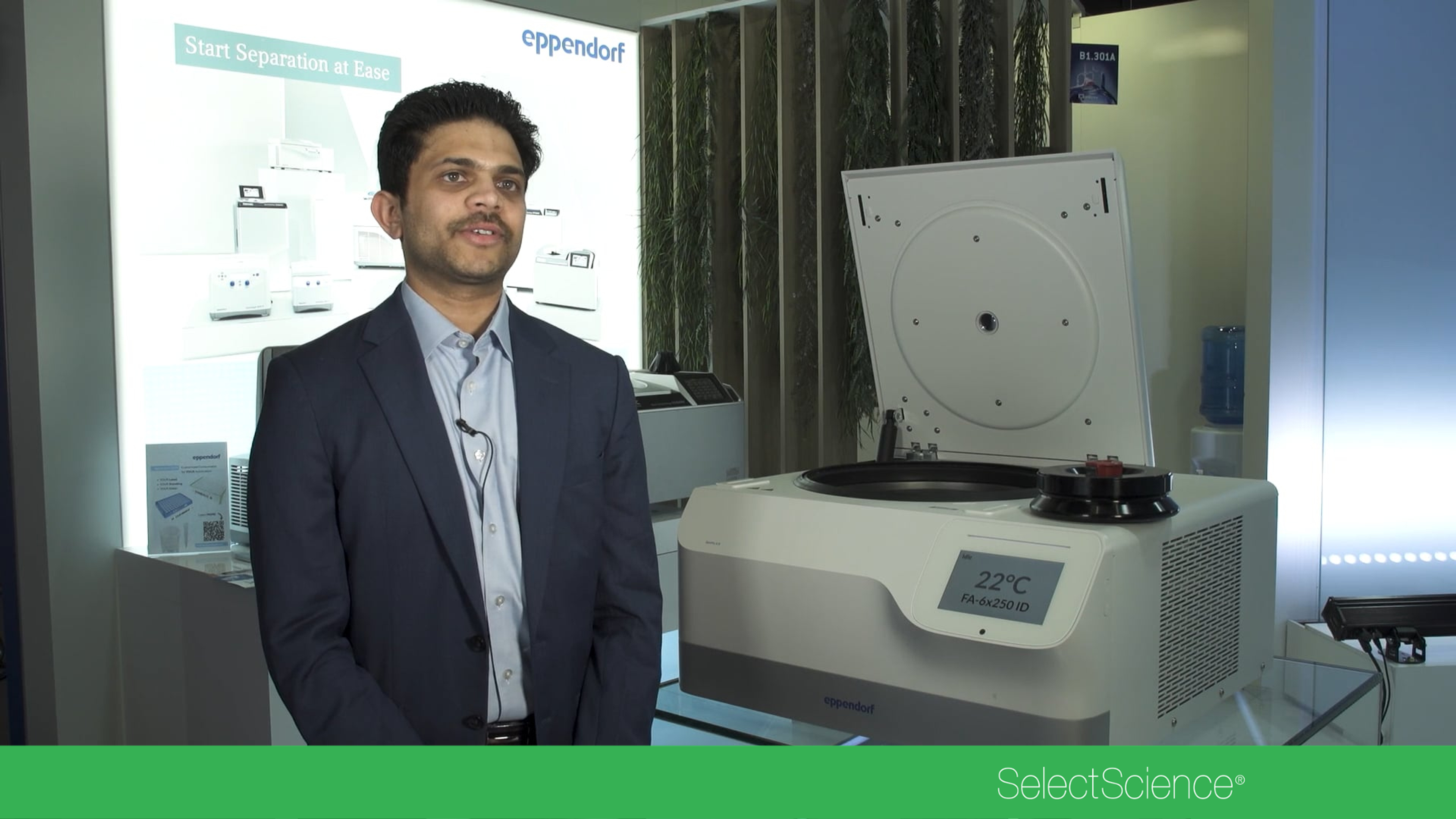
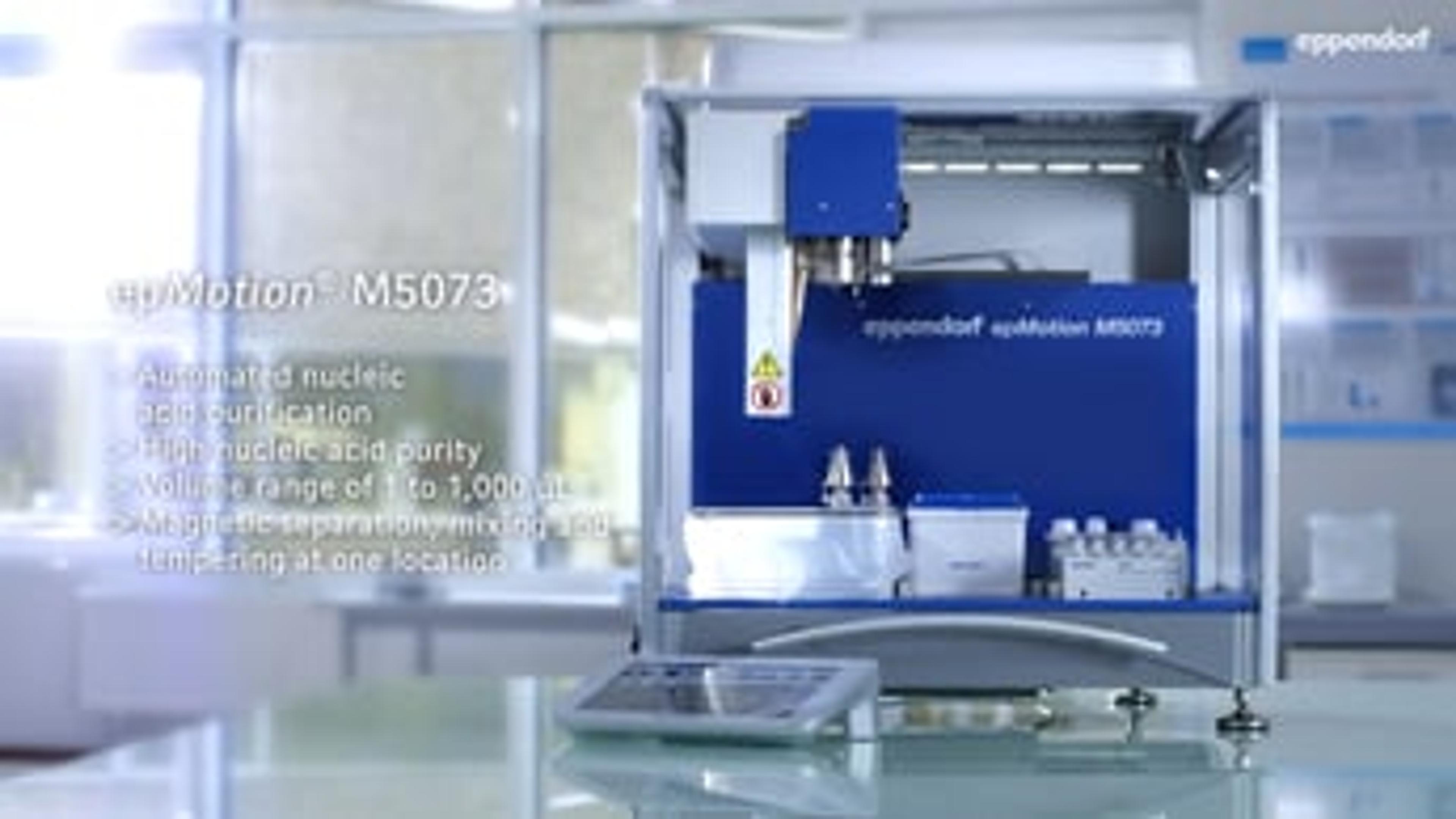
27 Oct 2014In food and beverage laboratories, consumables made from plastic are used in practically every application. In 2008 a report in Science by Dr. Andrew Holt and his group from the University of Alberta, Canada, described that chemicals used as manufacturing additives can substantially inhibit enzymatic assays and binding studies by leaching into the sample. In this video Dr. Holt discusses how assays can be affected and how he ensures unaffected and reproducible results.
About the company

Eppendorf
Eppendorf is a leading life science company that develops and sells instruments, consumables, and services for liquid handling, sample handling, and cell handling in laboratories worldwide. Its product range includes pipettes and automated pipetting systems, dispensers, centrifuges, mixers, spectrometers, and DNA amplification equipment as well as ultra-low temperature freezers, fermentors, bioreactors, CO2 incubators, shakers, and cell manipulation systems. Consumables such as pipette tips, test tubes, microliter plates, and single-use bioreactor vessels complement the range of highest-quality premium products.
Eppendorf products are most broadly used in academic and commercial research laboratories, e.g., in companies from the pharmaceutical and biotechnological as well as the chemical and food industries. They are also aimed at clinical and environmental analysis laboratories, forensics, and at industrial laboratories performing process analysis, production, and quality assurance.
Founded in Hamburg, Germany, in 1945, Eppendorf employs more than 4,000 people worldwide. The company operates production and R&D facilities in Europe, Asia, and North America, maintains subsidiaries in 30 countries, and serves all other markets through a network of distributors.
More information about Eppendorf can be found at http://corporate.eppendorf.com/en
Related products
Request Quote for All Products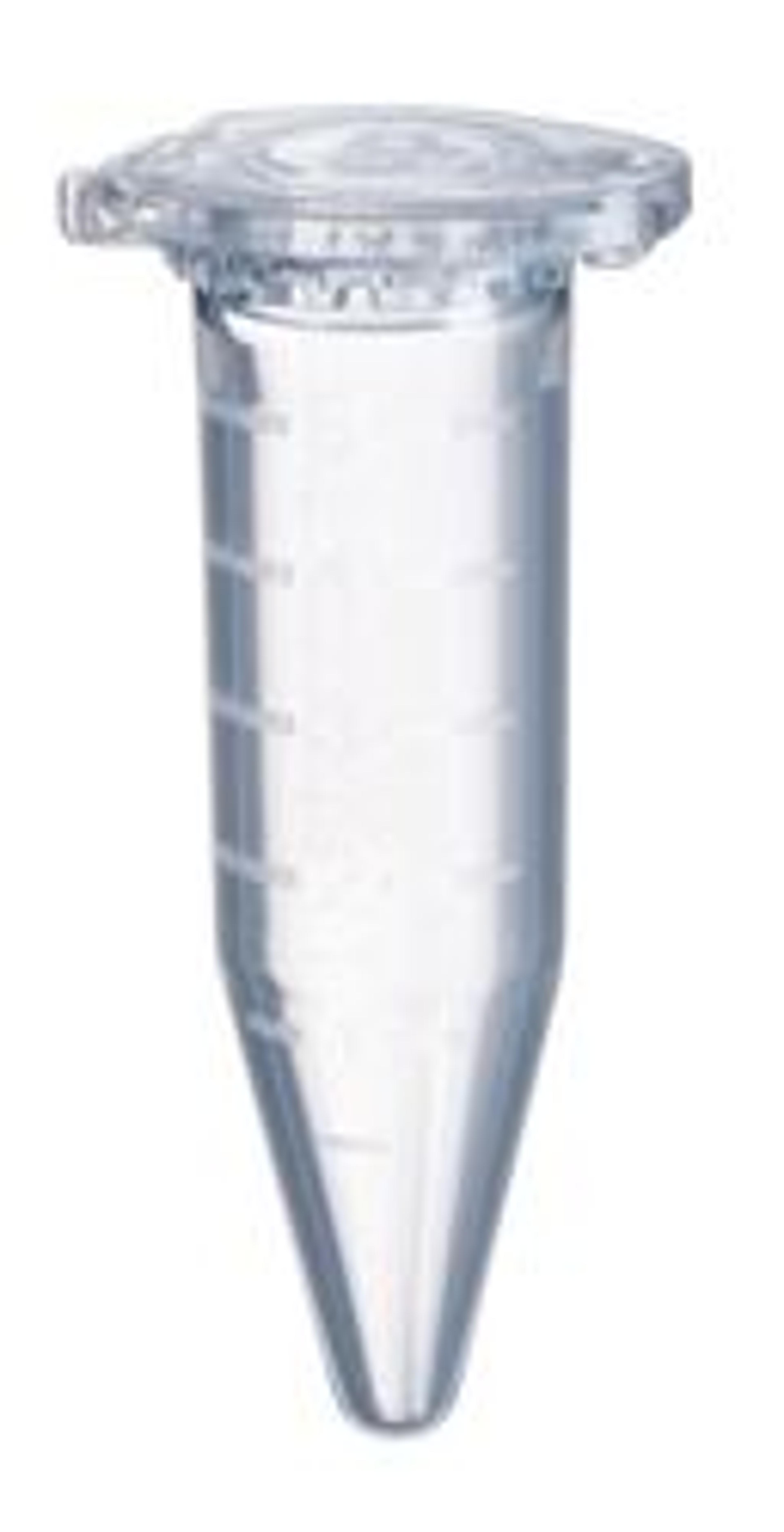
Eppendorf Tubes® 5.0 mL
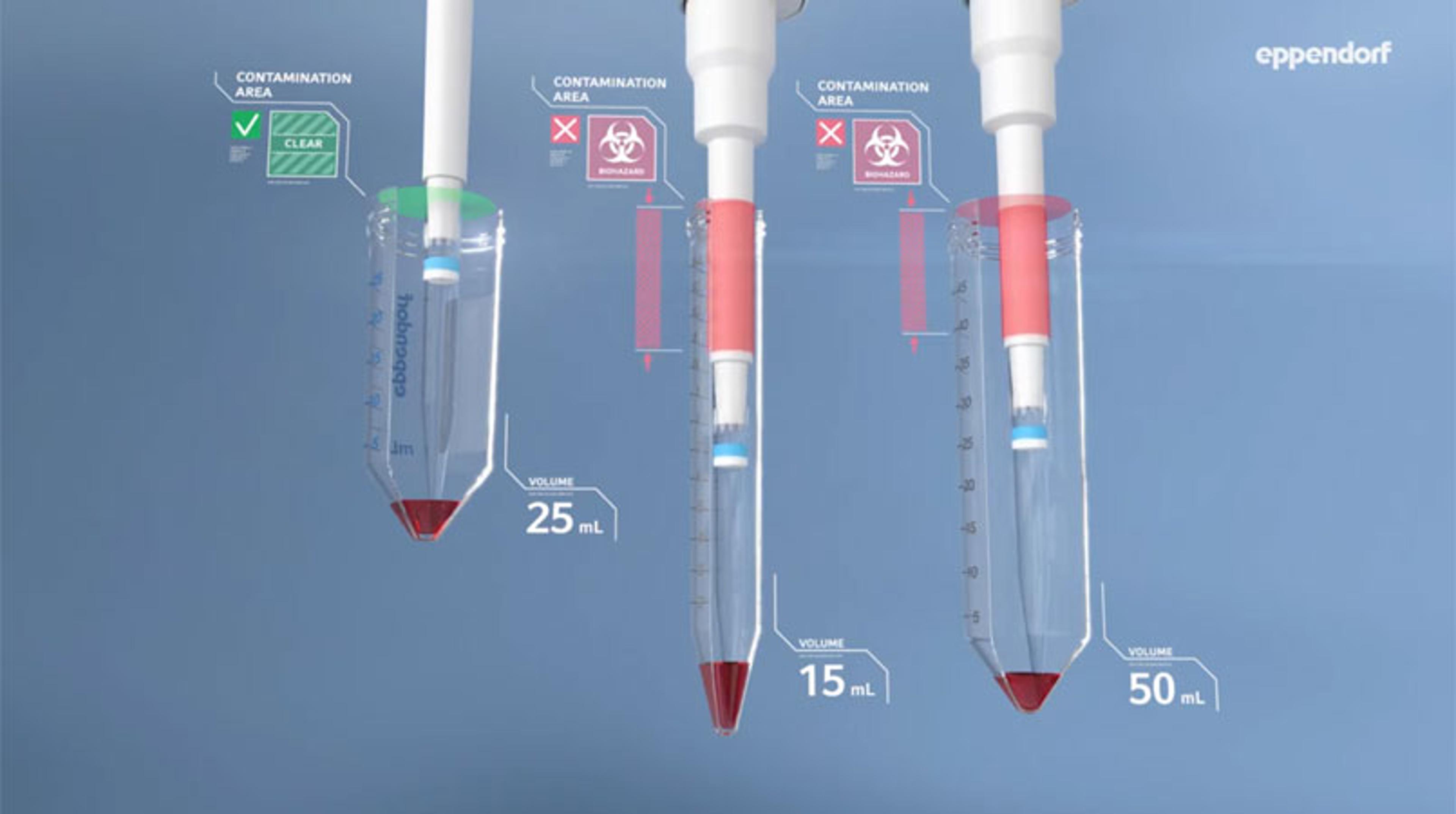
EppendorfEppendorf Tubes are the benchmark for simple and safe sample preparation from 0.5 to 2.0 mL. For larger volumes, 15 mL and 50 mL conical tubes are available. With medium sample volumes you may face an issue: they need to be processed with large conical screw cap tubes - impractical, inconvenient and often prone to contamination. Eppendorf now offers the "missing link": the Eppendorf Tube 5.0 mL. This product fills the gap between existing tube versions and enables the simple and safe processing of sample volumes up to 5.0 mL!Eppendorf Tubes® 5.0 mL Features: Ergonomic operation - Simple, practical and ergonomic single-hand operation. Large labeling area. Lid design - Hinged lid for minimized sample evaporation during storage and incubation in a wide range of temperatures from -86 °C to 80 °C. Material - Exceptionally high-quality, transparent polypropylene, free of plasticizers, biocides or mold release agents, for reliable test results. Certified purity - Available in lot-tested and certified Eppendorf Quality, PCR clean, Sterile and Eppendorf Biopur® purity levels. Centrifugation safety - Maximum safety and stability for centrifugation up to 25,000 × g and fast and efficient protocols. Conical shape - Compatible with accessories for conical 15 mL tubes - many existing adapters and racks can be used. Sample recovery - Available in Eppendorf LoBind® material for maximum recovery of valuable samples. Applications: Easier processing of samples up to 5.0 mL Higher yields in DNA isolation, especially with samples with limited quantity of source material Convenient and safe cell culture applications Easier sample access lowers the risk of contamination Preparation of mastermixes and buffers Less storage space needed Safe cell and tissue lysis
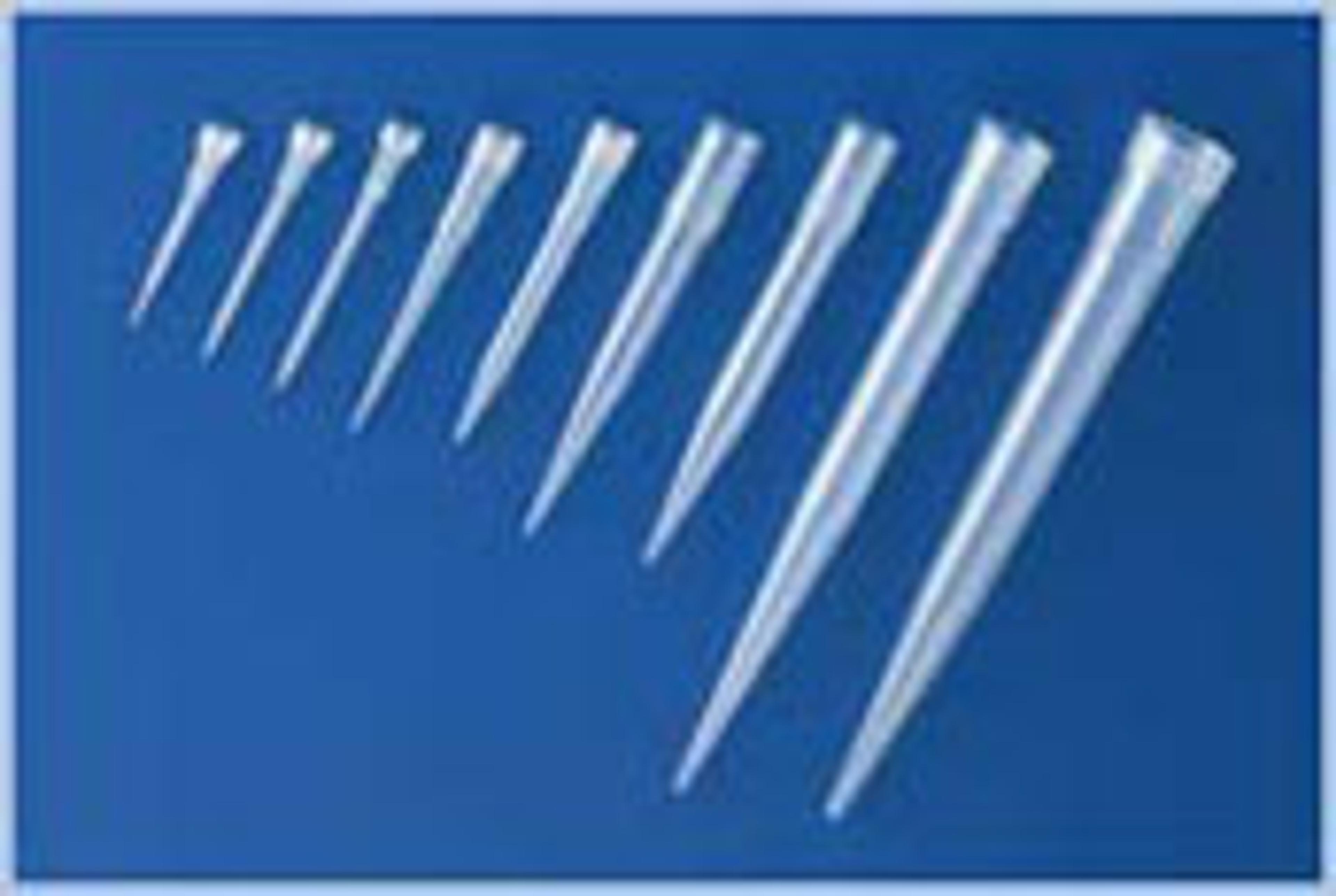
Pipette tips - epTIPS
EppendorfepTIPS from Eppendorf epTIPS - With the new generation of highly-accurate pipette tips, Eppendorf is taking the new standards of contemporary laboratory practice into account. All over the world, scientists and laboratory staff are using ever more accurate dispensing devices to try and satisfy the stringent requirements of reliability, reproducibility and the trend towards smaller sample volumes. A pipette is only as good as its tipOnly when using perfectly manufactured pipette tips can the precision of modern pipettes be fully exploited. With the new generation of Eppendorf pipette tips, you can make even better use of this potential. The new epTIPS - Totally Integrated Pipetting System - have been perfectly matched to Eppendorf pipettes. This results in consistently reduced tip attachment and ejection forces, while ensuring complete sealing. This concept guarantees that Eppendorf pipettes are consistently developed and manufactured to address both physiological and ergonomic concerns, from the button to the pipette tip. Additionally, the new Eppendorf epTIPS can still be used with pipettes from other manufacturers.State of the art production techniquesWe have looked at, optimized or completely redesigned every detail of our well-known tip system. The material and its properties, fit, design and the forces required for operation, with the strictest quality standards being given top priority. A modular system consisting of a variety of purity levels and different types of packaging, such as bagged products, boxes, refill trays and single wrapped tips, provides more flexibility than ever.An overall concept was developed to combine every conceivable application and volume with perfect functionality. epTIPS: as reliable as ever, and more progressive than ever before.