
Update on Water Analysis Methods
Discover the latest innovations for water analysis
2 Jun 2016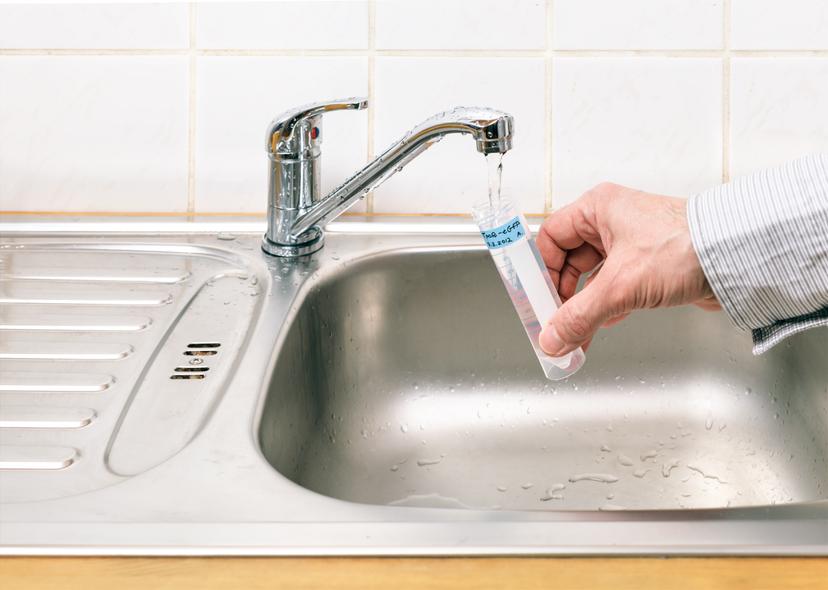
Image: DrinkingWaterAnalysis-sciencephoto/Shutterstock
Water can carry dangerous contaminants such as pollutants in waste water which affect the environment, or pathogens in drinking water that can cause illness. It is essential they are detected accurately to ensure regulated standards are met.
Water purity can also have an influence on experimental results, causing growth in the industry of water purifying technology. In this article, learn about the latest developments in water analysis, the technology being used and how it is being applied. Plus, visit our Water Analysis special feature for more exclusive content.
Water is commonly treated by adding chemical disinfectants, such as free chlorine, chloramines, chlorine dioxide, and ozone. However, although very effective in removing disease-causing microorganisms, these disinfectants can react with naturally occurring materials in the water and can form disinfection by-products (DBPs) which can be harmful to human health. This study looks at detection of these by products using the Thermo Scientific™ Q Exactive™ GC hybrid quadrupole Orbitrap mass spectrometer. Download the application note >>
2. Cutting-Edge Water and Contaminants Analysis for Quality Control of Beer
Murphy & Son provides brewing ingredients and processing aids for industrial and home brewers. In this article Paul Taylor, Laboratory Manager at Murphy & Son, spoke to SelectScience about the methods and technology being used to improve brewing techniques. Read more >>
3. Analysis of Pharmaceuticals and Personal Care Products in Water
EPA Method 1694 was published in December 2007 as a screening method for the analysis of 73 pharmaceuticals and personal care products (PPCPs) in environmental samples, including wastewater, surface water and drinking water. This application note outlines a SPE procedure using UCT’s Enviro-Clean® HL DVB polymeric sorbent for the determination of 64 PPCPs in water according to EPA Method 1694. Download the application note >>
4. Milli-Q® Integral Water Purification System
Learn about the Milli-Q® Integral, an advanced all-in-one water purification system delivering both pure and ultrapure water. This provides laboratories with a single solution that can connect to any potable water source. Watch the video >>
5. Free Webinar Series: Analysis of Emerging Contaminants
This webinar series looks at the chromatographic analysis of emerging environmental contaminants, with discussion from Dr Cristina Postigo, Post-Doctoral Fellow at the Institute for Environmental Assessment and Water Research (IDAEA-CSIC) and Dr Krista Wigginton, Assistant Professor at the Department of Civil and Environmental Engineering, University of Michigan. Read more >>
Contaminations present in reagents affect analyses by interfering with measured elements and contaminating the instrument, which leads to decrease of its performance. Ultrapure water is the most frequent reagent in ICP-MS laboratories. In this poster, learn how to choose the best high purity water solution for your ICP-MS application. Download the application note >>
7. Meeting Environmental Legislation Requirements for Waste Water Using Atomic Absorption Spectrometry
In this video, Simon Nelms, Thermo Fisher Scientific, discusses how atomic absorption spectrometry can be used in meeting the requirements for legislation such as the EU Water Framework Directive. Watch the video >>
8. The Robust Technology Enabling Sensitive Routine Analysis of Sewage and Waste Water
ALS Environmental Ltd Principal Scientist John Quick spoke to SelectScience about what he looks for in an instrument and the technology he uses on a daily basis. The environmental ALS labs provide analytical testing for trace and ultra-trace levels of organics, metals, microbiology and more, in matrices such as soil, water and biota. Read more >>
Visit our Water Analysis Special Feature, or watch exclusive coverage from the Analyzing Contaminants in UK Water symposium.
Do you use any of the products mentioned in this article? Is there a product you couldn’t live without? Share your experiences with our worldwide community and write a review today.
Related products
Request Quote for All Products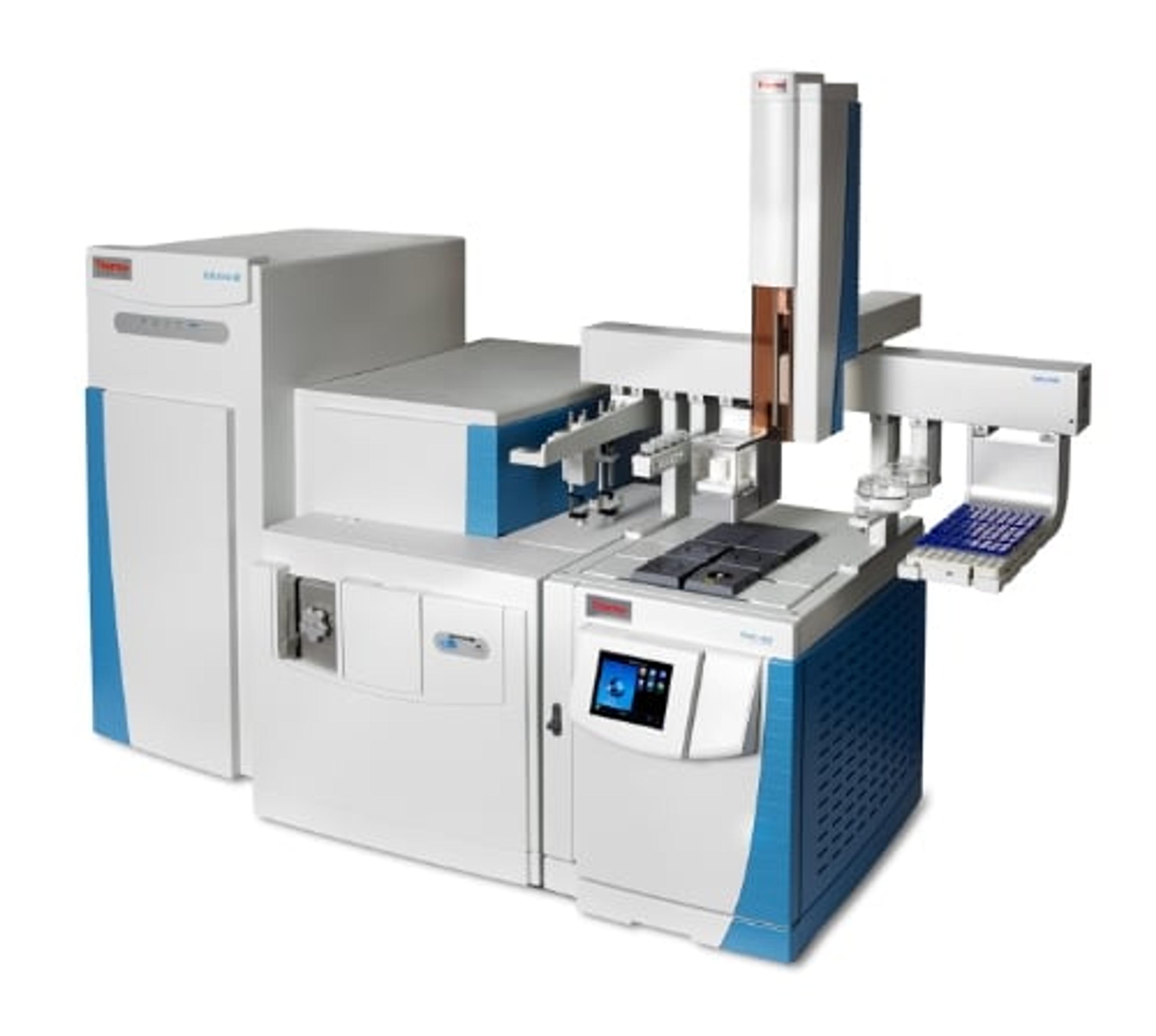
Thermo Scientific™ Q Exactive™ GC Orbitrap™ GC-MS/MS System
Thermo Fisher ScientificThe Thermo Scientific™ Q Exactive™ GC system is the first-ever combination of high resolution gas chromatography with high-resolution/accurate-mass (HR/AM) Orbitrap detection for the most comprehensive sample characterization. This easy-to-use system provides the most comprehensive characterization of samples in a single analysis for the highest confidence in compound discovery, identification, and quantitation. Building upon the flexible modularity of the Thermo Scientific™ TRACE™ 1300 Series GC, including user-exchangeable injectors and detectors, the Q Exactive GC system has the quantitative power of a GC triple quadrupole MS combined with the high precision, full scan high-resolution/accurate-mass capability that only Orbitrap technology can offer. Key Features: Advanced quadrupole technology (AQT) for high transmission of selected masses Resolving power up to 120,000 at m/z 200 Part-per-trillion-level sensitivity Thermo Scientific™ Extractabrite™ ion source for robust, rugged electron impact (EI) and chemical ionization (CI) performance Curved linear C-trap for precise ion injection HCD collision cell for higher energy collisional dissociation provides MS/MS ion characterization Intelligent identification software elucidates the nature of each injected sample. Applications: Untargeted and targeted metabolomics Food and beverage Industrial analyses Environmental Pharmaceutical Clinical and toxicology
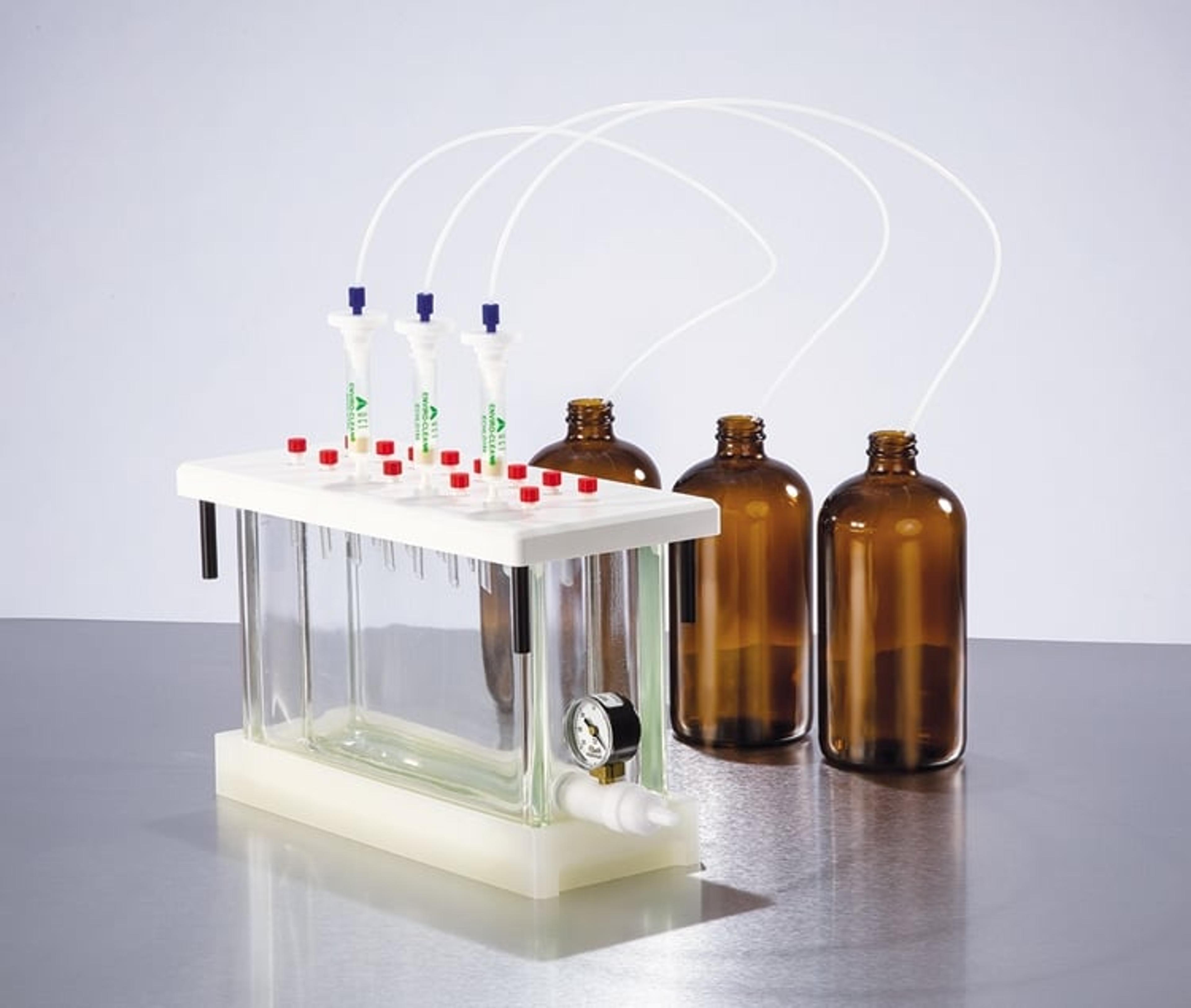
Enviro-Clean HLDVB 500mg/6mL (ECHLD156-P)
UCT, Inc.Enviro-Clean 500mg/6mL cartridge HLDVB w/Polyethylene frits. UCT's new polymeric highly cross-linked DVB bead. It is used with EPA Methods 528, 529, 537, 553, 8141B and 8330.