7 Innovations in Analytical Chemistry

Discover the latest webinars, methods and products for your analytical chemistry research

15 Dec 2015


Lois Manton-O'Byrne, PhD
Executive Editor

Editorial article

Discover the latest webinars, methods and products for your analytical chemistry research

In this top list, curated by our expert editors, discover how AstraZeneca carries out pharmaceutical impurity profiling, learn how the Institute of Earth Physics of Paris prepares volcanic samples for analysis and listen to our exclusive two-part podcast with a senior scientist at the RIKILT Institute of Food Safety.

1. Experts at AstraZeneca Use New GC-MS Technology for Pharmaceutical Impurity Profiling

Learn about the challenges faced with API and formulation impurity analysis from scientists at AstraZeneca. Watch this fascinating webinar with industry experts on-demand today.

2. Determining Volatile Organics in Toys using Headspace Trap-GC/MS

With numerous recalls and new regulations, the safety of toys has gained publicity on a global scale, particularly the content of volatile organic compounds (VOCs). These compounds, such as benzene and toluene, are residual after the manufacture of various types of polymers, additives and coatings and are potentially hazardous to the health of children if present at high levels. Discover an approach developed to measure VOCs at low levels using headspace trap (HS Trap) sample introduction with gas chromatography/mass spectrometry (GC/MS).

3. Ultra-Pure Water for Volcanic Sample Analysis

Scientists from the Institute of Earth Physics of Paris (IPGP) are using pure and ultrapure water at every stage of their sample analysis. IPGP is the second largest French National Centre for Scientific Research (CNRS) research unit in France. Learn more about the technology being used in this video.

4. The Regulatory Analysis of Primary Aromatic Amines in Cosmetics

Primary aromatic amines (PAAs) have been broadly used in large amounts as a chemical feedstock within the chemical industry, despite some have either a proven or suspected carcinogenic nature. To ensure public safety and product efficacy, the cosmetics and personal care industry is high legislated. Learn an accurate, fast and robust alternative method for the rapid analysis of PAAs in cosmetic and personal care products.

5. Complete Workflow Solutions in Biopharmaceutical Discovery and Development

In this exclusive two-day webinar event, industry experts from Agilent Technologies discussed the benefits of adding ion mobility to LC/Q-TOF/MS, LC/MS workflows for biosimilars and antibody drug conjugates and much more. Learn how to stay abreast of advances in knowledge and improvements in technology and navigate the maze of shifting government regulations.

6. Advances in Pesticide Residue Testing at the RIKILT Institute of Food Safety

Listen to our exclusive two-part podcast with Dr Hans Mol, senior scientist, on the use of mass spectrometry to detect contaminants and pesticide residues for food and feed safety.

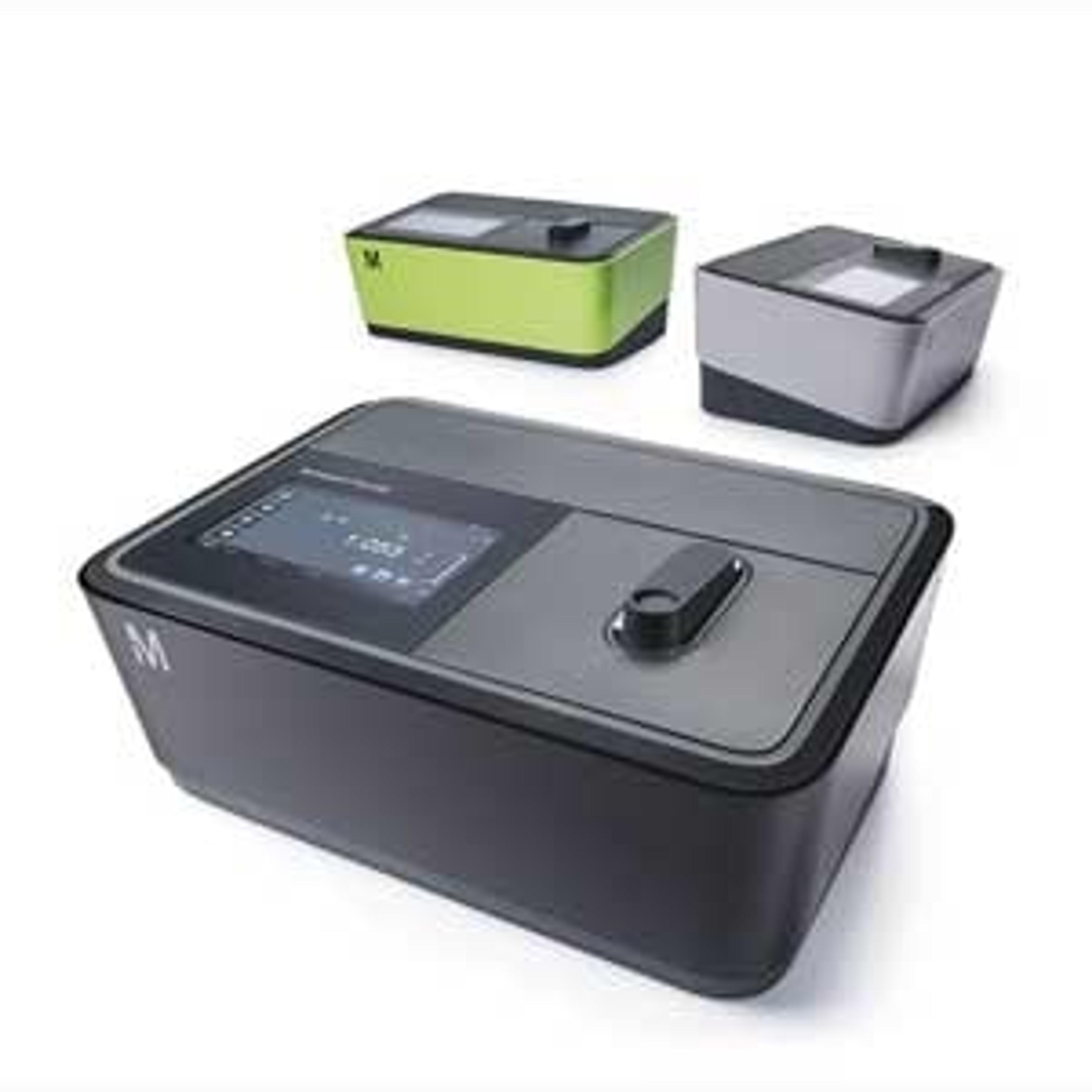
7. Discover the Power of the Spectroquant® Prove

Whether you’re analyzing waste water, drinking water or process water, the three most important requirements of a spectrophotometer are simplicity, security and durability. Intuitive, innovative and preprogrammed for the broadest range of test kits, watch how the Spectroquant® Prove makes water analysis smoother than ever.

Discover the latest analytical chemistry news by signing up for our free newswires, where our expert editors collate the latest products and news in the field of analytical chemistry.

What products do you use in your analytical chemistry research? Write a product review today to share your experiences with scientists worldwide, and be in with a chance to win up to $400 (or equivalent) Amazon® vouchers or an iPad Air®!

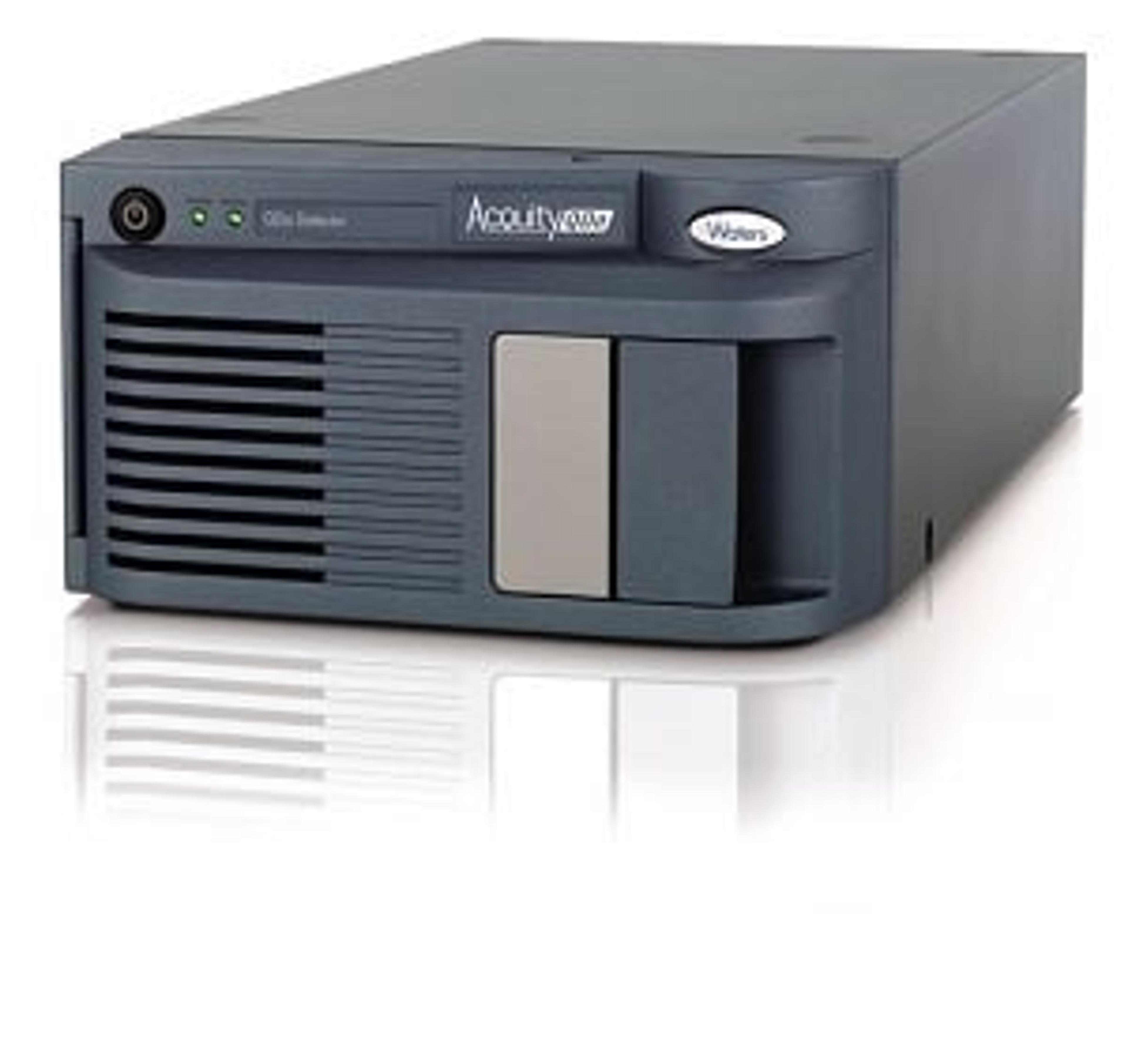
ACQUITY QDa Mass Detector

Waters

The ACQUITY QDa® Mass Detector gives you certainty above all else. You can minimize the risk of unexpected coelutions or components and confirms trace components with the analytical confidence of mass detection. The ACQUITY QDa® Detector is a mass detector built around the needs of analytical scientists for chromatographic analysis. Robust, reliable and requiring no sample adjustments, it just integrates with your current LC, ACQUITY UPLC, ACQUITY UPC2 and purification systems. You'll enhance the analytical value and productivity of each analysis, and you won't need to run all the additional assays or time-consuming alternative techniques or even wait for results from specialist labs that cost your laboratory productivity. With the ACQUITY QDa® Detector, you now have information-rich mass spectral data to complement data from your current Waters® optical detectors, including the ACQUITY UPLC PDA, TUV, ELS, and FLR detectors, as well as the ACQUITY UPC² PDA Detector. This mass spectral information integrates seamlessly into the same workflow; routinely giving you more complete separation characterization. Features: Intuitive operation More information from every sample Effortless integration Increased efficiency Resolving complexity Applications: Food & Environment Life Sciences and Pharmaceuticals Chemical

(20)

Empower™ Chromatography Data System

Waters

The Empower Chromatography Data System is Waters’ compliance-ready chromatography data software (CDS) for advanced data acquisition, processing, and reporting that simplifies the management of chromatography test results.

(25)

Links

Tags

Gas ChromatographyGas chromatography (GC) is an analytical technique used to separate and quantitate mixtures of small and volatile compounds. Gas chromatographs or GC systems include components such as GC columns, detectors, pumps and autosamplers. Choose from packed or capillary GC columns, flame ionization (FID), photoionization (PID) electron capture detectors and selective or non-selective detectors. Find the best gas chromatographs in our peer-reviewed product directory: compare products, check customer reviews and receive pricing direct from manufacturers.UHPLC and HPLCHigh performance liquid chromatography (HPLC) and ultra high performance liquid chromatography (UHPLC), also known as UPLC, are analytical techniques used to separate, identify and quantitate components of complex mixtures including biological samples such as proteins and lipids as well as chemical mixtures of pesticides, drugs and oils. Both techniques are liquid chromatographic methods but differ by operating pressures (HPLC < 6000 psi < UHPLC ). Components of HPLC and UHPLC systems include columns, detectors, pumps, autosamplers and column heaters. Explore a range of UHPLC and HPLC columns for your specific sample needs including reverse phase, normal phase, ion exchange, HILIC, ion exclusion and size exclusion columns. For more specialized HPLC, explore FPLC, countercurrent LC and simulated moving bed systems. Find the best UHPLC and HPLC equipment in our peer reviewed product directory: compare products, check customer reviews and receive pricing direct from manufacturers.Sample PreparationSample preparation can improve the quality and speed of separation techniques. Products to assist sample preparation include filtration equipment, evaporators, membranes and sieves.LC-MSLC-MS (liquid chromatography-mass spectrometry) systems and equipment are used for separation and quantitative analysis of complex mixtures, combining liquid chromatography and mass spectrometry. Quantify proteins, contaminants, pesticides or screen for drug metabolites with a high level of sensitivity. LC-MS systems and equipment include reverse phase, normal phase and specialized columns integrated with various MS detectors such as time-of-flight (TOF), quadrupole, orbitrap or ion trap mass analyzers. LC-MS/MS instruments equipped with a qTOF or triple quadrupole analyzer give greater sensitivity and resolving power to your analysis. Find the best LC-MS equipment in our peer-reviewed product directory: compare products, check customer reviews and receive pricing direct from manufacturers.Mass SpectrometryMass spectrometry (MS) is a powerful analytical technique used to identify and quantify molecules based on the mass-to-charge ratio of gas-phase ions. It provides detailed information about the structure, composition, and properties of compounds and is widely used across fields such as environmental monitoring, materials science, drug discovery and development, food and beverage testing, and wider chemical research. Key MS techniques include tandem mass spectrometry (MS/MS), liquid chromatography–mass spectrometry (LS-MS) and inductively coupled plasma (ICP-MS). Choosing from these wide range of techniques and technologies can be a daunting task, so keep up to date with scientific applications, performance expectations, and customer reviews here all in one place. Visit our product directory to receive quotes direct from the manufacturer. UV-Visible SpectroscopyUltraviolet-visible (UV-Vis) spectrophotometers are used to measure the interaction of UV and visible light with a sample, including transmission, reflectance & absorbance. The two major instrument classes are single-beam or double-beam spectrophotometers. More specialized equipment includes colorimeters, spectroradiometers and refractometers. Portable and microvolume spectrophotometers are also available. For the modular spectroscopy lab, explore a range of light sources for combination with a spectrograph/spectrometer and optics. Find the best UV-Vis spectroscopy products in our peer-reviewed product directory: compare products, check customer reviews and receive pricing direct from manufacturers.Environmental Monitoring and TestingEnvironmental monitoring and testing uses handheld portable analyzers, kits, spectrometers or chromatography systems for air, water, soil, food and other sample testing. Useful features of analyzers such as BOD and COD include portability, easy calibration, automation and sensitivity.  Environmental test kits for pH, water, moisture, etc, should be accurate, sensitive, reliable, fast and easy to use.Food and Beverage AnalyzersFood and Beverage Analyzers are commonly used to provide information about the chemical composition, structure and physical properties of food materials.Food and Beverage ProcessingFood and Beverage Processing involves the preparation of food products for further analysis. Typical instrumentation includes blanchers, color sorters, cookers, grinders, and refrigeration. These are used to replicate the processes commonly used in the commercial preparation of food and beverages.Particle CharacterizationParticle characterization instruments are used to determine particle size distribution, shape, surface area, zeta potential, density and porosity of particles and materials. Multiple tecchniques are available for determining particle size, shape and count including dynamic light scattering (DLS), laser diffraction, electrozone (Coulter technique), imaging particle analysis and single particle optical sensing. Determine the density of your material with a gas pycnometer or examine its surface area and porosity with gas adsorption analyzers and mercury porosimeters. Find the best particle characterization instruments in our peer-reviewed product directory: compare products, check customer reviews and receive pricing direct from manufacturers.Mechanical TestingMechanical testing explores the elastic and inelastic nature of a material when force is applied. A mechanical test shows whether a material is suitable for its intended application by measuring hardness, tensile strength, elongation, elasticity, and fatigue limit.Non-Destructive TechniquesNon-destructive techniques (NDT) describes a variety of analytical techniques used to evaluate the properties of a material. Common methods include ultrasonic, magnetic-particle, liquid penetrant, radiographic, remote visual inspection (RVI), and eddy-current testing. NDT is regularly used in forensic engineering, civil engineering, mechanical engineering, electrical engineering, systems engineering, aeronautical engineering, and medicine.GC-MS GC-MS (gas chromatography-mass spectrometry) instruments and equipment are used to separate, quantify and identify mixtures of small and volatile compounds, such as polycyclic aromatics, fatty acids and alcohols. Often used in drug detection, forensic investigation and environmental analysis for pesticides and contaminants, GC-MS is a powerful addition to your lab’s analytical capabilities. GC-MS/MS instruments equipped with a qTOF or triple quadrupole analyzers can give greater sensitivity and resolution to your analysis. Find the best GC-MS instruments and equipment in our peer-reviewed product directory: compare products, check customer reviews and receive pricing direct from manufacturers.Water PurificationThere are a number of water purification methods available to remove contamination from laboratory water. These systems include demineralization, reverse osmosis, filtration and ultrafiltration. A combination of methods is sometimes necessary to achieve purified water suitable for use in experiments.Volatile Organic Compounds (VOCs)Volatile organic compounds (VOCs) are chemicals that have a low boiling point. Some VOCs are harmful to human health, whereas others can be used to determine the shelf-life of foods samples.