5 top resources for pesticide analysis in cannabis testing

Simplify the task of removing pesticide and herbicide residues to meet regulatory standards with these vital resources

29 Nov 2019

Cameron Smith-Craig
Cameron Smith-Craig
Pharma and Applied Sciences Editor

Editorial article

Before cannabis products can be sold for medical or recreational use, they must first meet specific quality regulations to ensure the highest level of safety. To adhere to such a requirement, licensed cannabis producers must demonstrate pesticide and herbicide contamination levels below the limits set out by the applicable regulatory board.

Here, we’ve highlighted five of the latest resources to help cannabis scientists achieve these standards:

Application note: A single workflow for the multi-residue analysis of pesticides in cannabis

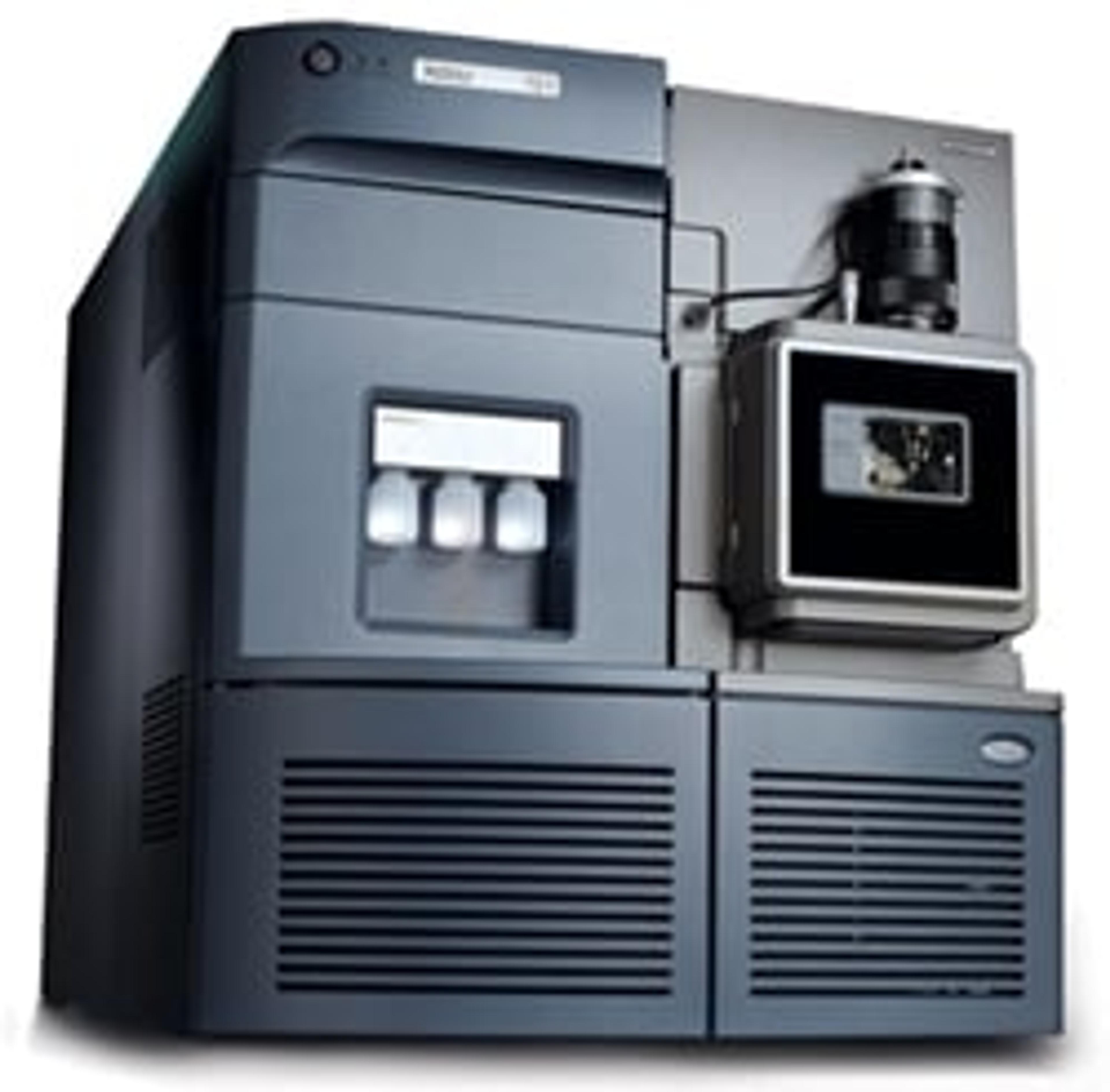
Waters presents the use of a simple sample extraction and d-SPE clean up where the resulting extract is analyzed by UPLC-MS/MS or APGS-MS/MS, in a manner that complies with Canadian regulatory requirements.
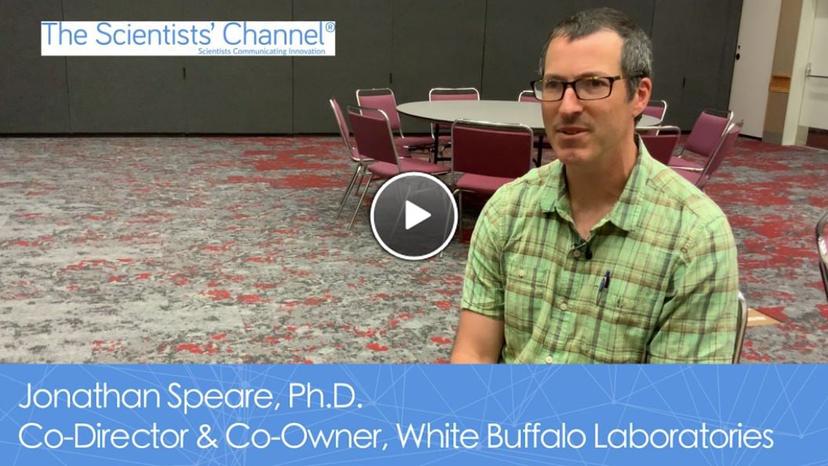
Dr. Jonathan Speare

The Scientists’ Channel: Dr. Jonathan Sphere, from White Buffalo Laboratories

Dr. Jonathan Speare discusses how the increase in marijuana testing is changing the cannabis industry. Speare explains how Waters helps White Buffalo Laboratories test for different cannabinoids and other chemicals such as pesticides and mycotoxins and how these tests can be used to provide a safe product.

Application note: Optimization of sample preparation for pesticide analysis in oil-based cannabis products

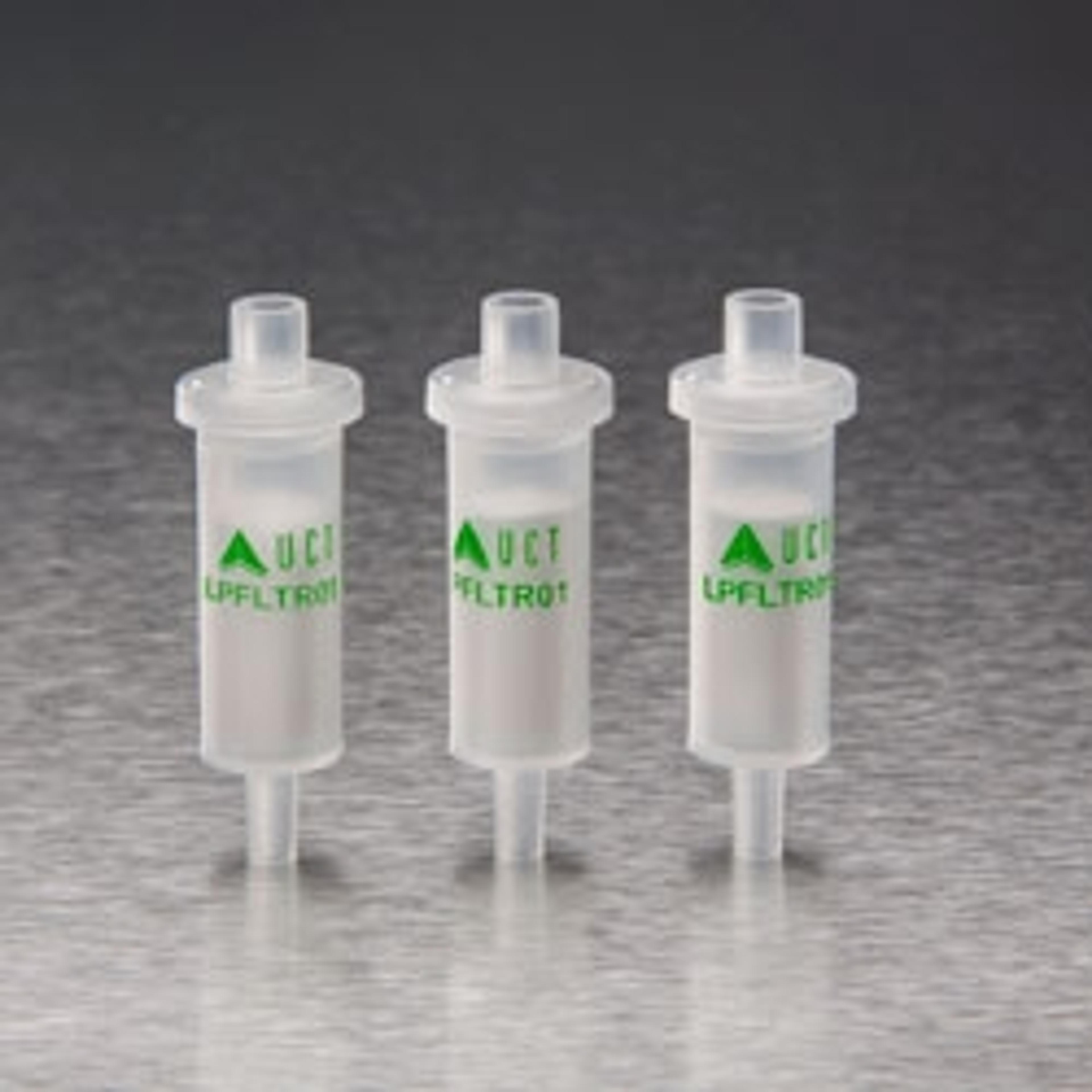
This application note outlines the performance benefits achieved using the LipiFiltr® cleanup cartridge, for the analysis of pesticides in oil-based cannabis products using LC-MS/MS analysis. The pesticides evaluated in this study include those listed in the Oregon monitoring list (≈60 pesticides).

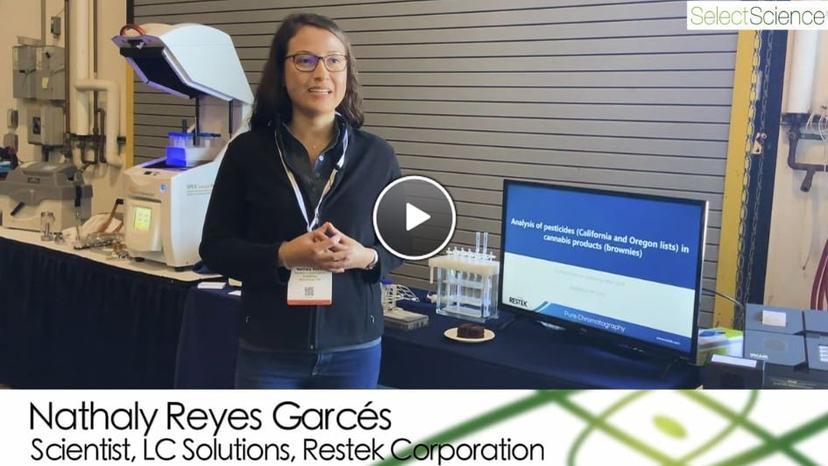
SelectScience video: Dr. Nathaly Reyes Garcés, Colton Myers, and Ashlee Gerardi
Nathaly Reyes

A simple workflow for the accurate analysis of pesticides in cannabis products via solvent extraction and GC analysis. The trio also outline how Restek is focusing on helping customers with bespoke cannabis testing workflows and method development in the face of ongoing changes within the industry, new regulations coming into place, and state-to-state differences.

Industry news: New cannabicyclol reference standard

Restek has released a new CBL certified reference material (CRM) to further aid labs in the comprehensive characterization of cannabis. With verified composition and stability, this prepared stock product eliminates the need for in-house standards preparation, for greater convenience and lower labor requirements.

Visit our Cannabis Testing Community to stay up-to-date on the latest news >>
Links

Tags

Gas ChromatographyGas chromatography (GC) is an analytical technique used to separate and quantitate mixtures of small and volatile compounds. Gas chromatographs or GC systems include components such as GC columns, detectors, pumps and autosamplers. Choose from packed or capillary GC columns, flame ionization (FID), photoionization (PID) electron capture detectors and selective or non-selective detectors. Find the best gas chromatographs in our peer-reviewed product directory: compare products, check customer reviews and receive pricing direct from manufacturers.UHPLC and HPLCHigh performance liquid chromatography (HPLC) and ultra high performance liquid chromatography (UHPLC), also known as UPLC, are analytical techniques used to separate, identify and quantitate components of complex mixtures including biological samples such as proteins and lipids as well as chemical mixtures of pesticides, drugs and oils. Both techniques are liquid chromatographic methods but differ by operating pressures (HPLC < 6000 psi < UHPLC ). Components of HPLC and UHPLC systems include columns, detectors, pumps, autosamplers and column heaters. Explore a range of UHPLC and HPLC columns for your specific sample needs including reverse phase, normal phase, ion exchange, HILIC, ion exclusion and size exclusion columns. For more specialized HPLC, explore FPLC, countercurrent LC and simulated moving bed systems. Find the best UHPLC and HPLC equipment in our peer reviewed product directory: compare products, check customer reviews and receive pricing direct from manufacturers.Sample PreparationSample preparation can improve the quality and speed of separation techniques. Products to assist sample preparation include filtration equipment, evaporators, membranes and sieves.LC-MSLC-MS (liquid chromatography-mass spectrometry) systems and equipment are used for separation and quantitative analysis of complex mixtures, combining liquid chromatography and mass spectrometry. Quantify proteins, contaminants, pesticides or screen for drug metabolites with a high level of sensitivity. LC-MS systems and equipment include reverse phase, normal phase and specialized columns integrated with various MS detectors such as time-of-flight (TOF), quadrupole, orbitrap or ion trap mass analyzers. LC-MS/MS instruments equipped with a qTOF or triple quadrupole analyzer give greater sensitivity and resolving power to your analysis. Find the best LC-MS equipment in our peer-reviewed product directory: compare products, check customer reviews and receive pricing direct from manufacturers.Mass SpectrometryMass spectrometry (MS) is a powerful analytical technique used to identify and quantify molecules based on the mass-to-charge ratio of gas-phase ions. It provides detailed information about the structure, composition, and properties of compounds and is widely used across fields such as environmental monitoring, materials science, drug discovery and development, food and beverage testing, and wider chemical research. Key MS techniques include tandem mass spectrometry (MS/MS), liquid chromatography–mass spectrometry (LS-MS) and inductively coupled plasma (ICP-MS). Choosing from these wide range of techniques and technologies can be a daunting task, so keep up to date with scientific applications, performance expectations, and customer reviews here all in one place. Visit our product directory to receive quotes direct from the manufacturer. GC-MS GC-MS (gas chromatography-mass spectrometry) instruments and equipment are used to separate, quantify and identify mixtures of small and volatile compounds, such as polycyclic aromatics, fatty acids and alcohols. Often used in drug detection, forensic investigation and environmental analysis for pesticides and contaminants, GC-MS is a powerful addition to your lab’s analytical capabilities. GC-MS/MS instruments equipped with a qTOF or triple quadrupole analyzers can give greater sensitivity and resolution to your analysis. Find the best GC-MS instruments and equipment in our peer-reviewed product directory: compare products, check customer reviews and receive pricing direct from manufacturers.RegulatoryPharmaceutical regulations impact on all areas of drug development, manufacture and control and supply. Services are provided from the early stages of drug development and clinical trials through to dossier submission, approval and marketing. Regulatory also includes submission of analytical studies from the pharmaceutical product and safety. Quality ControlQuality control is needed in all production processes. Quality control is a monitoring procedure or set of procedures that are put in place to ensure that a manufactured product adheres to a defined set of quality criteria. PesticidesPesticides are used to protect crops from diseases, pests and unwanted plants. They are classed as persistent organic pollutants (POPs) and can be harmful to humans. The Environmental Protection Agency (EPA) currently regulates the use of pesticides in the USA. Food SafetyFood safety describes the prevention of food-borne illnesses. Contamination with a variety of pathogens can be prevented with adequate temperature control, hygiene and labeling. Food samples can be tested using GC/MS, HPLC, SPE, and qPCR to ensure their adherence to regulations.HerbicidesQuality TestingQuality testing ensures that products meet required specifications and safety standards in various industries, including pharmaceuticals, food, and materials. It is essential for maintaining product quality and consumer safety. Explore quality testing tools in our peer-reviewed product directory; compare products, check reviews, and get pricing directly from manufacturers.CannabinoidsCannabinoids are compounds found in cannabis that have therapeutic effects, such as pain relief, anti-inflammatory properties, and potential neuroprotective benefits. Research into cannabinoids is growing, particularly in the fields of pain management, neurological diseases, and cancer treatments. Browse our peer-reviewed product directory to find the best cannabinoid research tools, compare products, check reviews, and get pricing directly from manufacturers.CannabisLC-MSLiquid Chromatography-Mass Spectrometry (LCMS) is a powerful analytical technique that combines the separation power of liquid chromatography with the detection capabilities of mass spectrometry. It is widely used for qualitative and quantitative analysis of complex mixtures in pharmaceuticals, proteomics, and environmental studies. Browse our peer-reviewed product directory to find the best LCMS systems, compare products, check reviews, and get pricing directly from manufacturers.