Search results for "molecular microbiology"
Results per page
25
10000 Results Found | Selected Filters:

ProductsLife Sciences
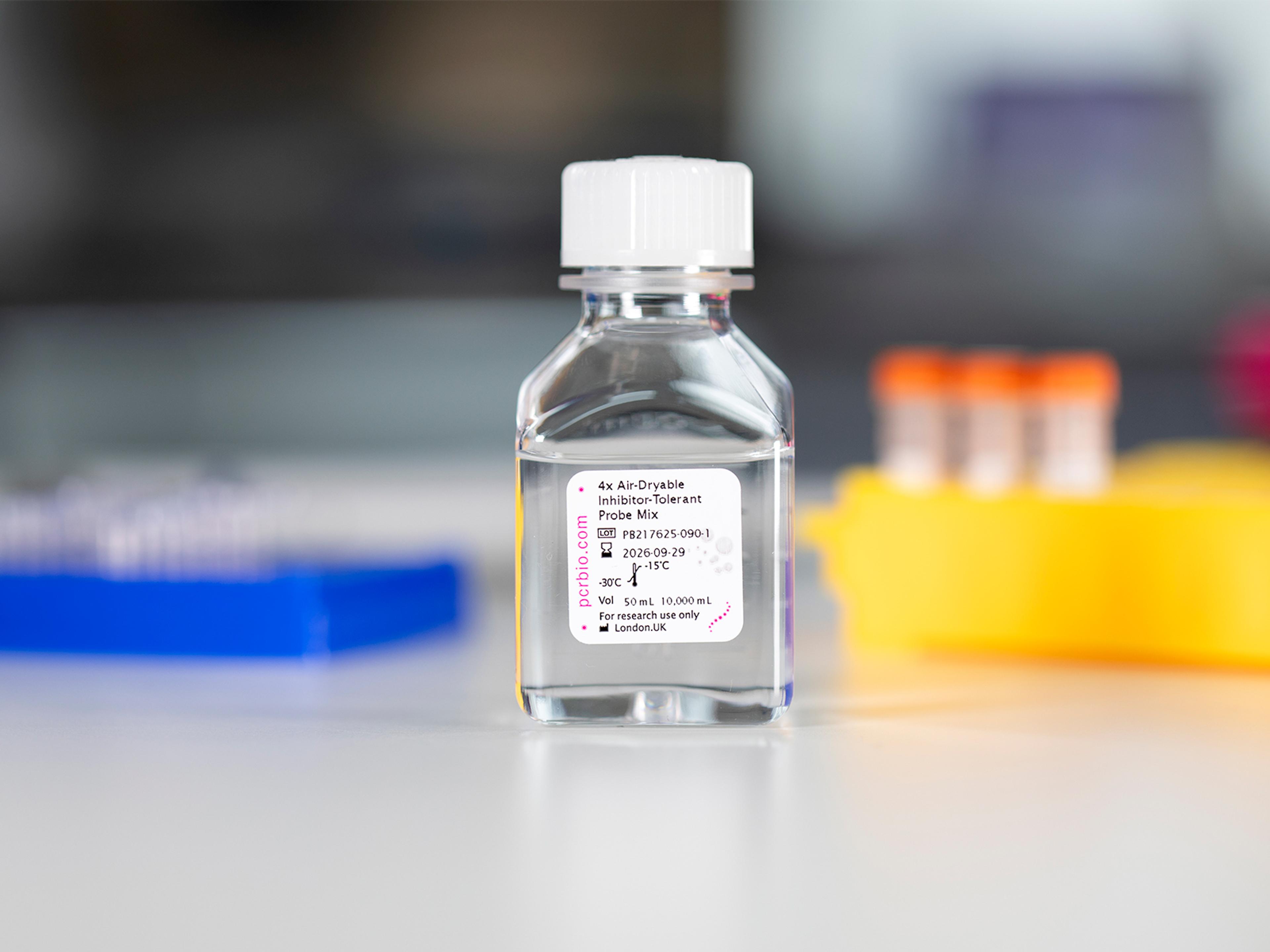
Air-Dryable Inhibitor-Tolerant Probe 1-Step Mix
PCR BiosystemsAir-Dryable Inhibitor-Tolerant Probe 1-Step Mix is a glycerol-free 4x RT-qPCR mix that combines our novel inhibitor-tolerant chemistry alongside our cutting-edge air-dryable technology. Now you can benefit from dried, room temperature stable qPCR assays capable of highly-sensitive RNA & DNA detection on the most challenging, inhibitor-rich sample types.
Product NewsSpectroscopy
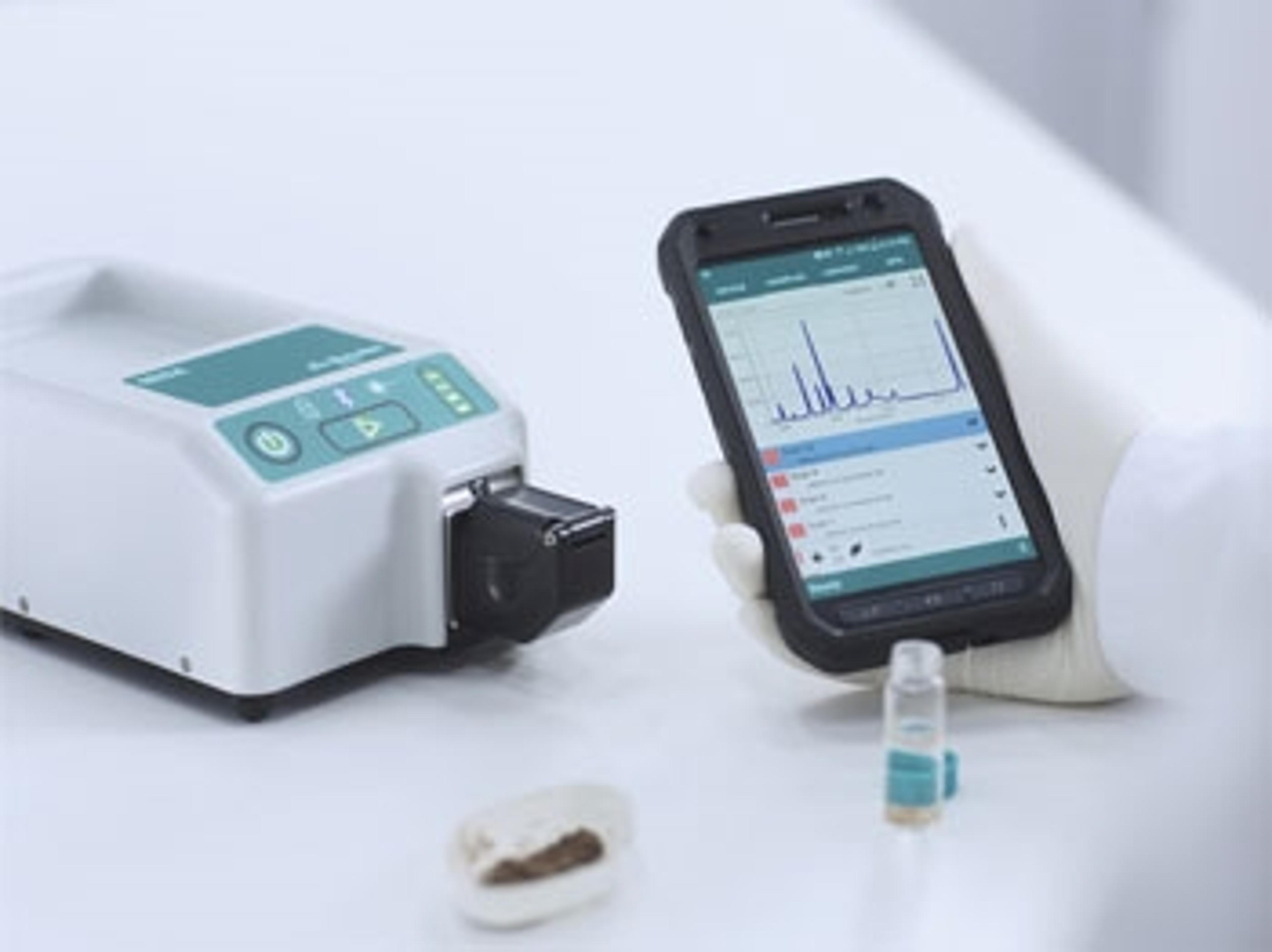
Metrohm launches Misa – a new, portable food analysis system
New product is designed to protect consumers with the latest in food testing technology

Industry NewsEnvironmental
Dissolved oxygen analysis: Titration versus direct measurement
Free white paper compares the pros and cons of various standard methods
Industry NewsDrug discovery > Target Discovery
Chemspace and LabNetwork Collaborate to Extend Access to Chemical Databases
Collaboration provides drug discovery researchers access to European distribution and local support for library of in-stock and on-demand compounds
Industry NewsDrug discovery > Drug Manufacturing
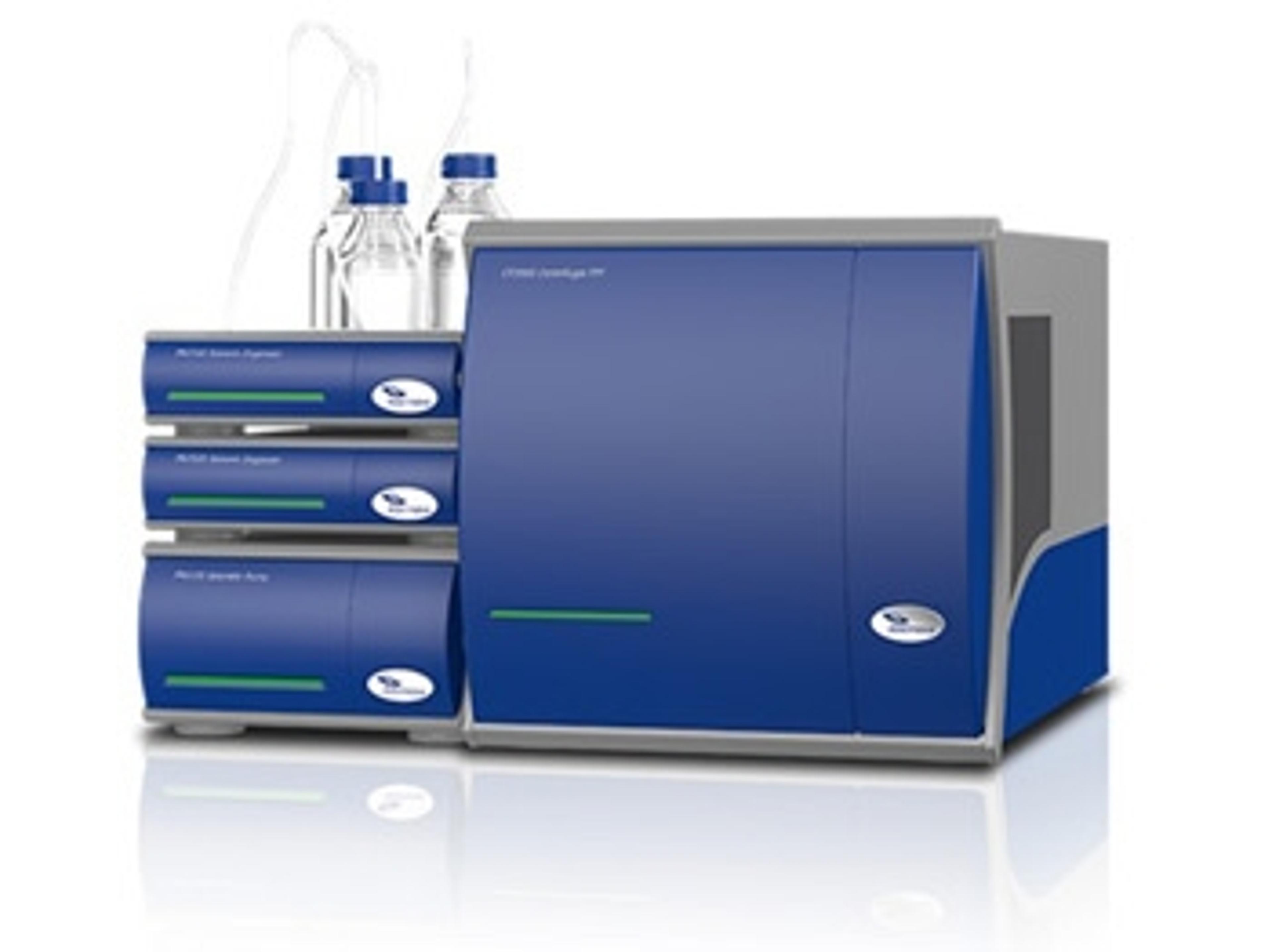
New Method for Quantification of Liposome Formulated Drugs
Postnova Analytics has published an application study that describes a new method for quantification of liposome encapsulated drug using Centrifugal Field-Flow Fractionation (CF3).