Industry News
QC of polymers: instant, multi-parameter method can reduce costs up to 90%
Free white paper demonstrates the benefits of applied near-infrared spectroscopy

Free white paper demonstrates the benefits of applied near-infrared spectroscopy
Powerful and affordable liquid handling enhances hands-free throughput and reproducibility
New agreement to offer hands-free nucleic acid stabilization and preparation
Five color, high-performance immunohistochemistry multiplexing solution to advance biomarker studies
Clinical Applications of Free Light Chain and Heavy/Light Chain analysis
Animal component-free cell dissociation solution, Defined alternative to porcine trypsin
Animal component-free cell dissociation solution, Defined alternative to porcine trypsin
Type VII, lyophilized powder, 100,000 units/g solid (without added oxygen)
Bornstein and Traub Type IV, powder, BioReagent, suitable for cell culture
Purify endotoxin-free plasmid DNA (<0.1 EU/µg) using magnetic beads.
For isolation of free-circulating DNA from human plasma or serum
Serum-free culture supplement for expansion and differentiation of human granulocytes
Serum-free culture supplement for expansion and differentiation of human monocytes
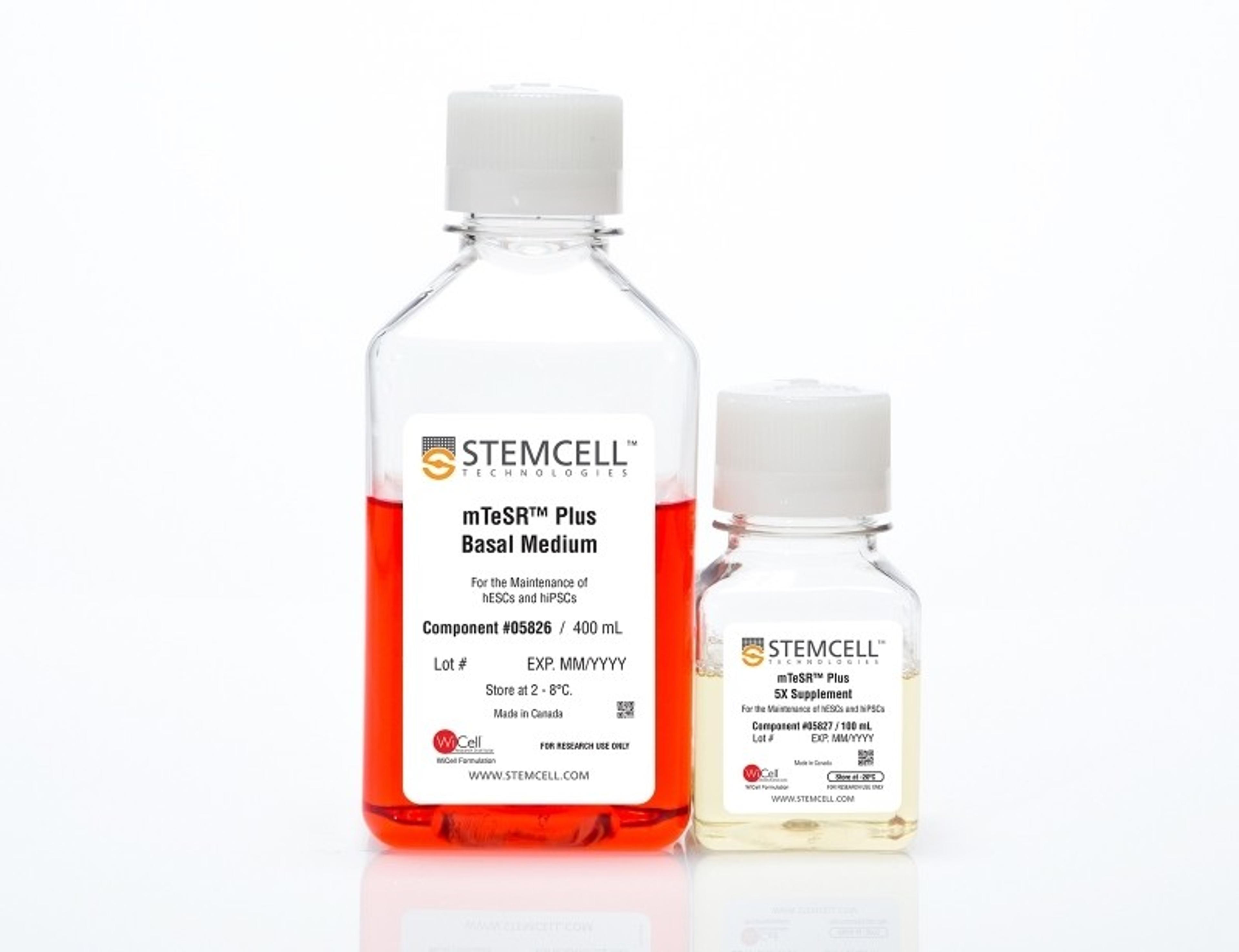
Stabilized feeder-free maintenance medium for human ES and iPS cells
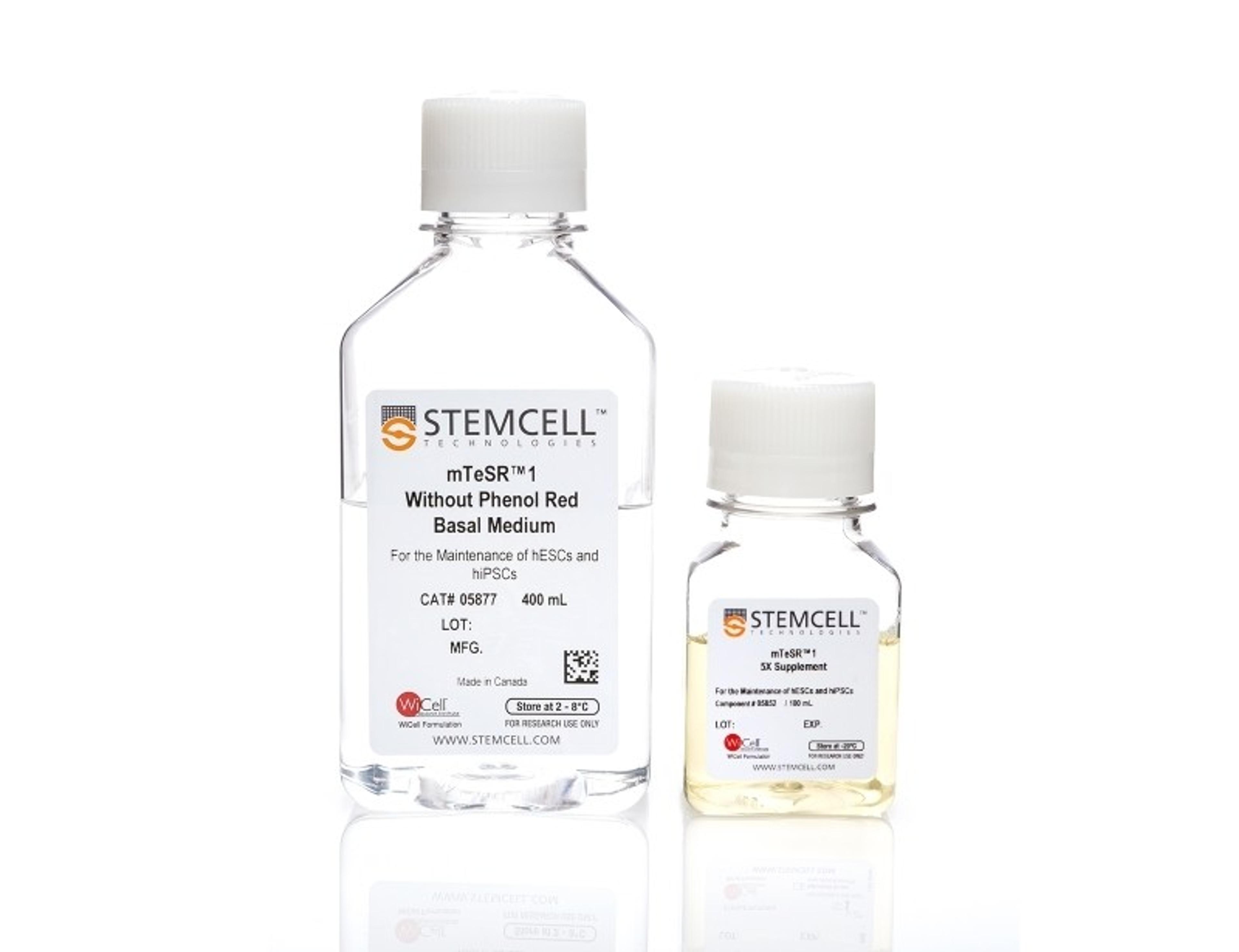
Defined, feeder-free maintenance medium for human ES and iPS cells
Receptor activator of nuclear factor kappa-B ligand, animal component-free
Next-generation label-free single-cell isolation for cell line development.
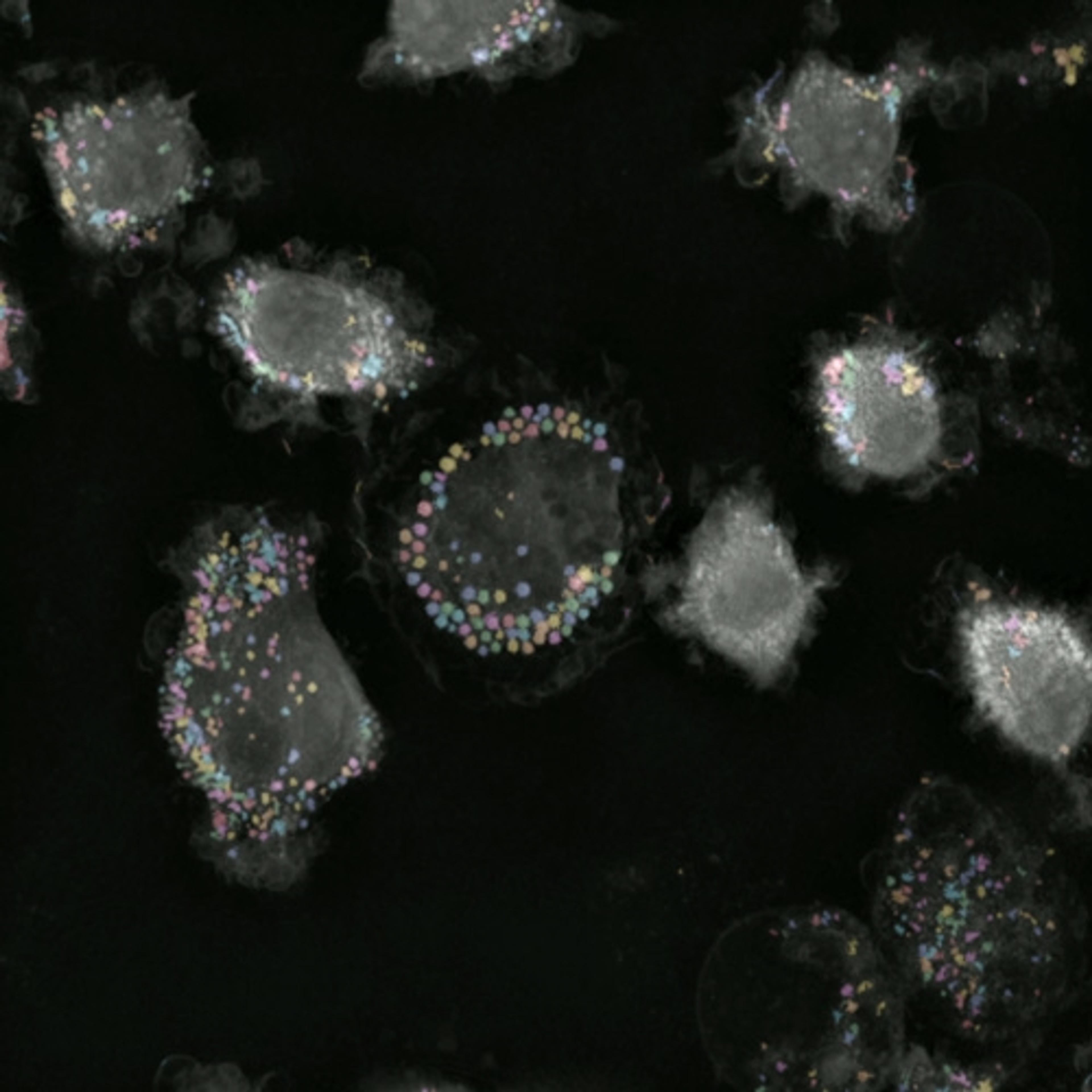
A push-button solution to analyze lipid droplet dynamics, label-free.
11mm aluminum crimp cap with type 5 rubber/PTFE liner (grey)
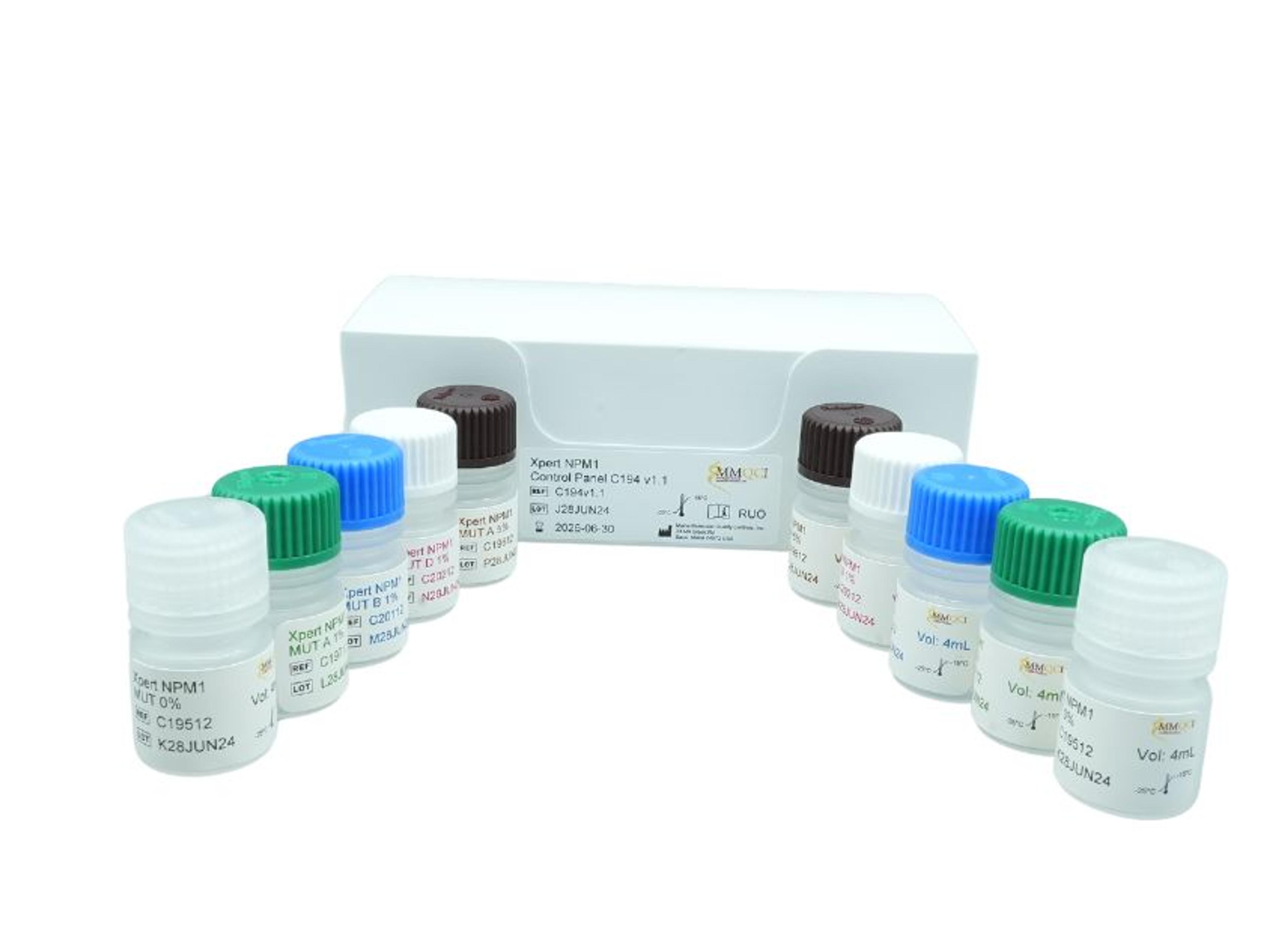
The Xpert NPM1 Control Panel C194v1.1 is intended for use as an assayed external quality control to monitor the performance of in vitro laboratory nucleic acid testing procedures for the quantitative detection of the NPM1 Type A, Type B, and Type D mutant mRNA transcripts and ABL1 endogenous control mRNA transcript when analyzed using the Xpert® NPM1 Mutation assay on Cepheid GeneXpert® Instrument Systems.
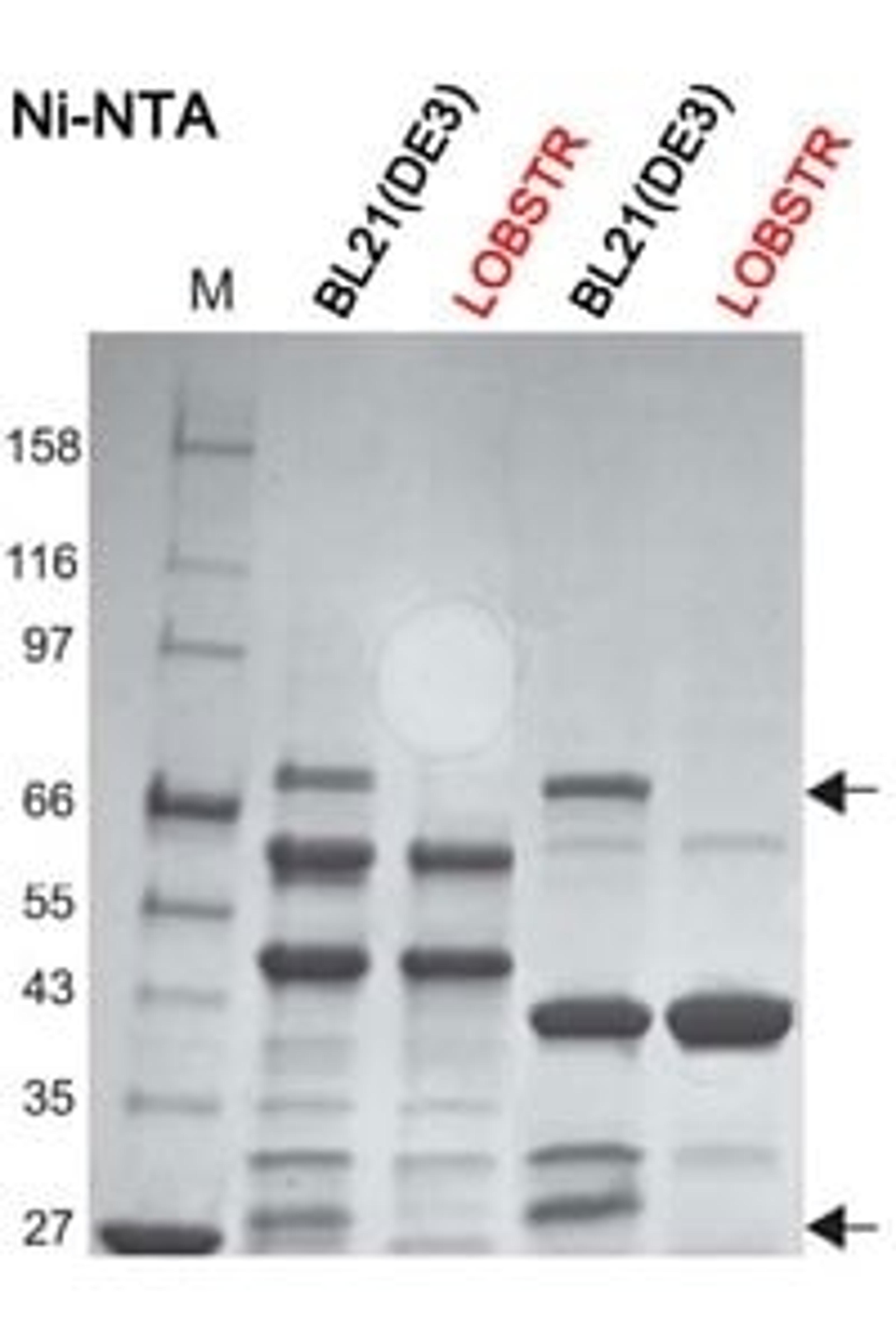
Ideal for low-expressing protein targets, the LOBSTR E. coli expression strain allows for one-step polyhistidine-tag affinity purification by eliminating the two major E. coli contaminants. Traditionally, a major drawback to using polyhistidine-tag affinity purification for proteins expressed in E. coli is contamination resulting from the presence of two naturally histidine-rich proteins in E. coli, ArnA and SlyD. LOBSTR (l…