ProductsSeparations
ZORBAX Extend-C18 (USP L1)
Agilent TechnologiesExtend-C18 columns incorporate a unique patented bidentate silane, combined with a double-endcapping process that protects the silica from dissolution at high pH - up to pH 11.5.

Extend-C18 columns incorporate a unique patented bidentate silane, combined with a double-endcapping process that protects the silica from dissolution at high pH - up to pH 11.5.
Agilent Mass Profiler Professional (MPP) software is a powerful chemometrics platform designed to exploit the high information content of MS data and can be used in any MS-based differential analysis to determine relationships among two or more sample groups and variables.
The Agilent MassHunter METLIN Metabolomics Database and Library enable streamlined metabolite identification to facilitate understanding of global metabolic changes that can occur in a biological system. Available as a comprehensive database of metabolites (PCD) that optionally includes MS/MS spectra (PCDL).
The 1260 Infinity II SFC System is a supercritical fluid chromatography (SFC) solution that supports pressures up to 600 bar at flow rates up to 5 mL/min. Its unique FEED injection technology enables reproducible injections over a wide range (0.1 to 90 µL).
Experience the power of analytical compound isolation
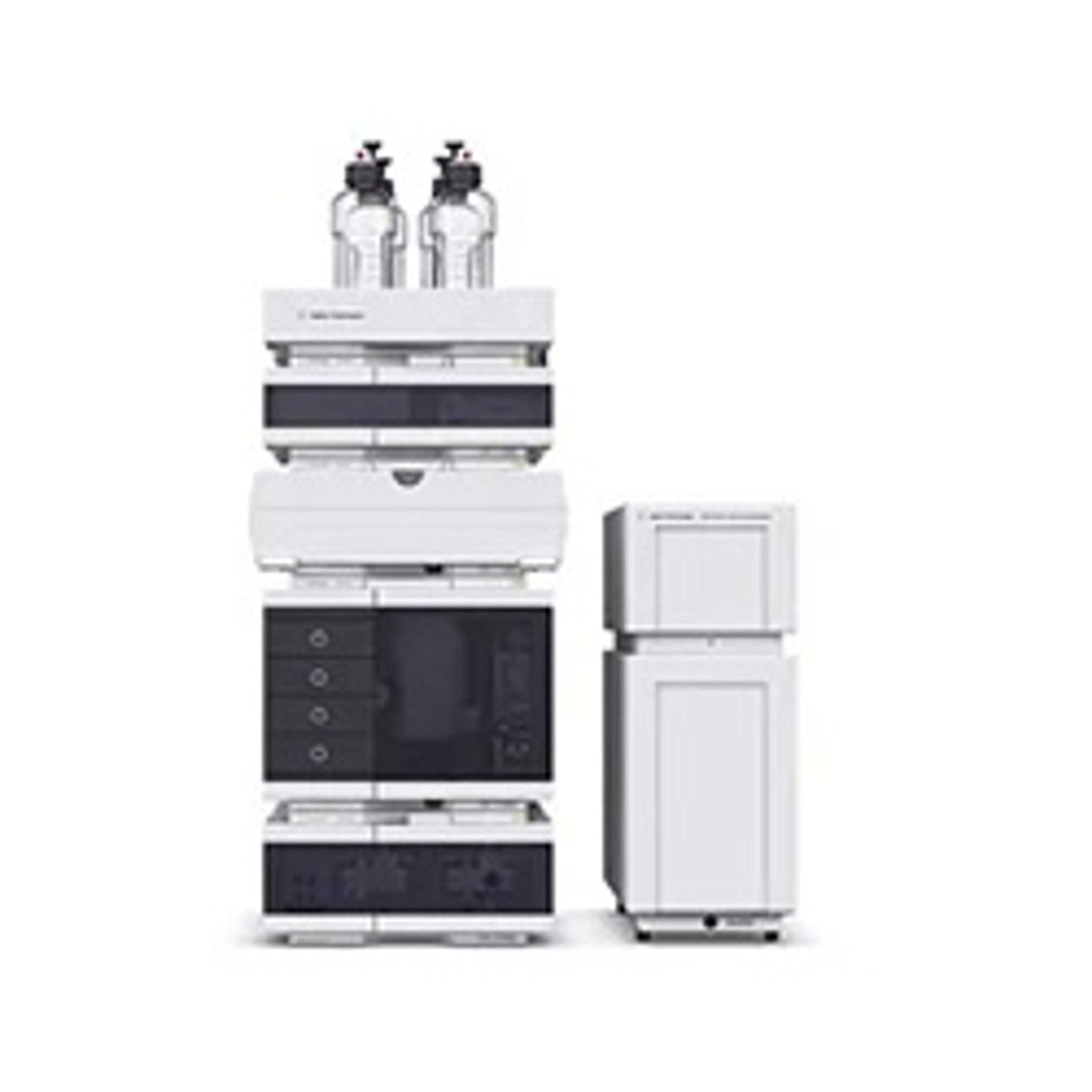
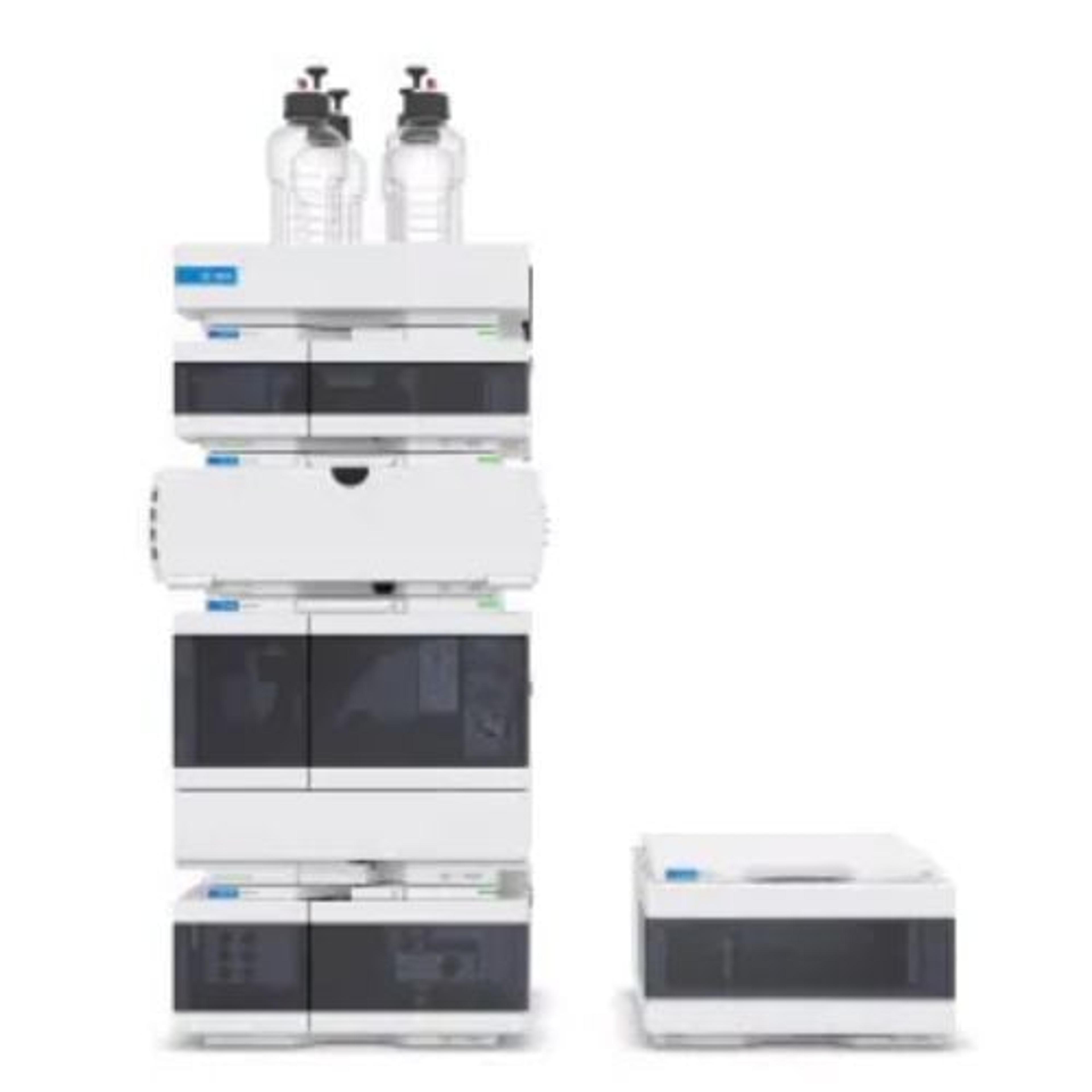
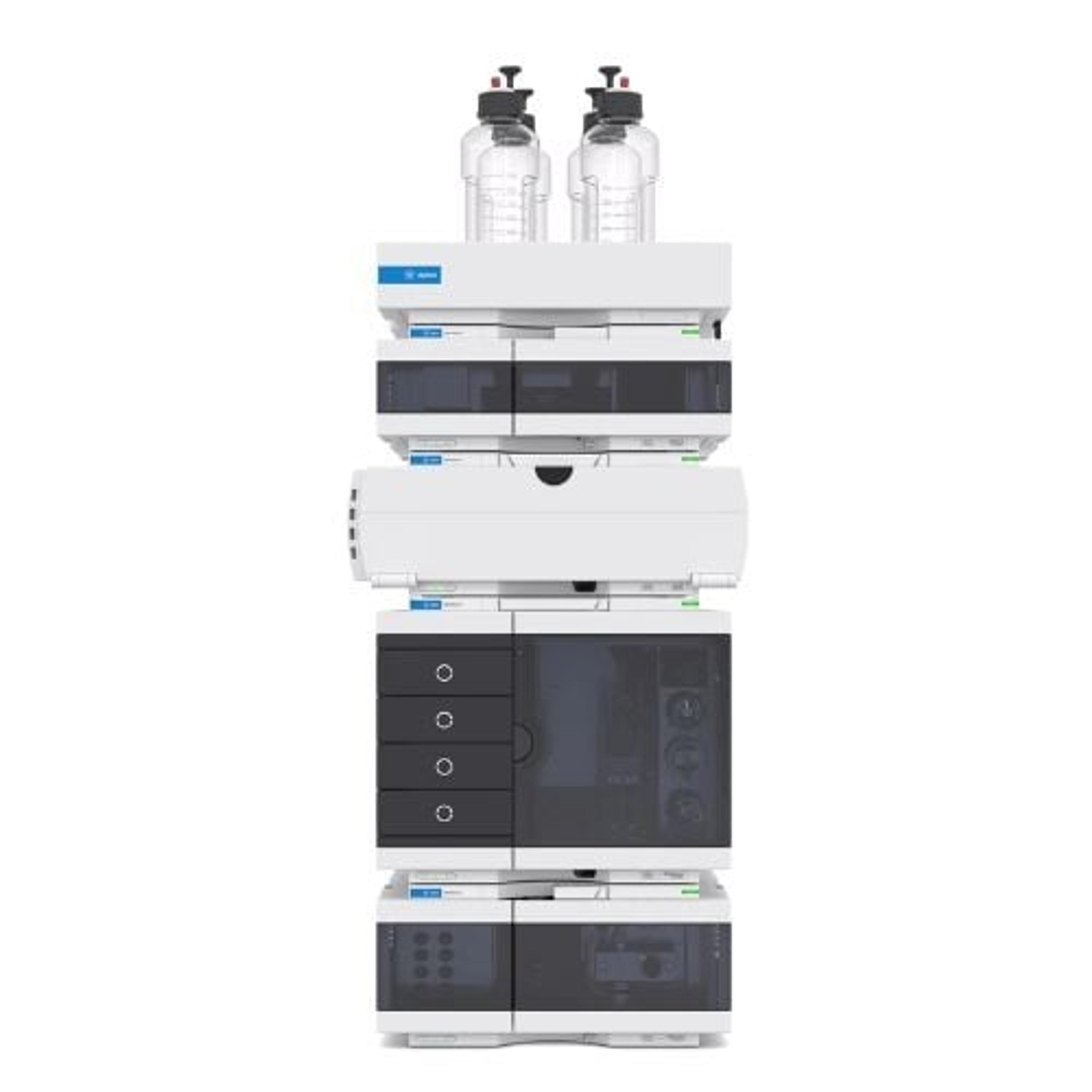
The 1260 Infinity II LC System is a robust HPLC that offers the widest choice of modules for analytical HPLC and entry-level UHPLC, delivering the performance, reliability, and robustness you need for highest confidence in your daily results.
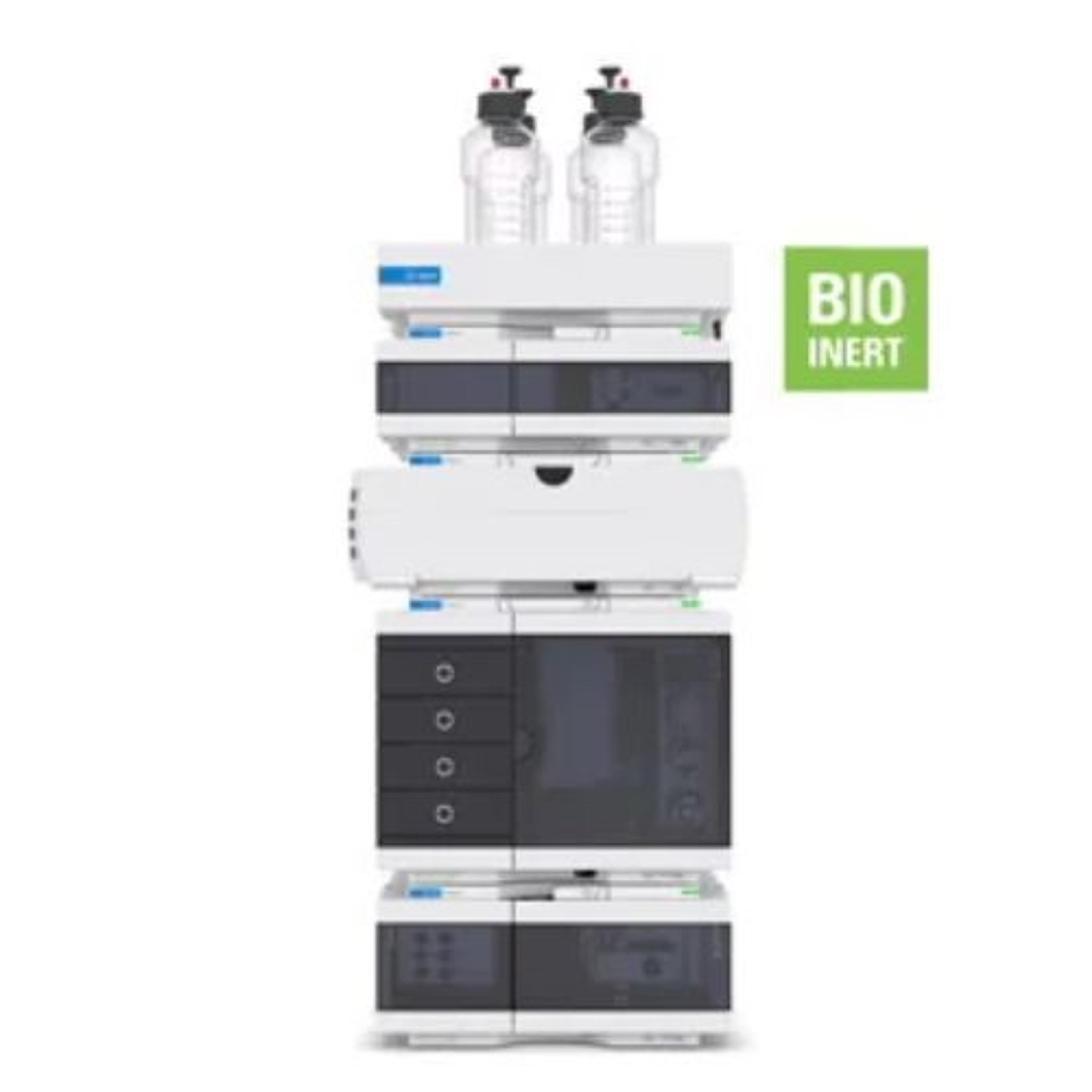
The 1260 Infinity II Bio-Inert Pump is a quaternary UHPLC pump that is made of bio-inert material for use in biological and extreme pH applications. This pump enables gradient formation and solvent blending from up to four solvents and operates at pressures up to 600 bar and flow rates up to 10 mL/min.
The 1290 Infinity II Diode Array Detector (DAD) delivers multiple wavelength detection with full spectra at sampling rates up to 240 Hz for ultrafast UHPLC separations. The Max-Light cartridge cell features optofluidic waveguides, which improve light transmission to near 100% efficiency without sacrificing resolution caused by cell dispersions effects.
The 1260 Infinity II Preparative Fraction Collector is optimized for laboratories performing semipreparative-scale purification of milligram to low gram quantities with typical flow rates between 4 and 100 mL/min. The module features the full set of collection modes and is compatible with a wide variety of trigger sources. SBS plates and four different tube sizes with various lengths are supported.
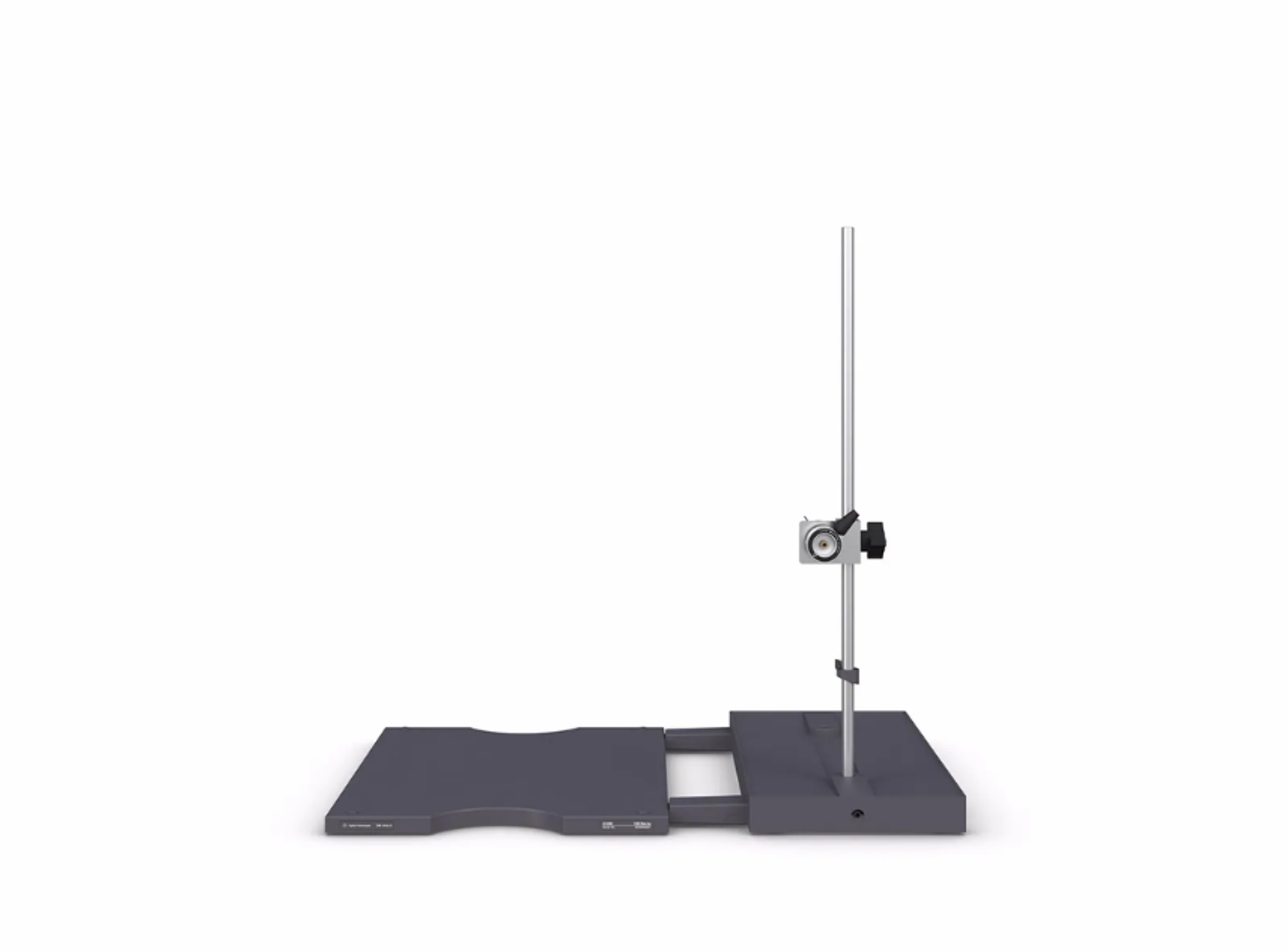
The 1260 Infinity III Manual Injector is an HPLC valve for manual injection of samples at pressures up to 600 bar. It is supplied with a baseplate, which is dimensioned to match the footprint of all 1260 Infinity modules. The 1260 Infinity III Manual Injector is a compact, affordable solution for sample injection.
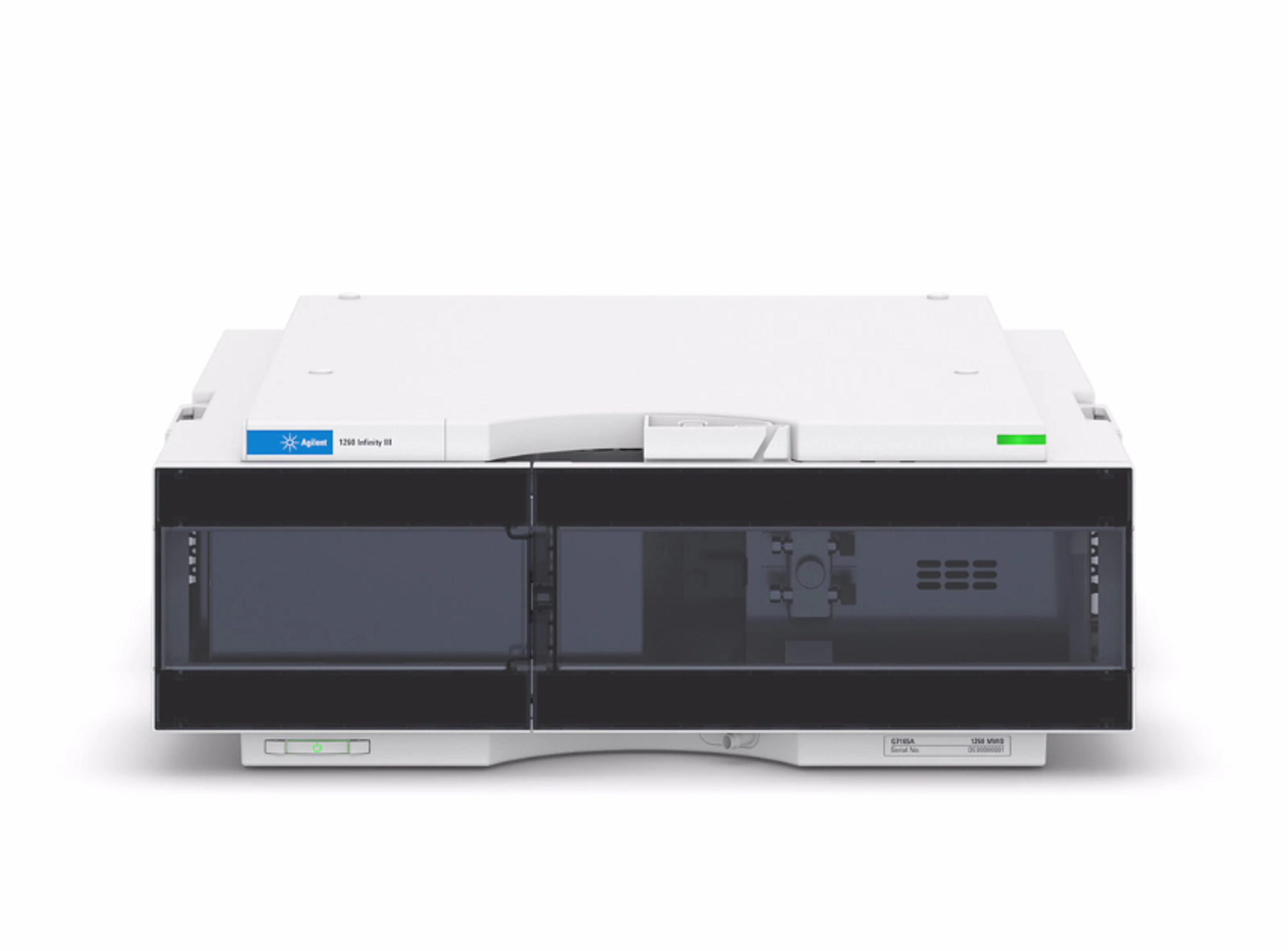
The diode array design of the 1260 Infinity III Multiple Wavelength Detector offers very low detector noise (less than ±7 μAU) for precise quantification of trace levels, regardless of the number of signals recorded. Over a wavelength range from 190 to 950 nm, simultaneous detection of up to eight compound-specific wavelengths for optimum selectivity is provided.
The 1260 Infinity II Preparative Autosampler is designed for automated sample handling in routine purification applications. This flow-through vialsampler supports preparative flow rates of 200 mL/min and 600 bar pressure. Increase your daily throughput of purified sample by injecting up to 132 preparative samples with a maximum of 3.6 mL volume.
The 1260 Infinity II Preparative Binary Pump is an affordable high-pressure gradient pump for LC purification. The pump offers a dynamic flow rate range from 1 to 50 mL/min at up to 420 bar, allowing workflows on columns from 9.4 to 30 mm inner diameter.
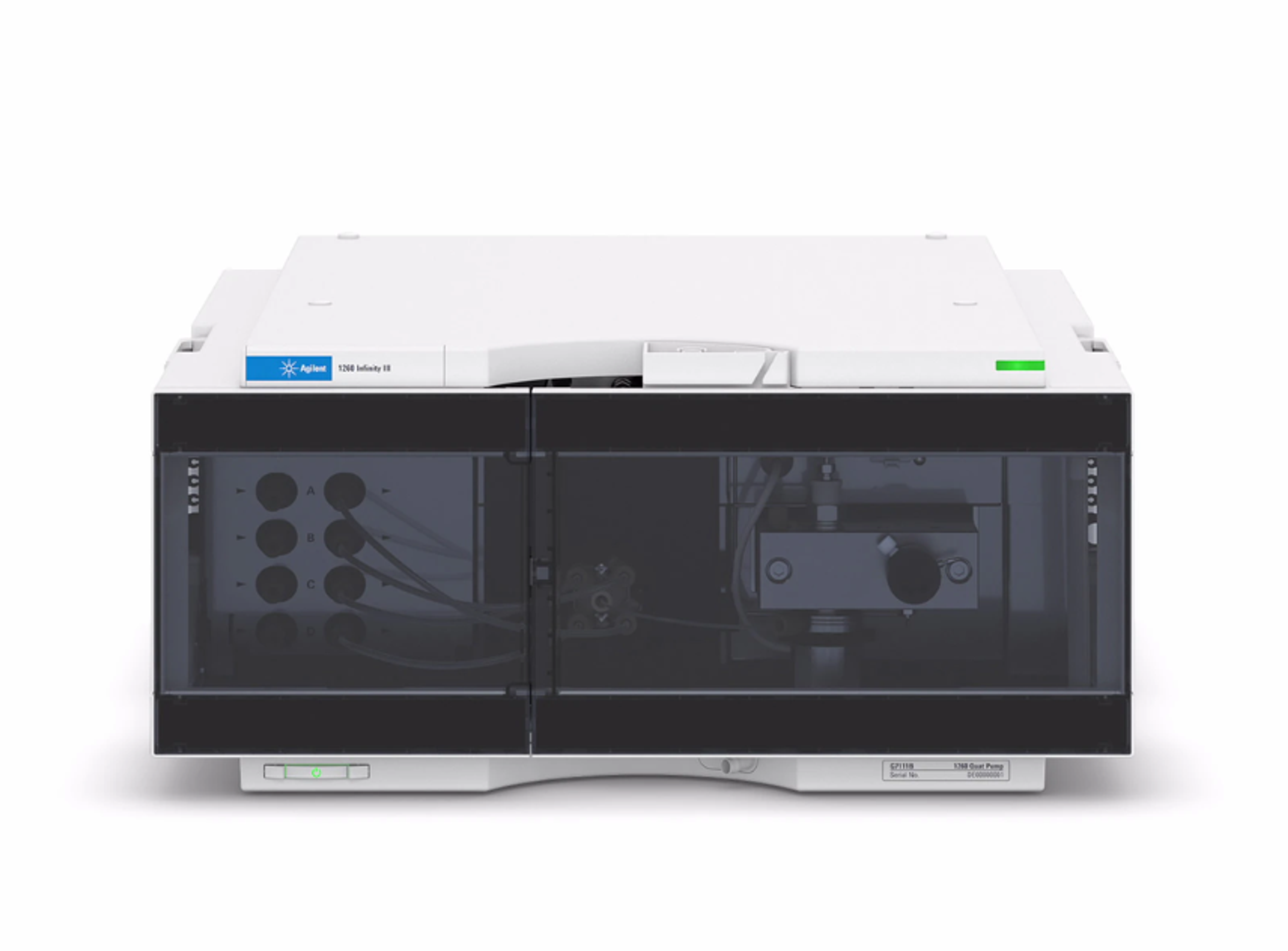
The 1260 Infinity III Quaternary Pump is a gradient pump that uses low-pressure mixing for UHPLC gradient formation and solvent blending from up to four solvents. This pump operates at pressures up to 600 bar and flow rates up to 10 mL/min.
The 1290 Infinity II Refractive Index Detector (RID) is a UHPLC RID detector that provides excellent sensitivity, resolution, and sample throughput for UHPLC DRI experiments. The 1290 Infinity II RID is a equipped with an ultralow dispersion microflow cell and a data rate of 148 Hz, which significantly reduces run times for higher sample throughput and improved resolution and sensitivity.
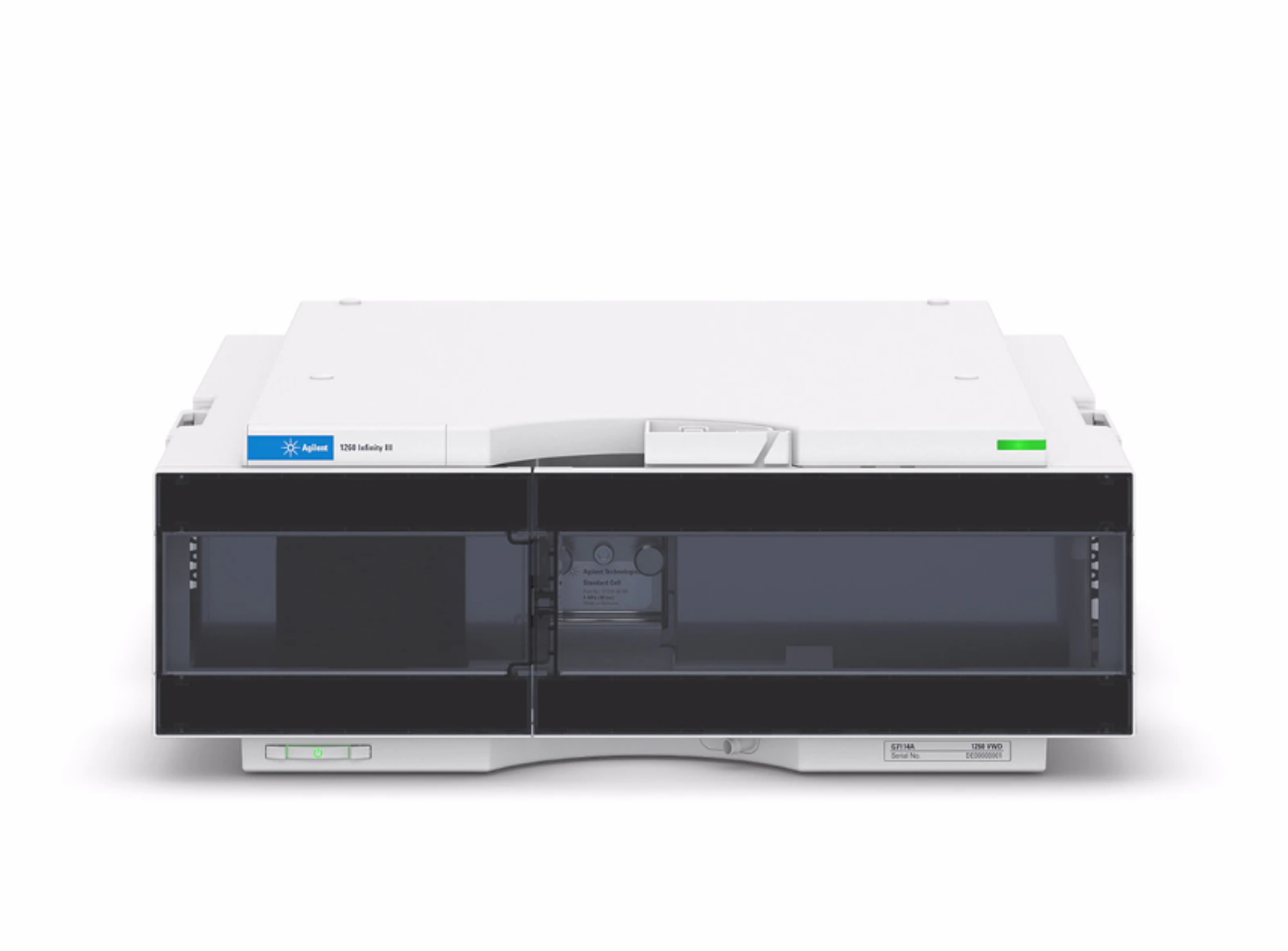
The 1260 Infinity III Variable Wavelength Detector enables highest productivity with fast analysis at up to 120 Hz data rates. Even more sample information can be acquired in dual-wavelength mode. Time-programmable wavelength switching provides optimum sensitivity and selectivity for your applications.
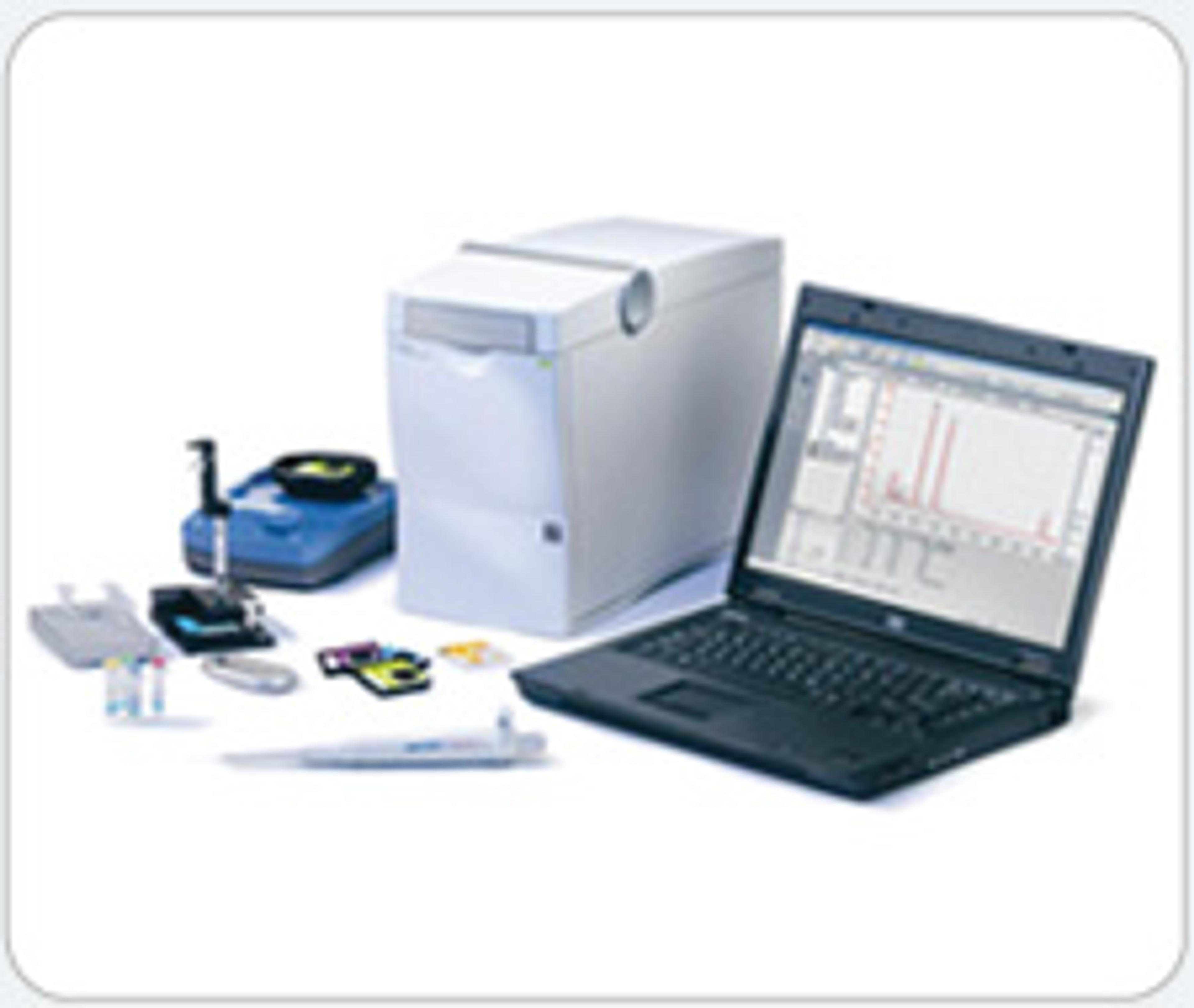
The 2100 Expert Software offers powerful data evaluation tools for all available assays, allowing you to get the most out of your digital data.
The 1260 Infinity II Bio-Inert LC is a dedicated solution for analysis of large biomolecules in biological samples, including monoclonal antibody (mAb) and protein analysis. Metal-free components in the sample flow path and the absence of iron and steel in solvent delivery lines ensure the integrity of your biomolecules, minimize unwanted surface interactions, and increase column lifetime.
The 1260 Infinity II Degasser is suitable for analytical applications with flow rates up to 10 mL/min and up to four solvents. It is highly recommended for GPC/SEC applications using refractive index detection. It reduces baseline noise and quenching effects due to high degassing capacity.
The 1290 Infinity Flexible Cube is an auxiliary module that allows flexible online SPE applications by supporting up to two Agilent Quick Change Valve drives for online SPE valves and a built-in pump to facilitate enhanced flushing capabilities and to reduce carryover.
The DNA kits are ideal for automated sizing and quantitation of PCR fragments, restriction digests or fragmented DNA.
The Agilent Protein 80 and Protein 230 kits provide a reliable way to assess protein concentration, identity, and purity. It eliminates handling of SDS-PAGE slab gels, staining or imaging steps.
The Agilent CE/MS System comprises the Agilent 7100 CE System directly interfaced with any of the Agilent LC/MS systems. A range of ion sources, including standard ESI, can be installed, and additional detectors—such as UV-DAD, LIF, and CCD—can be operated parallel to MS. Agilent MassHunter software can be used to control the entire system from one workstation.
The Agilent DNA Fish ID solution uses advanced software to achieve more accurate results – quickly and easily. Key to the process is the Agilent 2100 Bioanalyzer and RFLP Decoder Software performs RFLP pattern matching, which eliminates the need for manual calling
The StrataPrep plasmid preparation kits provide a rapid method for purifying plasmid DNA from bacterial cultures.