
The Ultimate Guide to Determination of Acids in Food & Beverages
6 Sept 2017This guide reviews different methods of acidity and acid content determination, depending on the product and requirements. It covers titration determination of acidity, ascorbic acid (Vitamin C), citrate and sulfurous acid, giving a description of each method, example results and useful hints and tips for each. In addition, it describes pH measurement and how to choose the best pH electrode.
Related products
Request Quote for All Products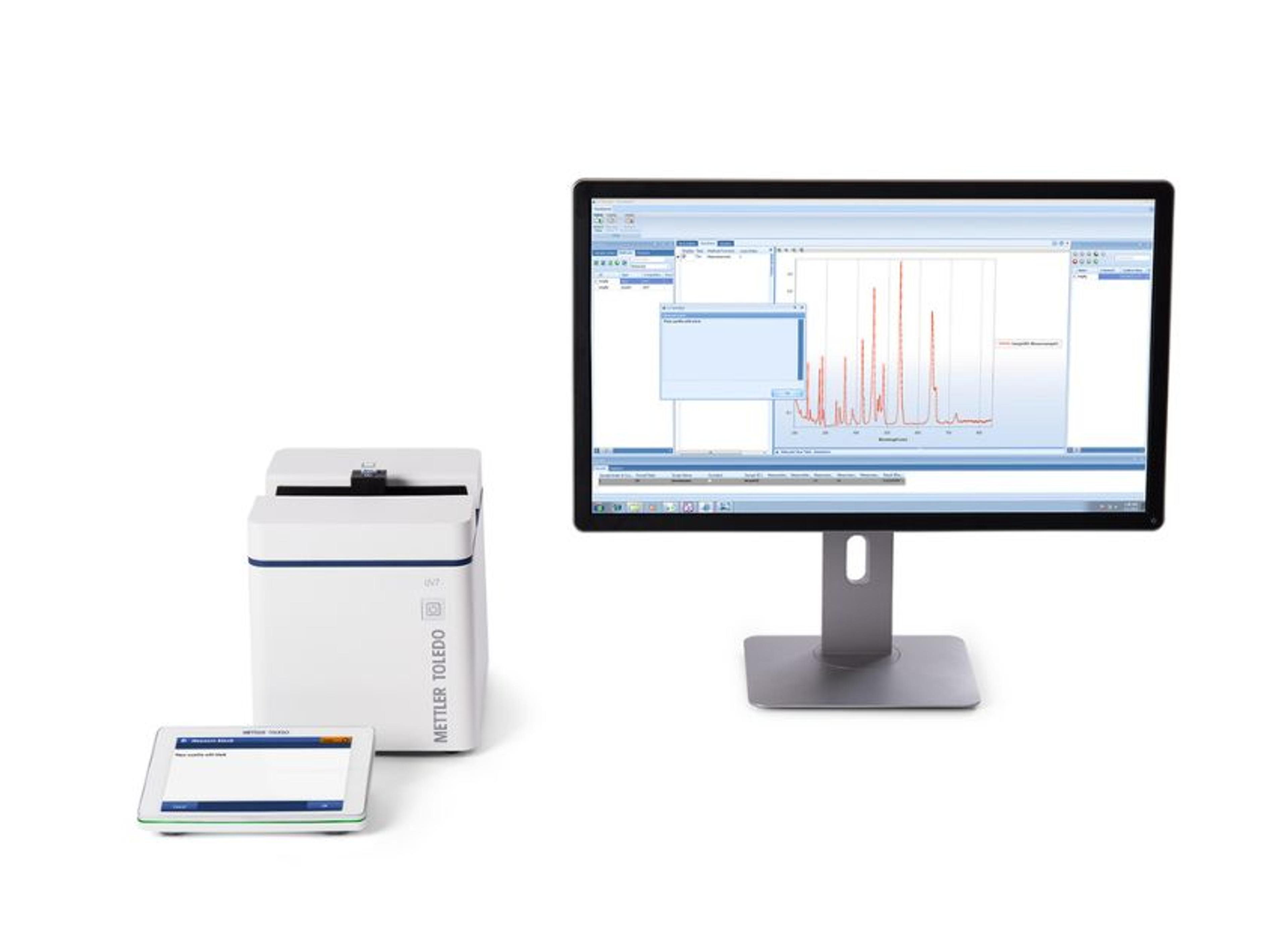
LabX UV/VIS
METTLER TOLEDOUV/VIS LabX Software is fully adaptable to meet your needs. The many options in LabX allow you to simplify the way you work, ensuring that transcription errors and omissions are a thing of the past. LabX takes care of all of the hard work, enhancing productivity and decreasing manual interactions.
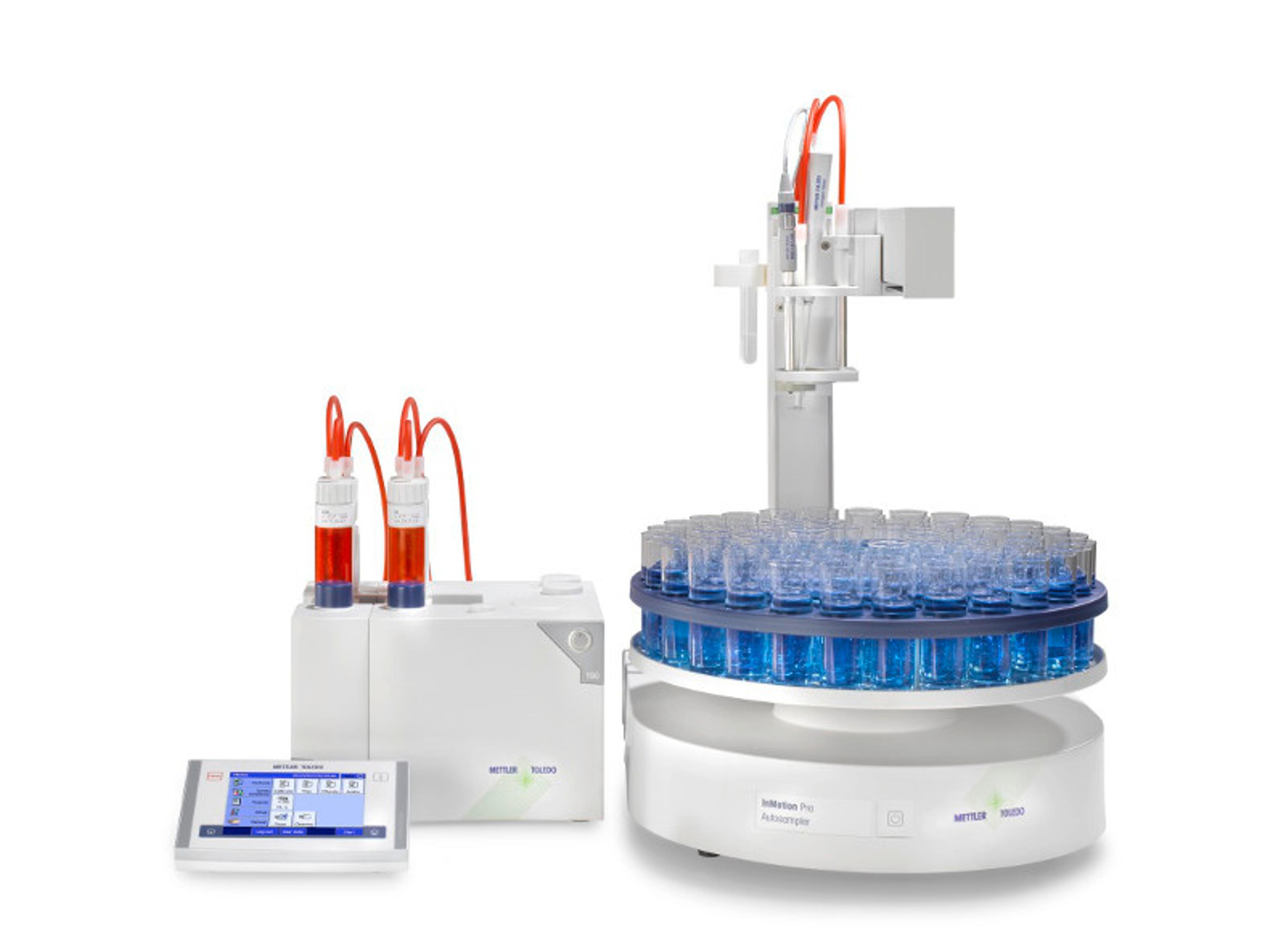
InMotion Autosamplers
METTLER TOLEDOFrom eliminating process order and transcription errors of sample information to complex cleaning and environmental control and protection for analysis, our InMotion autosamplers are designed to assist in every way for flexible workflows and efficient analysis.
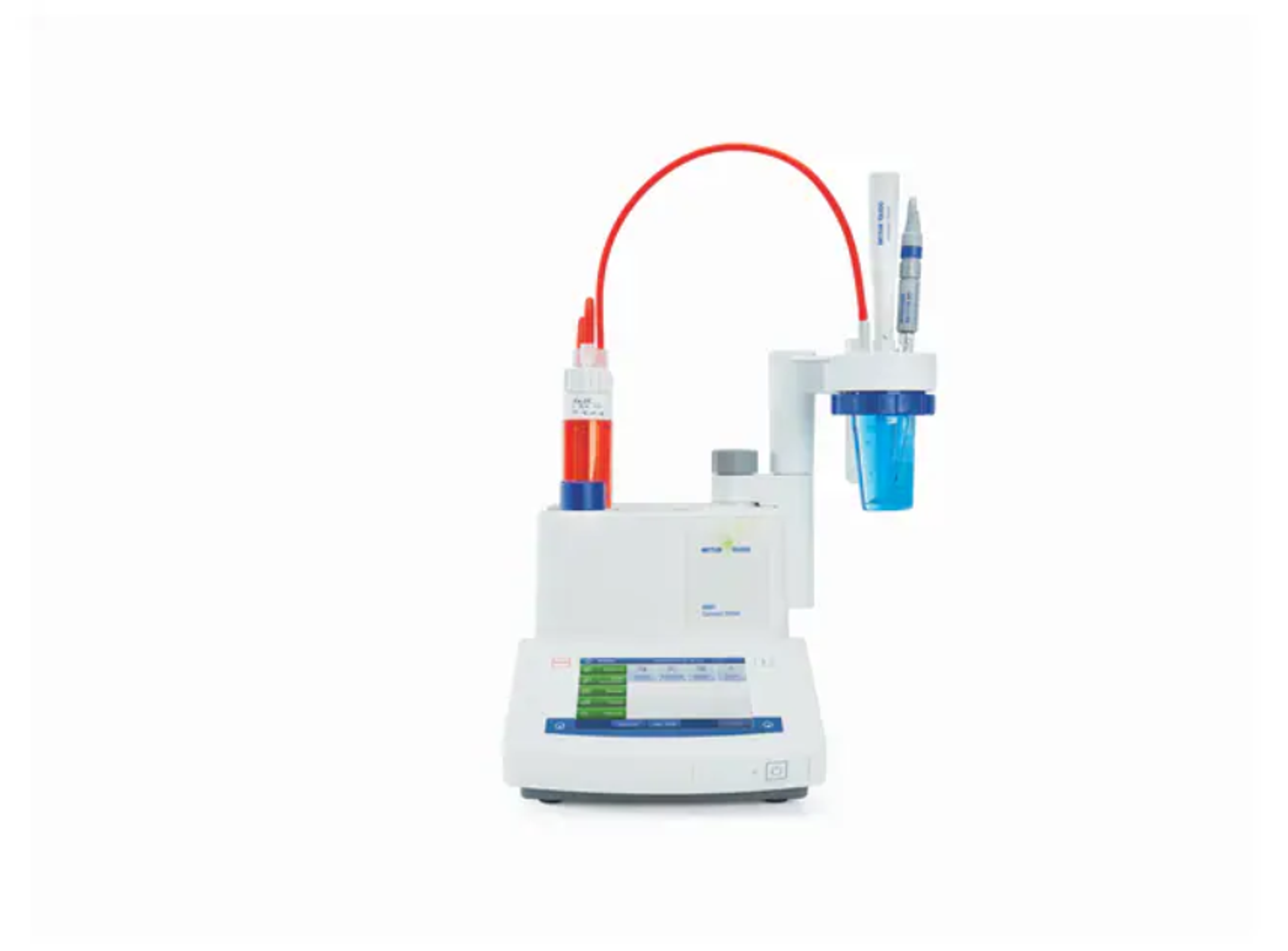
G20S
METTLER TOLEDOThe Routine Potentiometric G20S titrator combines fast and precise potentiometric titration analysis with simple operation. With its easy-to-use interface and space saving design, it is the optimal choice for your daily routine analysis.