Streamlined method for pesticide residues in high-lipid food samples

26 Mar 2020

Complex samples that are high in lipid content pose one of the greatest challenges in pesticide residue analysis. In this application note, UCT outlines the performance benefits achieved using the new LipiFiltr® cartridge in applications involving multi-class, multi-residue analysis for a wide range of pesticides in complex, high-fat samples.

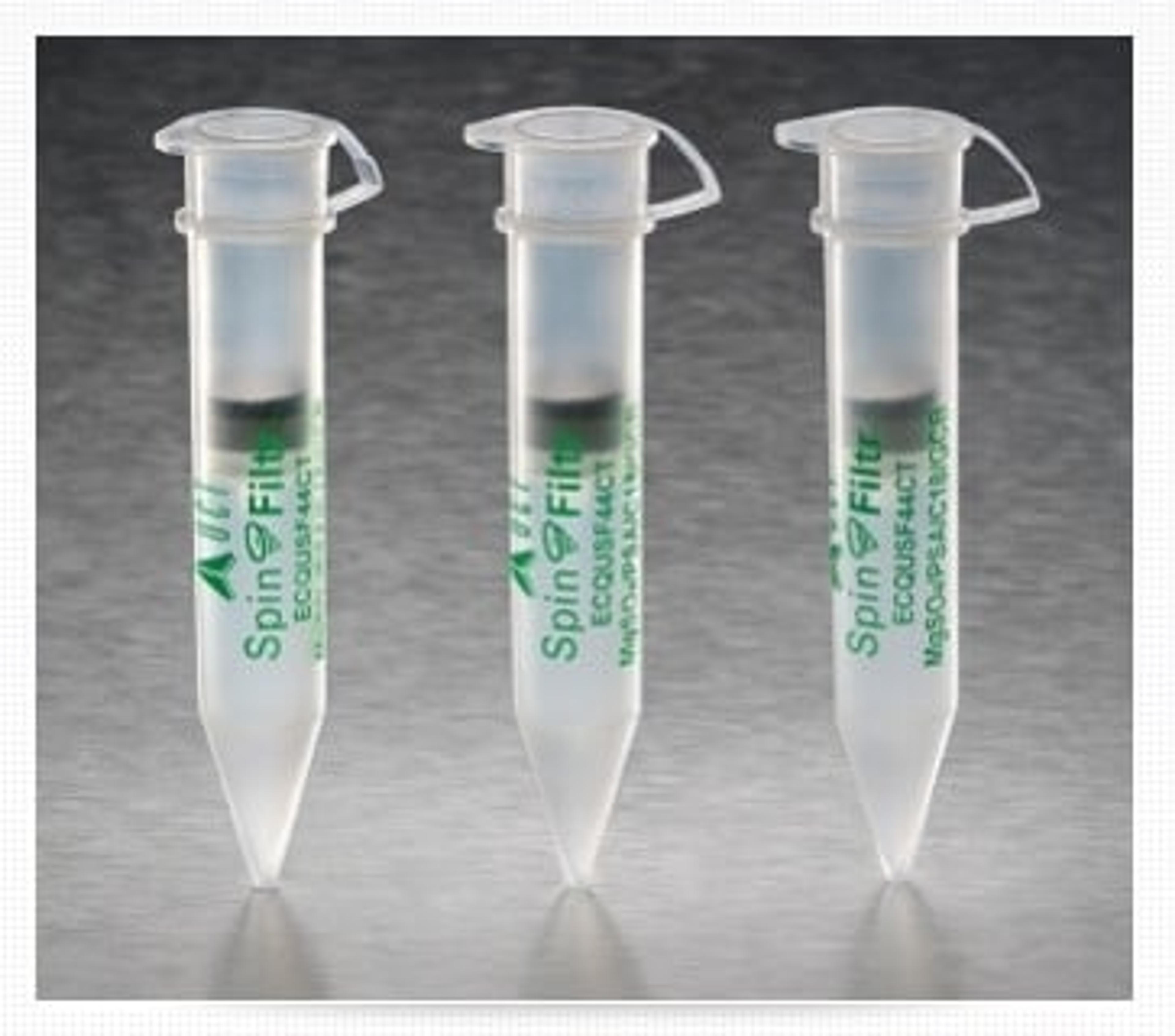
SpinFiltr

UCT, Inc.

  The latest addition to UCT’s QuEChERS line puts a new “spin” on dSPE. SpinFiltr™ combines the practice of conventional dSPE with the added benefit of ultrafiltration. UCT’s new format of dSPE salts paired with a 0.2µm filtration device, simultaneously removes unwanted matrix compounds and filters samples without the need for any additional steps. With traditional dSPE, analysts must pay close attention when removing the purified extracts from tubes as to not disrupt the layers formed during centrifugation. SpinFiltr™ not only eliminates this problem, but also allows analysts to recover additional sample without the salts getting in the way!  Simply:  Add Vortex Spin Salts and unwanted matrix stay in the top chamber while purified extract is filtered and collected in the bottom portion of the tube. The chamber is discarded and analysts are left with only purified extract that is ready for analysis.  

(2)

Links

Tags

UHPLC and HPLCHigh performance liquid chromatography (HPLC) and ultra high performance liquid chromatography (UHPLC), also known as UPLC, are analytical techniques used to separate, identify and quantitate components of complex mixtures including biological samples such as proteins and lipids as well as chemical mixtures of pesticides, drugs and oils. Both techniques are liquid chromatographic methods but differ by operating pressures (HPLC < 6000 psi < UHPLC ). Components of HPLC and UHPLC systems include columns, detectors, pumps, autosamplers and column heaters. Explore a range of UHPLC and HPLC columns for your specific sample needs including reverse phase, normal phase, ion exchange, HILIC, ion exclusion and size exclusion columns. For more specialized HPLC, explore FPLC, countercurrent LC and simulated moving bed systems. Find the best UHPLC and HPLC equipment in our peer reviewed product directory: compare products, check customer reviews and receive pricing direct from manufacturers.Food and Beverage AnalyzersFood and Beverage Analyzers are commonly used to provide information about the chemical composition, structure and physical properties of food materials.Mass SpectrometryMass spectrometry (MS) is a powerful analytical technique used to identify and quantify molecules based on the mass-to-charge ratio of gas-phase ions. It provides detailed information about the structure, composition, and properties of compounds and is widely used across fields such as environmental monitoring, materials science, drug discovery and development, food and beverage testing, and wider chemical research. Key MS techniques include tandem mass spectrometry (MS/MS), liquid chromatography–mass spectrometry (LS-MS) and inductively coupled plasma (ICP-MS). Choosing from these wide range of techniques and technologies can be a daunting task, so keep up to date with scientific applications, performance expectations, and customer reviews here all in one place. Visit our product directory to receive quotes direct from the manufacturer. PesticidesPesticides are used to protect crops from diseases, pests and unwanted plants. They are classed as persistent organic pollutants (POPs) and can be harmful to humans. The Environmental Protection Agency (EPA) currently regulates the use of pesticides in the USA. Food TestingFood testing refers to a variety experiments including PCR, mass spectrometry, processing, QuEChERS, analyzing and Kjeldahl.
Streamlined method for pesticide residues in high-lipid food samples