Selecting the Right Tool for In-Gel and In-Solution Protein Digestion

16 Aug 2015

A variety of problems can occur with in-gel and in-solution protein analysis; poor peptide recovery is common in in-gel digestion whereas incomplete digestion is often seen in in-solution digestion. In this application note, a tailored method for in-gel protein digestion is employed using ProteaseMax, a mass spectrometry compatible surfactant, aimed at minimizing missed tryptic cleavages, leading to increased protein identifications, higher accuracy of protein quantitation and better analytical reproducibility.

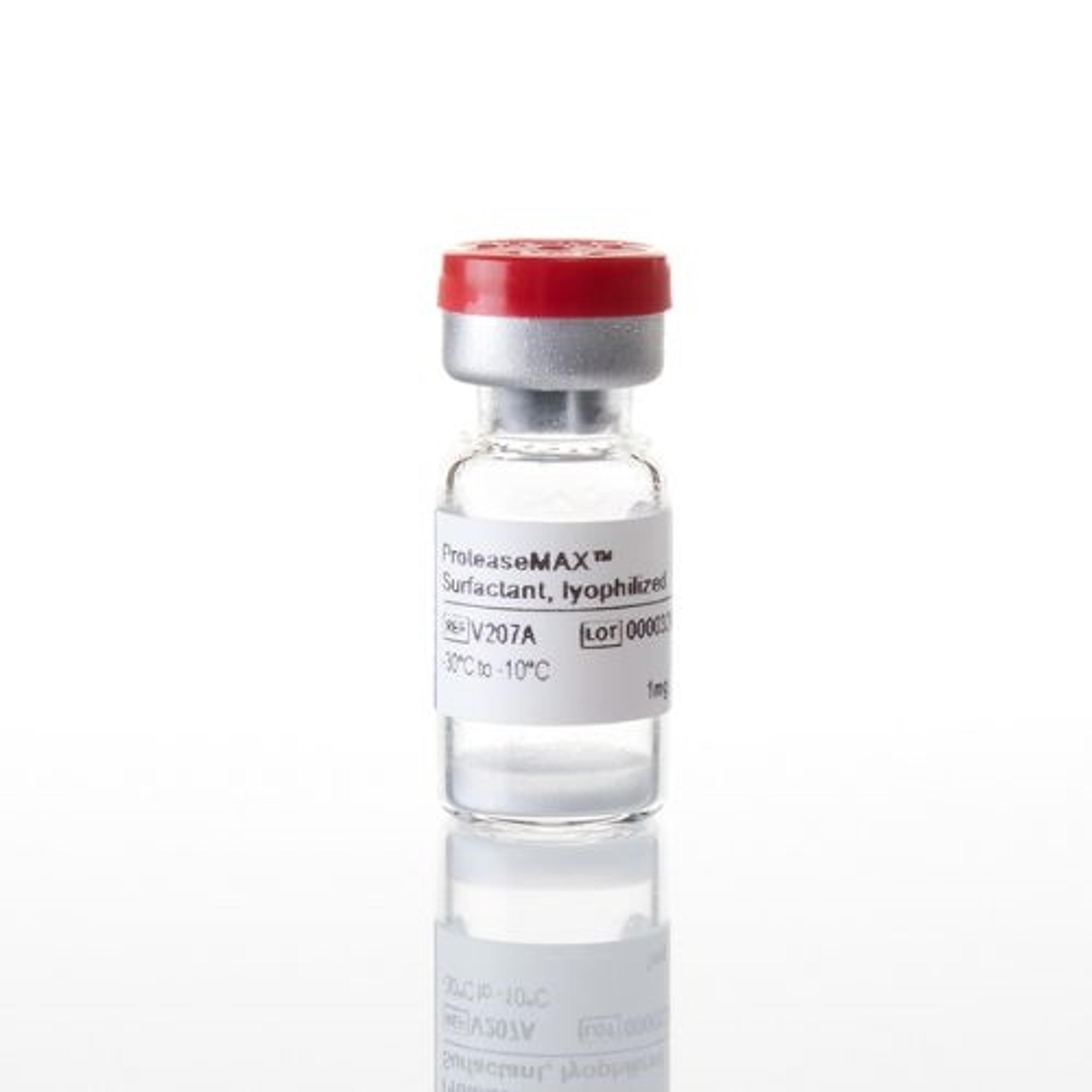
ProteaseMAX™ Surfactant, Trypsin Enhancer

Promega Corp.

ProteaseMax™ Surfactant is a high-quality reagent for use in protein and peptide sample preparation.   ProteaseMax™ Surfactant solubilizes proteins and ensures fast and improved protein digestion with trypsin or chymotrypsin. It is designed to degrade over the course of a digestion reaction, yielding products that are compatible with downstream methods such as mass spectrometry (MS) and liquid chromatography (LC). For in-gel protein digestion, ProteaseMax™ Surfactant also improves the recovery of peptides. ProteaseMax™ Surfactant can be used with existing in-gel or in-solution digestion protocols.  

(0)

Links

Tags

Protein PurificationProtein purification is a vital step in drug discovery, therapeutics, biotech and life science research. The purification process typically involves subcellular or membrane protein extraction with cell lysis kits, separation of proteins from cell debris by filtration or spin columns, and the isolation of proteins of interest from other proteins and impurities with affinity purification (including fusion protein tags and antibody binding proteins A, G and L), immunoprecipitation or chromatographic methods, such as ion exchange, size exclusion and immobilized metal affinity chromatography. All purification methods come in multiple formats for your laboratory needs, including agarose or magnetic beads, resins, columns and filter plates. Find the best protein purification equipment in our peer-reviewed product directory: compare products, check customer reviews and receive pricing direct from manufacturers.Protein QuantificationThe detection and quantification of proteins in a sample is vital across life sciences, pharmaceutical research and clinical diagnostics, and a variety of equipment is available to scientists to simplify the workflow. Proteins of interest can be easily labeled and detected on light-based detection instruments. Immunoassay kits allow you to identify a specific protein of interest and protein detection beads or antibody microarrays allow you to identify multiple specific proteins at once. Protein interactions and enzyme activity can also be monitored with protein-protein interaction assays. Additionally, the biophysical characterization of proteins is made easy with biokinetic analyzers. Find the best protein detection and quantification products in our peer-reviewed product directory: compare products, check customer reviews and receive pricing direct from manufacturers.Protein BiologyThe analysis of protein expression, identity and function is vital for many areas of life science research and drug discovery. Some of the most commonly used techniques in protein analysis include Western blotting, electrophoresis and mass spectrometry.Protein DetectionProtein detection techniques are essential for understanding protein expression, localization, and function. Methods such as western blotting, ELISA, and mass spectrometry are commonly used in research and diagnostics. Browse our peer-reviewed product directory to find the best tools for protein detection, compare products, check reviews, and get pricing directly from manufacturers.Digestion
Selecting the Right Tool for In-Gel and In-Solution Protein Digestion