
Microplastics in Bottled Water
12 Dec 2023The wide size range of microplastics (1 µm – 5000 µm) poses a particular challenge for their analysis. In this application note, Thermo Fisher Scientific outlines how its product portfolio is designed to tackle this challenge, focussing on the the Nicolet iN10 MX FTIR imaging microscope for particle sizes over 10 μm in diameter and the DXR2xi Raman imaging microscope for particles over 1 μm in diameter. Use of Thermo Fisher Scientific's Picta software also promises automated analysis in the filter regions where microplastics are present, increasing the analysis efficiency and minimizing the analysis time.
Related products
Request Quote for All Products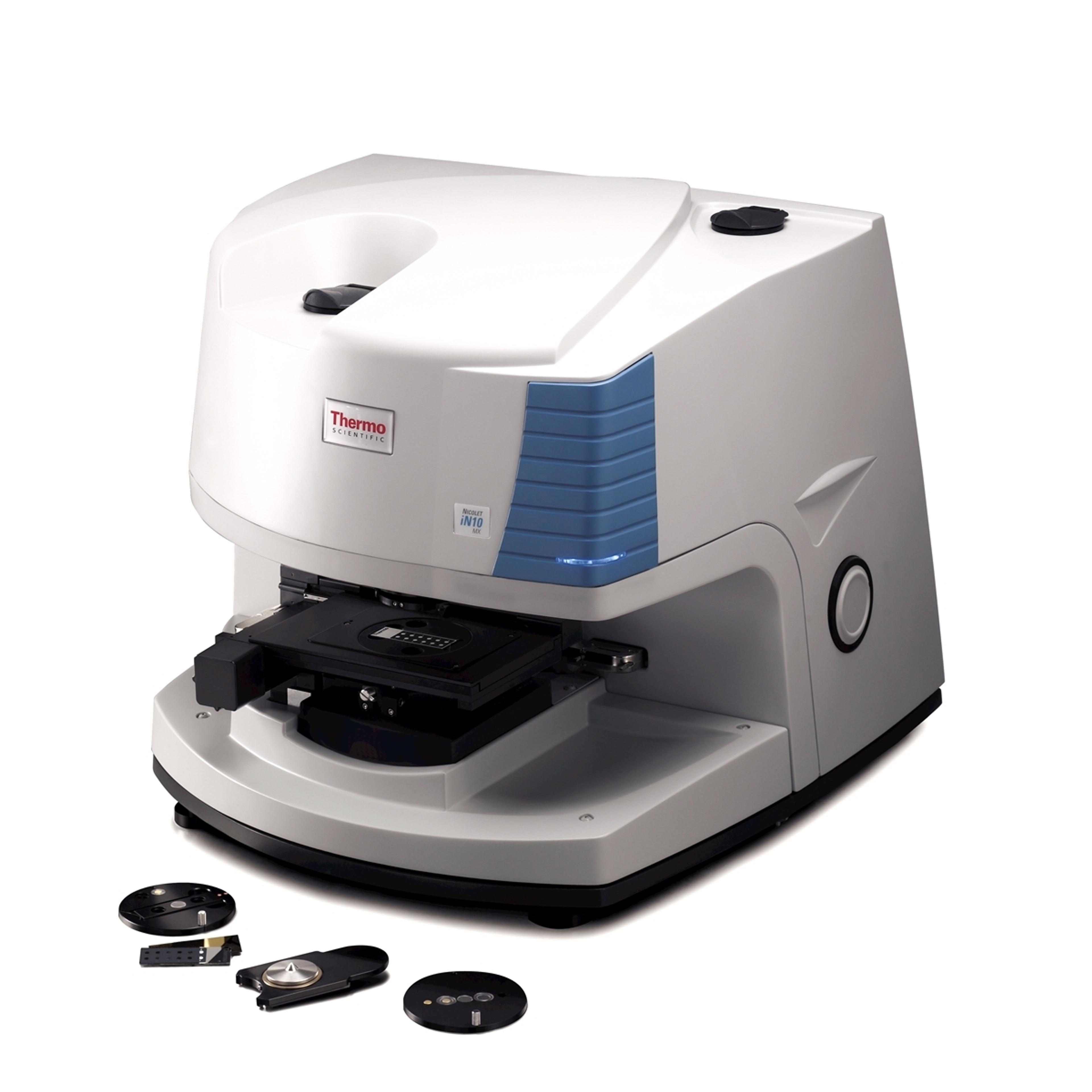
Thermo Scientific™ Nicolet™ iN10 MX Infrared Imaging Microscope
Thermo Fisher ScientificTake advantage of exceptional power and next-generation software in a productive and cost-effective microspectroscopy package.
Thermo Scientific OMNIC Software Suite
Thermo Fisher ScientificThe OMNIC™ Software Suite allows you to quickly and easily acquire, process, analyze, and manage FT-IR or Raman data in a graphical environment that is intuitive, extensible and customizable. The common software platform used by all Nicolet™ FT-IR and Raman laboratory spectrometers, OMNIC is at the heart of Thermo Scientific's unique Smart System Technology. The software provides the most advanced level of integration between software, spectrometer, and sampling accessory of any vibrational software package on the market.