
MDx-Chex controls for molecular-based testing
16 May 2024The FDA-cleared, class II assayed, patient-like full process controls, MDx-Chex™, contain intact, inactivated microorganisms suspended in a matrix of blood culture media components. The controls aim to address the gap in coverage left by traditional quality controls and ensure reliable and accurate sepsis testing. Streck discusses the development of MDx-Chex controls for use in automated DNA-based sepsis tests, and highlights data on the precision and reproducibility of these controls across multiple sites and systems. Overall, MDx-Chex controls provide a more comprehensive measure of assay performance than traditional controls and help maintain assay quality and compliance with accrediting standards and guidelines.
Related products
Request Quote for All Products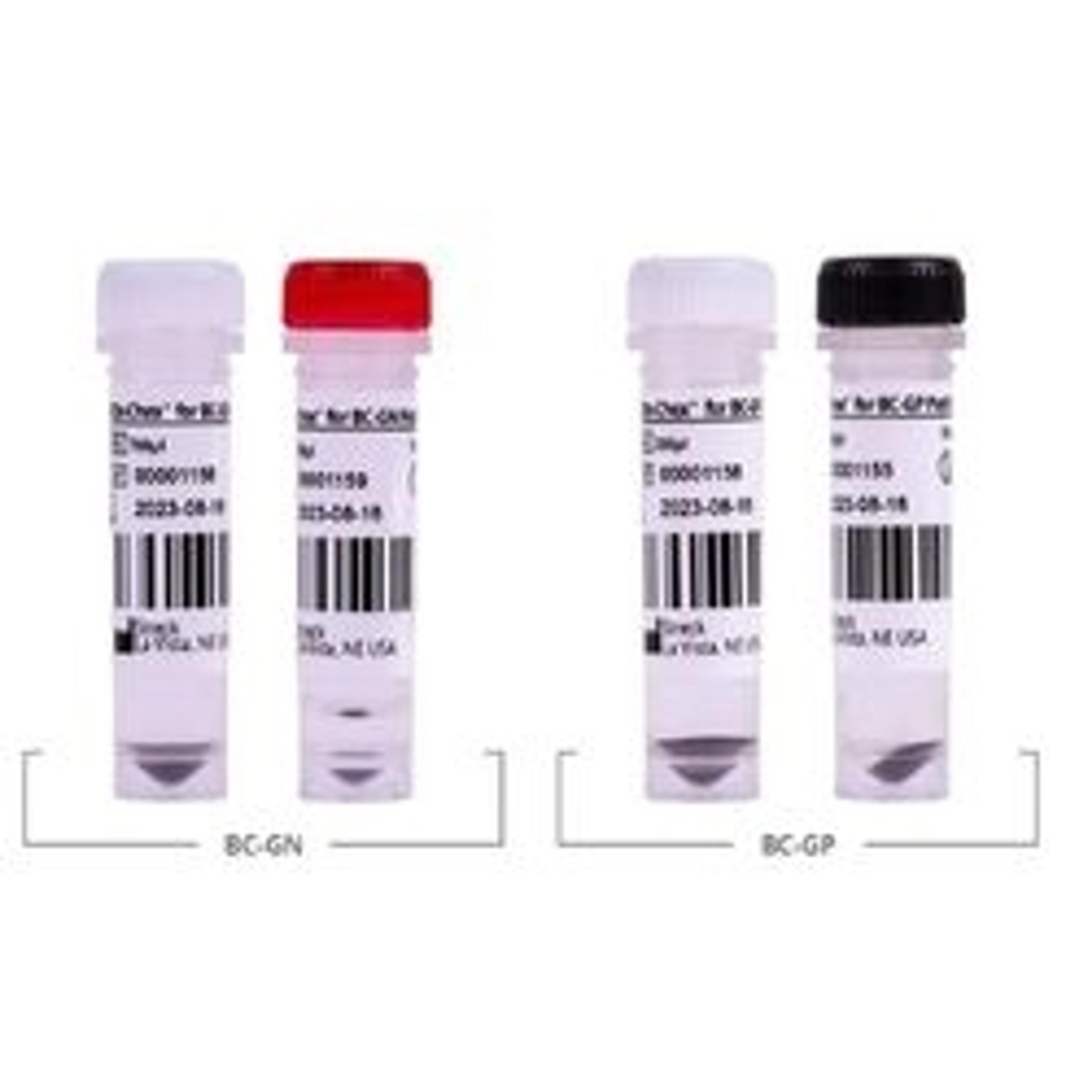
MDx-Chex® for BC-GP and MDx-Chex® BC-GN
StreckMDx-Chex for BC-GP and MDx-Chex for BC-GN are controls designed to evaluate the entire analytical process of the Luminex VERIGENE ® BC-GP and BC-GN Panels for sepsis. With MDx-Chex for BC-GP and MDx-Chex for BC-GN, you can track lot-to-lot performance of the BC-GP and BC-GN assays and reduce the occurrence of incorrect results due to instrument or assay failures.
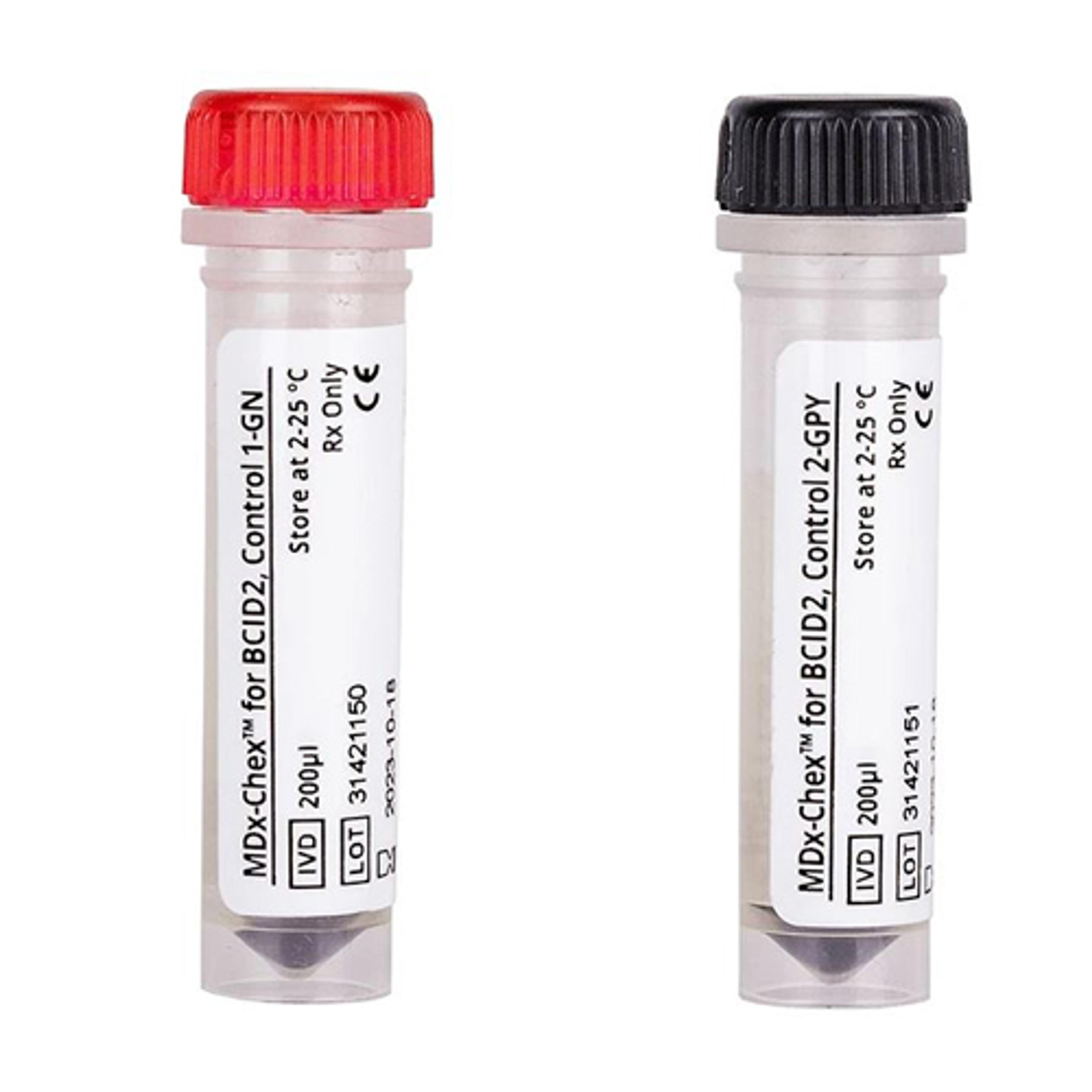
MDx-Chex® for BCID2
StreckMDx-Chex for BCID2 is a first-of-its-kind quality control designed to evaluate the entire analytical process of the BIOFIRE ® Blood Culture Identification 2 (BCID2) Panel for sepsis. With MDx-Chex for BCID2, you can track lot-to-lot performance of the BCID2 assay and reduce the occurrence of incorrect results due to instrument or assay failures.