
LC-MS/MS Analysis of Emerging Food Contaminants
4 Oct 2015Recent findings (in February 2015) of allergens in spices caused the recall of many food products in North America and Europe. The US Food and Drug Administration (FDA) advised people who are highly allergic to peanuts to consider avoiding products that contain ground cumin or cumin powder, because some shipments of these products have tested positive for undeclared peanut protein. This application note presents a method to detect the presence of peanut and almond in spices. Samples were extracted and then the allergenic proteins were reduced, alkylated and digested using trypsin. The extract containing peptides from the digested proteins were filtered and analyzed by LC-MS/MS using a reverse phase chromatography and positive polarity electrospray ionization (ESI).
Related products
Request Quote for All Products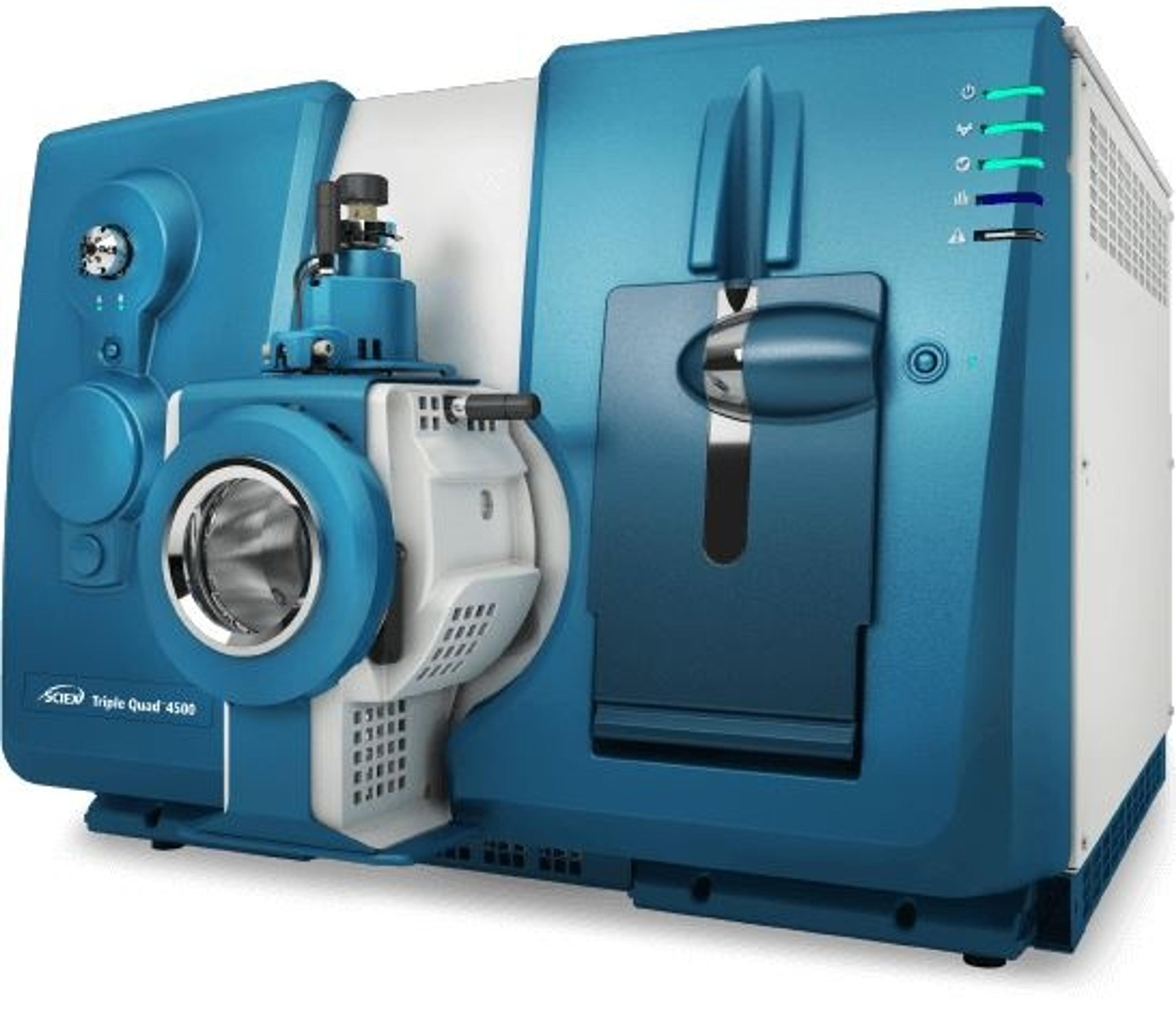
QTRAP 4500 system
SCIEXThe QTRAP 4500 system takes the legendary 4000 QTRAP platform and intelligently re-engineers it to set a new benchmark for reliable quantitation and library searching – with 100-fold more full-scan sensitivity over basic triple quadrupoles in the same class. The LC-MS/MS workhorse is intelligently re-engineered. As one of the only triple quadrupole instruments with optional Linear Accelerator Trap technology, the QTRAP 4500 system enables powerful, unique workflows that deliver a new level of confidence in your data. High-confidence library searching and fast eQ electronics for UHPLC: The 4500 series uses proven eQ electronics delivering polarity switching speeds of 50 msec and scan speeds of 20,000 Da/sec, creating a potent solution for detecting unexpected contaminants. Combined with a single comprehensive library of thousands of QTRAP spectra for library matching, contaminants at the lowest levels can be confidently identified on a UHPLC time scale. Features: Simultaneously quantitate MRMs and perform full scan library searches for non-targeted contaminants. Achieve a 100X increase in full-scan sensitivity over triple quads providing an enhanced level of confidence for forensic toxicology applications. Boost selectivity with quantitative MRM3 workflows – and reduce the need for extensive sample cleanup or labor-intensive chromatography methods. Obtain comprehensive peptide sequence confirmation and simplify MRM assay development for peptide quantitation.