
Insights from over 200 scientists: Overcoming challenges in automated liquid handling
30 Oct 2025
Learn from over 200 scientists across pharma, biotech, and academia about their experiences with automation in liquid handling. Understand the major obstacles labs face, such as script writing, user training, and system flexibility, and discover how Veya®, Tecan's innovative platform, addresses these challenges with its intuitive interface, pre-developed protocols, and comprehensive support.
Get a clear picture of the hurdles in automated liquid handling, explore Veya's unique features like the drag-and-drop interface, OneView™ real-time insights, and vControl™, and see how Veya can increase throughput, reduce errors, and streamline workflows in your lab.
Download this SelectScience infographic now and take the first step towards smarter, more efficient lab automation with Veya.
Resource details:
- Document type: SelectScience infographic
- Page count: 1
- Read time: 2 mins
- Edition: 1st
Related products
Request Quote for All Products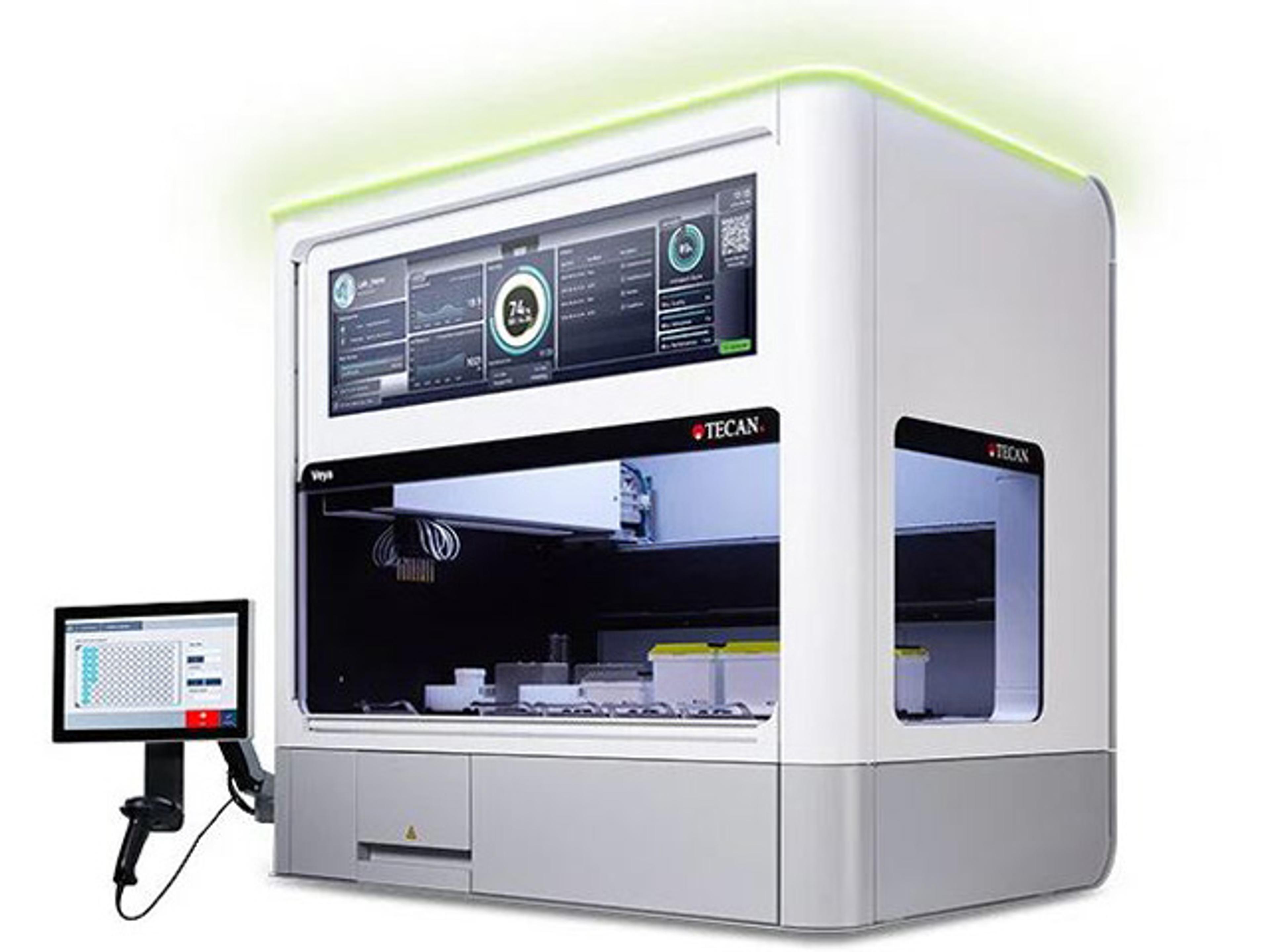
Links
Tags
Frequently asked questions
Show frequently asked questions
What are the biggest challenges in automated liquid handling?
Common challenges include script writing, user training, workflow optimization, system flexibility, and ensuring consistent performance across different applications and users.
How can automated liquid handling improve laboratory productivity?
Automation can help increase throughput, reduce manual errors, improve reproducibility, and free up scientists to focus on higher-value tasks.
Why is user-friendly liquid handling software important?
Intuitive software can reduce the learning curve for new users, simplify method development, and help laboratories accelerate automation adoption.
What should labs consider when implementing liquid handling automation?
Key considerations include workflow requirements, ease of use, scalability, training needs, protocol availability, and integration with existing laboratory processes.
How can liquid handling automation reduce human error?
Automated systems help standardize workflows and reduce the variability associated with manual pipetting, improving consistency and data quality.
What features help simplify automated liquid handling workflows?
Features such as drag-and-drop protocol creation, pre-developed workflows, real-time run monitoring, and centralized system control can help streamline automation.