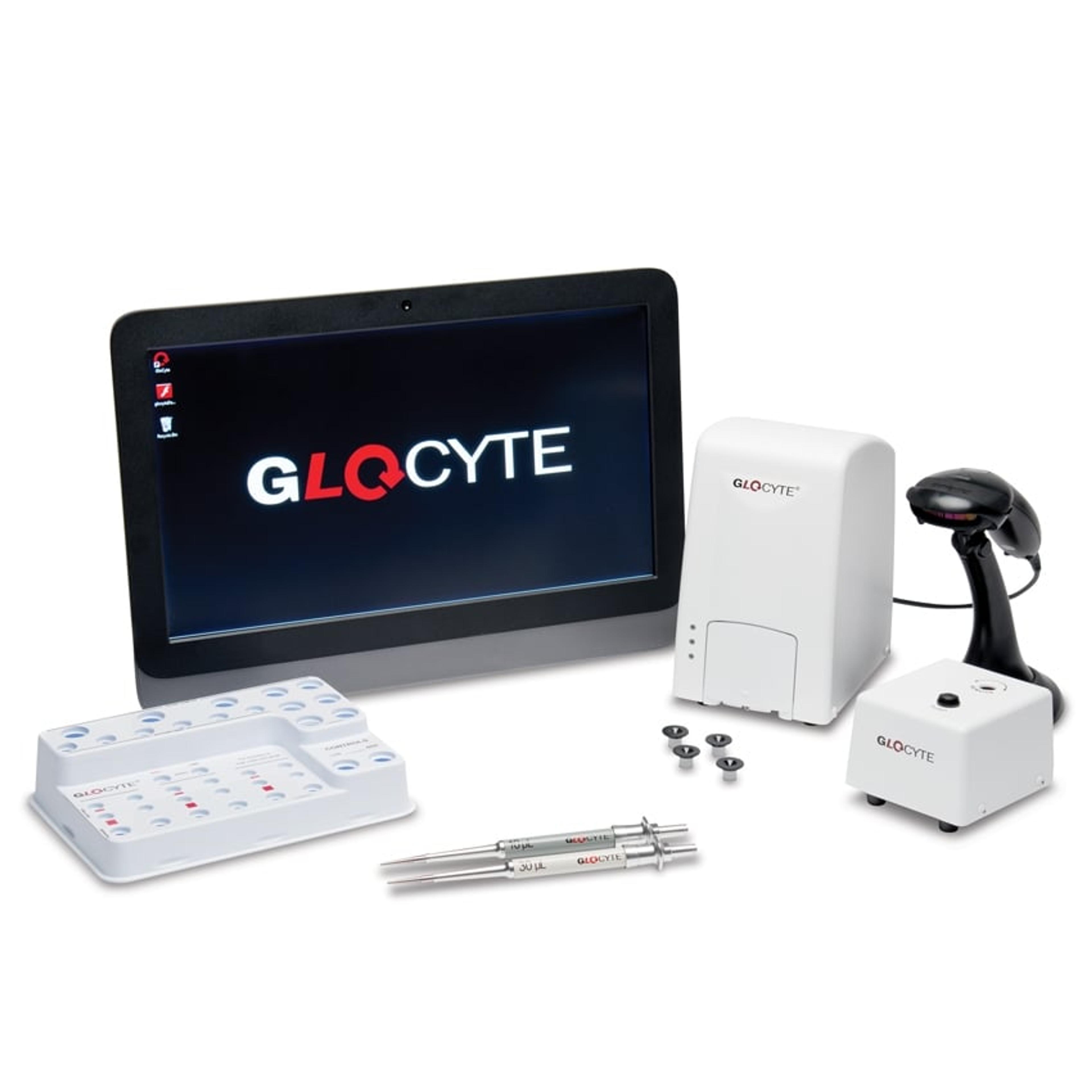
GloCyte automated cell counter helps Sharp HealthCare standardize CSF analysis

21 Apr 2026

Sharp HealthCare implemented the GloCyte® Automated Cell Counter across its hospital network to standardize cerebrospinal fluid (CSF) analysis, replacing manual hemocytometer counts. In this case study, learn how this automation improved turnaround times, accuracy, and laboratory efficiency while supporting consistent, reliable CSF cell counts for critical clinical decision‑making.

GloCyte®Automated Cell Counter for CSF

Nova Biomedical (with Advanced Instruments)

GloCyte is an automated cell counter that delivers accurate and precise total nucleated cell (TNC) and red blood cell (RBC) results at clinically relevant low levels, reducing valuable time spent counting those more difficult specimens. Using a novel combination of fluorescence technology, highly specific reagents, and an intelligent counting algorithm, GloCyte can handle all of the cerebrospinal fluid (CSF) specimens that enter your laboratory. There’s never been a CSF analyzer like this.  

(1)

Links

Tags

Cellular PathologyCellular Pathology deals with the microscopic analysis of tissue samples and cells. Sample preparation and processing includes fixation, staining, sectioning and slide mounting, using equipment such microtomes and cryostats. In choosing immunohistochemistry and immunocytochemistry kits, consider chromogens, staining method, antibodies, microscopes and imaging.Clinical ChemistryBiochemistry (or clinical chemistry) involves the analysis of bodily fluids using chemical tests. Techniques used include HPLC, chromatography, spectroscopy, mass spectrometry, immunochemical, electrophoresis, turbidometric / spectrophotometric assay, MRI and ISE analysis. Tests are often carried out on plasma or serum but urine (urinalysis) and fecal specimens are also processed.Clinical MicrobiologyMicrobiology is the study of microorganisms including protists, prokaryotes, fungi, and, often, viruses. Microorganisms are a useful research tool as genetic vectors and, in immunology, for antibiotic susceptibility testing, cellular biology and genetics. Microorganisms commonly grow readily in incubators with microbial culture media; this can contain chromogenic supplements to differentiate between cell lines. Estimate your culture’s density of microorganisms with colony counters, or screen and select colonies for desirable clones with automated colony pickers. Additionally, equipment is available to monitor environments for the presence of microbes and identify with microbial identification instruments. Find the best microbiology products in our peer-reviewed product directory: compare products, check customer reviews and receive pricing direct from manufacturers.ImmunologyImmunological techniques measure and characterize immune responses. Immunology kits and analysis systems often use techniques such as ELISA, radioimmunoassay (RIA) and immunodiffusion assays, Immunohistochemistry, and flow cytometry. Immunologists use equipment such as flow Cytometers, plate readers, plate washers and fluorescent microscopes.HematologyIn Haematology / Hematology, complete blood cell counts (or full blood counts) are obtained using automated blood count analyzers to enumerate blood cell types.  Hematology also encompasses haemostasis and coagulation, thrombophilia and hemophilia, plasma viscosity and ESR analysis, hemoglobinopathies, cell morphology and haematinic measurement.Cell CountingClinical DiagnosticsClinical Laboratory Automation