Evaluating centrifuge performance to deliver high-quality platelet-poor plasma preparation

20 Jun 2025

Across clinical labs, choosing the right centrifuge is critical to maintaining accuracy during the preanalytic phase. This independent study from Drucker Diagnostics compares two trusted models on their ability to consistently deliver high-quality results for platelet-poor plasma (PPP) preparation, a standard for many diagnostic workflows.

Using clinical samples from 24 donors and FDA-cleared analyzers, the study shows statistically equivalent performance between both centrifuges—backed by data and real-world lab conditions.

What you’ll learn:

  • How centrifuge choice affects plasma separation and sample integrity
  • Which features support consistency and usability in hospital lab environments
  • Why PPP quality matters beyond coagulant testing—for workflow reliability across departments
  • How these models compare in size, speed, safety, and compliance

Whether you're replacing equipment, evaluating new vendors, or standardizing across lab sites, this study offers clear, data-driven insights to guide confident purchasing decisions.

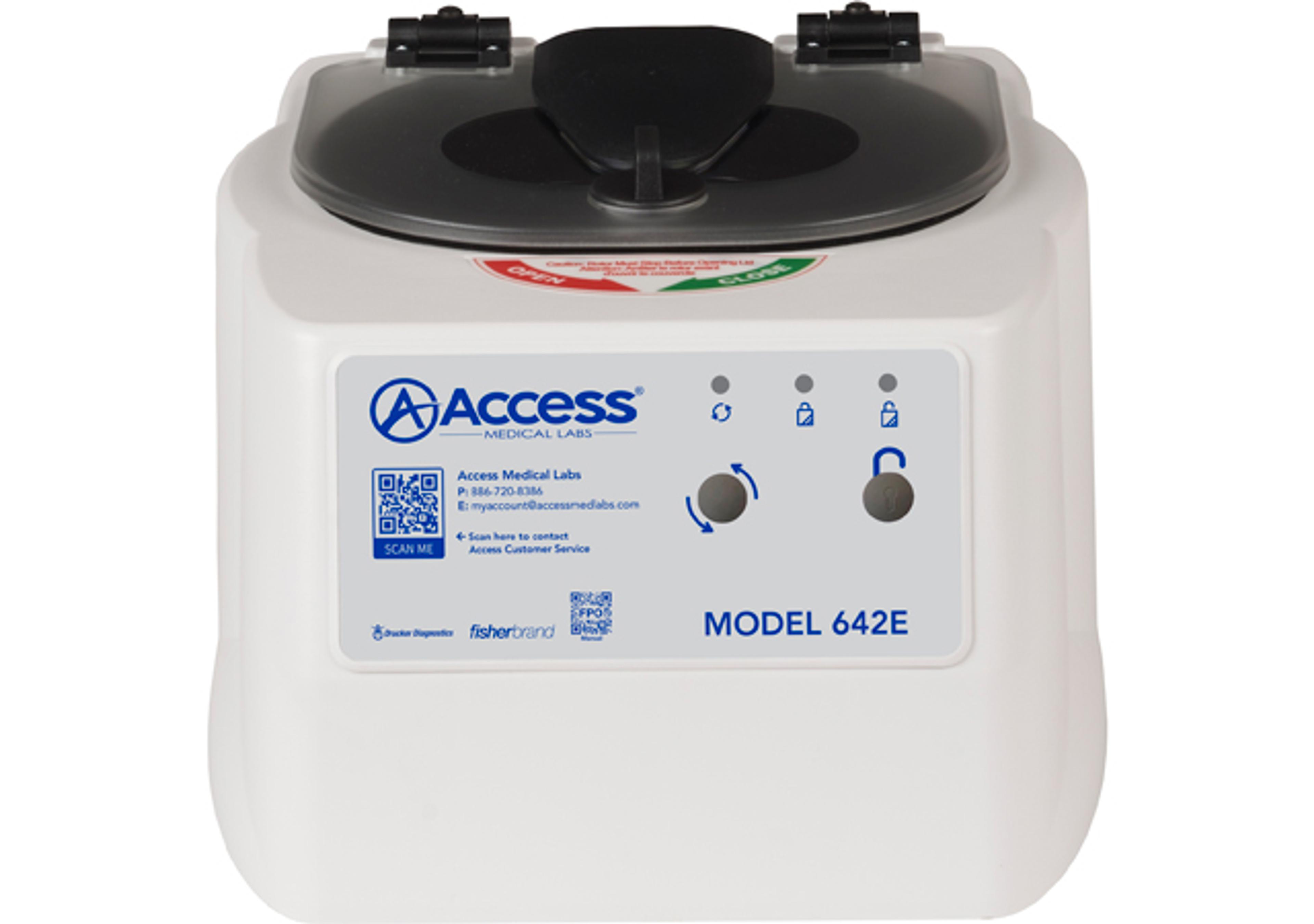
642E

Drucker Diagnostics

Model 642E is a compact single-speed centrifuge designed to provide the ideal pre-analytic sample processing performance recommended by all collection tube manufacturers. Using patented rotor technology, the 642E reduces blood separation processing times by 33% while minimizing use of valuable counter space for the doctor’s office or lab.

(0)

Links

Tags

Clinical ChemistryBiochemistry (or clinical chemistry) involves the analysis of bodily fluids using chemical tests. Techniques used include HPLC, chromatography, spectroscopy, mass spectrometry, immunochemical, electrophoresis, turbidometric / spectrophotometric assay, MRI and ISE analysis. Tests are often carried out on plasma or serum but urine (urinalysis) and fecal specimens are also processed.ImmunologyImmunological techniques measure and characterize immune responses. Immunology kits and analysis systems often use techniques such as ELISA, radioimmunoassay (RIA) and immunodiffusion assays, Immunohistochemistry, and flow cytometry. Immunologists use equipment such as flow Cytometers, plate readers, plate washers and fluorescent microscopes.Cellular PathologyCellular Pathology deals with the microscopic analysis of tissue samples and cells. Sample preparation and processing includes fixation, staining, sectioning and slide mounting, using equipment such microtomes and cryostats. In choosing immunohistochemistry and immunocytochemistry kits, consider chromogens, staining method, antibodies, microscopes and imaging.Clinical GeneticsMolecular Genetics covers the analysis of hereditary genetic disease and chromosomal abnormalities. Genetics can be analysed using DNA, RNA, and protein microarrays, PCR, RT PCR and DNA sequencing. Genetic equipment includes genetic workstations, thermal cyclers, cooling blocks and electrophoresis products. Diagnostic kits are used for DNA / RNA extraction and purification.Centrifuge
Evaluating centrifuge performance for platelet-poor plasma preparation