
Compliance and Workflows: European Water Framework Directive
Compliance and Workflows: European Water Framework Directive
19 May 2016Many chemicals produced by human industrial activities have a negative impact on the aquatic environment, even at extremely low concentrations. To measure such an effect, many environmental chemists aim to develop analytical methodologies that can identify a substance at the intended Environmental Quality Standard (EQS) level in complex environmental matrices, including biota. For this reason, the directive 2013/39/EU introduced in August 2013 provides a strategy to monitor pollution of water and biota for European Union member states. This strategy involves the identification of priority substances that pose a significant risk to the aquatic environment. This guide provides an overview of the different compounds to be monitored as well as potential analysis methods.
Related products
Request Quote for All Products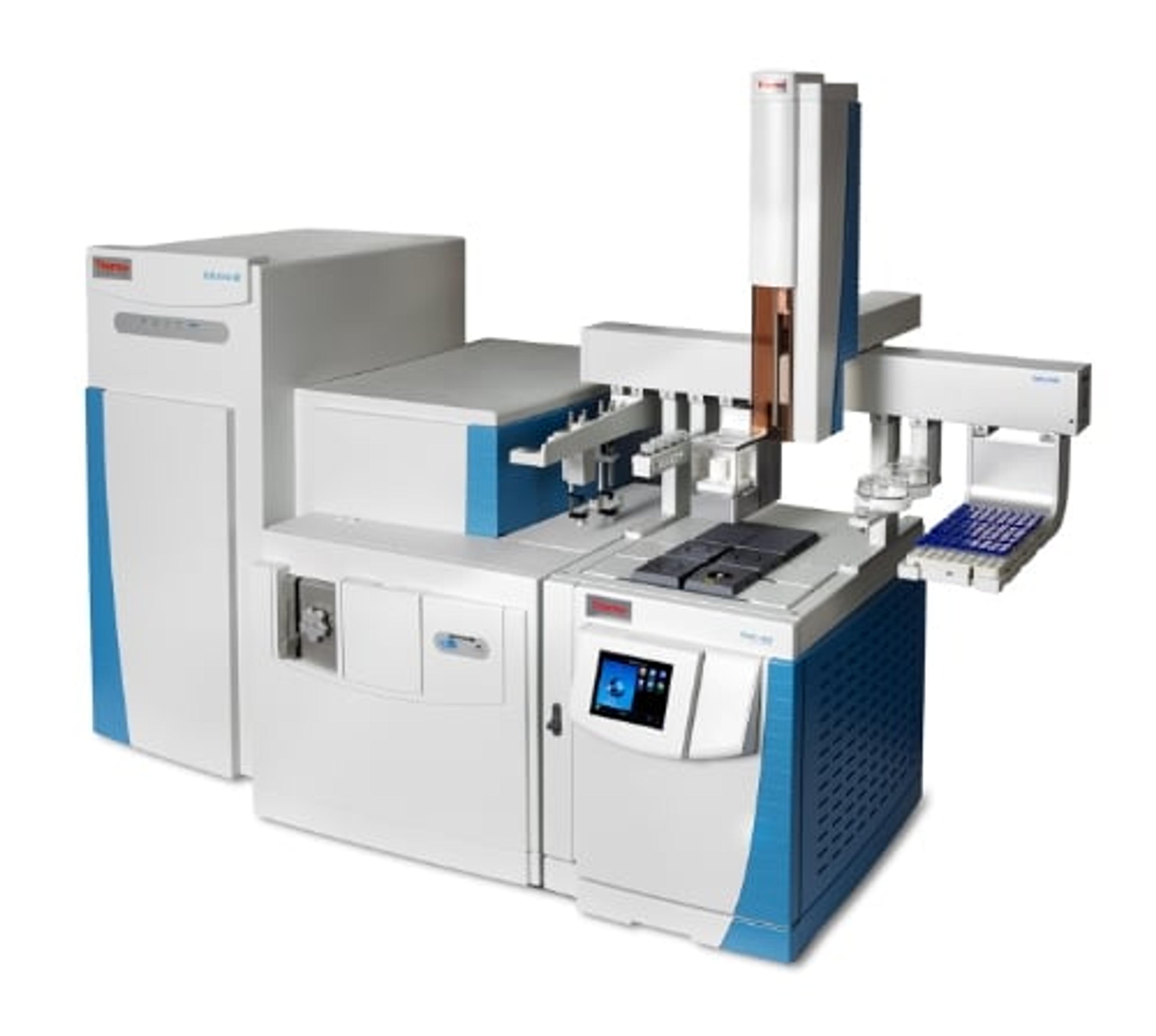
Thermo Scientific™ Q Exactive™ GC Orbitrap™ GC-MS/MS System
Thermo Fisher ScientificThe Thermo Scientific™ Q Exactive™ GC system is the first-ever combination of high resolution gas chromatography with high-resolution/accurate-mass (HR/AM) Orbitrap detection for the most comprehensive sample characterization. This easy-to-use system provides the most comprehensive characterization of samples in a single analysis for the highest confidence in compound discovery, identification, and quantitation. Building upon the flexible modularity of the Thermo Scientific™ TRACE™ 1300 Series GC, including user-exchangeable injectors and detectors, the Q Exactive GC system has the quantitative power of a GC triple quadrupole MS combined with the high precision, full scan high-resolution/accurate-mass capability that only Orbitrap technology can offer. Key Features: Advanced quadrupole technology (AQT) for high transmission of selected masses Resolving power up to 120,000 at m/z 200 Part-per-trillion-level sensitivity Thermo Scientific™ Extractabrite™ ion source for robust, rugged electron impact (EI) and chemical ionization (CI) performance Curved linear C-trap for precise ion injection HCD collision cell for higher energy collisional dissociation provides MS/MS ion characterization Intelligent identification software elucidates the nature of each injected sample. Applications: Untargeted and targeted metabolomics Food and beverage Industrial analyses Environmental Pharmaceutical Clinical and toxicology
Thermo Scientific™ Chromeleon™ 7.3.2 Chromatography Data System (CDS)
Thermo Fisher ScientificBuilt for Stability. Built for Performance. Why Compromise? Deliver efficiency, assurance and compliance with one software platform that integrates seamlessly with your laboratory's IT infrastructure now and the future.
Thermo Scientific™ Chromeleon™ 7.3.2 Chromatography Data System (CDS)
Thermo Fisher ScientificBuilt for Stability. Built for Performance. Why Compromise? Deliver efficiency, assurance and compliance with one software platform that integrates seamlessly with your laboratory's IT infrastructure now and the future.